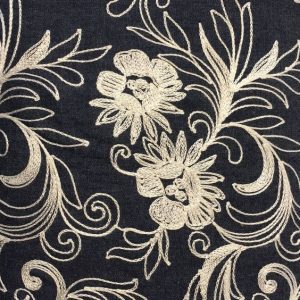
Tela de cambray

  • Hecho de poliéster, nailon y algodón reciclados.
  • Plazo de entrega más corto
  • Excelentes precios

Tela de cambray hecha a medida a granel a precio mayorista de los fabricantes

Custom-Made Chambray Fabric in Bulk at Wholesale Prices

Chambray Fabric Wholesale Supplier in China

Chambray is a fine, dense plain-weave fabric known for its lightweight construction, breathability, smooth surface, and softly mottled appearance. Traditional chambray is typically made from 100% cotton, although linen, silk, polyester, nylon, recycled polyester, and blended-fiber constructions may also be used.

The classic chambray effect is created by combining a solid-colored warp with an undyed or differently colored weft. This construction gives the fabric its characteristic heathered appearance and subtle visual texture.

FabricsTrades supplies custom-made chambray fabric for wholesale apparel, accessory, footwear, and home-textile programs. Located in the heart of Wujiang District, Suzhou, we operate at the center of one of the world’s most concentrated textile manufacturing hubs. We are not limited to the capabilities of a single mill: while our own manufacturing expertise includes 4-way stretch fabrics, our proximity to thousands of specialized factories allows us to act as a strategic sourcing partner. If a fabric exists, we can help find it. If it does not, we can help develop it.

¿Qué es la tela Chambray?

The word “chambray” evolved from “cambric,” a name associated with fabrics produced around Cambrai, France. The term cambric was in use by 1530, while its French synonym, batiste, became prominent around 1590. Historically, cambric or batiste referred to a white linen cloth, although silk versions were also produced.

Chambray emerged as a distinct fabric designation in the mid-1800s. In modern textile terminology, it generally describes a lightweight plain-weave fabric—most commonly cotton—woven with contrasting warp and weft yarns.

Chambray is sometimes mistaken for denim because both fabrics can combine colored and undyed yarns. Their structures are different, however: chambray uses a plain weave, while denim typically uses a twill weave. Consequently, chambray is generally lighter, smoother, more breathable, and more flexible in drape than conventional denim.

Reglamento de Tejidos 2024-2026 & Actualización de cumplimiento

Chambray intended for apparel sold in the European Union is increasingly affected by the Ecodesign for Sustainable Products Regulation framework. Textiles, with an initial focus on apparel, are included among the priority product groups in the EU’s 2025-2030 ESPR working plan. Future textile-specific measures are expected to address product sustainability and information requirements, including the Digital Product Passport. Brands sourcing chambray should begin organizing verifiable data on fiber composition, recycled content, supplier identity, processing history, durability, care, and relevant chemical compliance. Requirements will depend on the final delegated acts and the finished product placed on the market; the fabric itself should not be described as “ESPR compliant” without a documented, product-specific assessment.

Read the FabricsTrades supply-chain overview:
https://fabricstrades.com/insight/espr-and-digital-product-passport-for-chinese-fabric-supply-chains/

For multi-market programs, buyers should also review the broader 2024-2026 textile compliance landscape. Relevant obligations can vary according to fiber content, finishing chemistry, product category, consumer age group, labeling, packaging, and destination country. A practical compliance file may include an accurate composition declaration, restricted-substance test reports, traceability records, recycled-content evidence where claimed, care-label information, and supporting certification documents.

Review the global update:
https://fabricstrades.com/insight/fabric-regulations-of-the-20242026-global-textile-compliance/

Compliance is not automatic and should be confirmed against the final chambray specification, applied treatments, finished-product design, and current destination-market rules.

Why Choose FabricsTrades for Chambray Fabric?

Strategic Sourcing from China’s Textile Hub

Located in the heart of Wujiang District, Suzhou, FabricsTrades operates within one of the world’s most concentrated textile manufacturing hubs. We are more than a fabric manufacturer—we are your strategic sourcing partner. While conventional suppliers are limited by their own looms, our proximity to thousands of specialized mills gives us access to a much broader range of yarns, constructions, dyeing processes, and finishing technologies. If the chambray fabric you need already exists, we can source it. If it does not, we can help you develop it.

Custom Chambray Development

We can source or develop chambray according to your target:
  • Composición de fibra
  • Peso de la tela y ancho útil.
  • Yarn count and weave density
  • Color and heathered appearance
  • Hand feel and drape
  • Requisitos de contracción y solidez del color.
  • Recycled-fiber content
  • Mechanical or chemical finishes
  • Estándares de desempeño de uso final
Development can begin with a technical specification, color standard, garment reference, or physical fabric swatch.

Flexible Fiber and Construction Options

Our sourcing network supports cotton chambray as well as cotton-linen, cotton-polyester, recycled-polyester, nylon, and other blended constructions. This flexibility helps buyers balance comfort, durability, appearance, care performance, sustainability objectives, and target cost.

Faster Development and Shorter Lead Times

Direct access to specialized weaving, dyeing, finishing, testing, and garment-production resources helps simplify supplier identification and reduce unnecessary development delays. We coordinate the process from fabric matching and sampling through bulk production and repeat-order sourcing.

Soporte de calidad y cumplimiento

Chambray specifications can be developed around the requirements of the finished product and destination market. Depending on the project, buyers may request fiber-composition documentation, dimensional-stability testing, colorfastness testing, restricted-substance reports, recycled-content evidence, certification records, and supply-chain traceability information.

Precios competitivos al por mayor

Our location and supplier network allow us to compare suitable production routes and identify the right manufacturing resource for each specification. This helps buyers achieve competitive wholesale pricing without relying on a single mill’s limited equipment or material range.

Chambray Fabric Use Cases

Chambray combines a denim-inspired appearance with a lighter weight, smoother surface, and more breathable plain-weave construction. Its versatility makes it suitable for apparel, uniforms, accessories, footwear, and selected home-textile applications.

Camisas y Blusas

Chambray is widely used for men’s, women’s, and children’s shirts because it offers a casual woven appearance without the bulk of traditional denim. Specific applications include:
  • Button-down shirts
  • Western-inspired shirts
  • Camp-collar shirts
  • Popover shirts
  • Tunics and longline blouses
  • Uniform shirts
  • Maternity blouses
  • Lightweight overshirts
  • Transitional shackets
Cotton-rich chambray provides breathability and a natural hand feel, while blended constructions may offer improved dimensional stability, wrinkle recovery, and faster drying.

Vestidos y Faldas

The fabric’s lightweight structure and soft drape make it appropriate for:
  • Shirt dresses
  • Wrap dresses
  • Tiered summer dresses
  • Sundresses
  • Pinafore dresses
  • Utility dresses
  • Gathered skirts
  • A-line skirts
  • Casual officewear
  • Resort and vacation collections
Lighter constructions work well for flowing silhouettes, while denser chambray can support garments requiring more shape and coverage.

Trousers and Shorts

Chambray can provide the visual character of denim in lighter, more comfortable bottoms, including:
  • Drawstring trousers
  • Relaxed-fit pants
  • Culottes
  • Walking shorts
  • Summer tailoring
  • Children’s trousers
  • Elastic-waist bottoms
  • Lightweight workwear-inspired pants
  • Travel and leisure garments
Garment developers should confirm tensile strength, seam performance, shrinkage, opacity, and abrasion resistance for the intended construction.

Jumpsuits and One-Piece Garments

Chambray is well suited to modern one-piece silhouettes such as:
  • Utility jumpsuits
  • Boilersuits
  • Rompers
  • Playsuits
  • Apron dresses
  • Mechanic-inspired fashion garments
  • Maternity jumpsuits
  • Children’s overalls
Its combination of casual texture, manageable weight, and comfortable drape supports both relaxed and structured designs.

Lightweight Jackets and Layering Pieces

Denser chambray constructions can be used for:
  • Chore-inspired jackets
  • Unlined summer jackets
  • Casual overshirts
  • Lightweight field jackets
  • Uniform layering pieces
  • Packable travel jackets
  • Denim-look transitional outerwear
Interlining, garment washing, coating, or other finishing options may be considered when additional structure or surface performance is required.

Babywear and Children’s Apparel

Soft chambray fabrics can be used for:
  • Baby rompers
  • Children’s shirts
  • Vestidos y faldas
  • Bloomers
  • Overalls
  • Sun hats
  • Coordinated family apparel
Fabric intended for babies or children should be evaluated against the applicable chemical, mechanical, labeling, and product-safety requirements of the destination market.

Hospitality, Retail, and Lifestyle Uniforms

Chambray’s clean but approachable appearance makes it suitable for customer-facing uniforms, including:
  • Café and restaurant shirts
  • Barista and chef aprons
  • Boutique-hotel uniforms
  • Retail staff apparel
  • Salon and spa garments
  • Event and promotional uniforms
  • Artisan and workshop aprons
  • Casual corporate workwear
Blended constructions may be selected where repeated laundering, dimensional stability, and easier maintenance are priorities.

Calzado

Chambray can be applied to fabric-topped footwear such as:
  • Espadrille uppers
  • Casual sneakers
  • Slip-on shoes
  • Summer flats
  • Children’s footwear
  • Indoor lifestyle shoes
Footwear applications may require backing, lamination, reinforcement, abrasion testing, colorfastness testing, and adhesive-compatibility evaluation.

Fashion and Lifestyle Accessories

Chambray can extend a coordinated apparel collection into:
  • Bolsas de mano
  • Pouches
  • Bufandas
  • Bucket hats
  • Baseball caps
  • Headbands
  • Cinturones
  • Fabric jewelry
  • Organizadores de viajes
  • Aprons and kitchen accessories
Structural accessories may require lining, interlining, coating, or lamination to improve shape retention and durability.

Textiles para el hogar

Chambray’s subtle two-tone appearance also works in casual and contemporary interiors. Applications include:
  • Sábanas
  • Pillowcases
  • Duvet covers
  • Lightweight curtains
  • Fundas de cojines decorativas
  • Tablecloths
  • Napkins
  • Kitchen textiles
  • Slipcovers
  • Selected upholstery
Upholstery applications should use an appropriate construction and be validated for abrasion resistance, pilling, seam strength, dimensional stability, and light or rubbing colorfastness.

Sustainable and Circular Collections

Chambray made with recycled polyester, organic natural fibers, or other responsibly sourced materials may support sustainability-focused product lines. Potential applications include:
  • Recycled-fiber apparel capsules
  • Traceable uniform programs
  • Eco-conscious resort collections
  • Repairable workwear-inspired garments
  • Upcycled accessories
  • Coordinated apparel and home-textile ranges
Any environmental or recycled-content claim should be supported by documentation applicable to the specific material, production batch, and supply chain.

Chambray Fabric Composition and Construction

Chambray fabric may be produced from:
  • 100% cotton
  • Cotton-linen blends
  • Cotton-polyester blends
  • Poliéster reciclado
  • Nylon
  • Cotton blended with other fibers
  • Specialty linen or silk constructions
A typical chambray construction uses a dyed warp yarn and an undyed or differently colored weft yarn. The plain-weave interlacing creates a balanced surface with a subtle cross-color effect. Fiber composition directly affects performance. Cotton constructions emphasize breathability and natural hand feel. Linen blends can add a drier touch and more pronounced texture. Polyester or recycled-polyester blends may improve dimensional stability, drying performance, and ease of care. Nylon-containing constructions can be selected when greater toughness or abrasion resistance is required. Final specifications should always be confirmed through an approved sample and technical data sheet because weight, shrinkage, colorfastness, hand feel, and care requirements vary by fiber blend, yarn count, dyeing process, and finishing treatment.

Chambray Fabric Properties

Ligero y transpirable

Chambray is generally lightweight and comfortable in warm conditions. Its plain-weave construction supports airflow, making it well suited to summer garments and trans-seasonal layering pieces.

Soft Drape

The fabric falls naturally and can be used for relaxed silhouettes, flowing garments, and softly structured apparel.

Smooth, Subtly Textured Surface

Chambray has a smooth, sometimes almost silky touch, combined with a fine visual texture created by its contrasting yarns.

Denim-Like Appearance with Less Weight

Chambray can deliver a casual, denim-inspired aesthetic without the bulk and rigidity of many denim fabrics.

Versatile Fiber Options

Chambray can be developed in cotton, linen, silk, polyester, nylon, recycled polyester, or blended constructions, depending on the desired hand feel, durability, care performance, and price point.

Potential Wrinkling

Chambray—particularly cotton- and linen-rich versions—can wrinkle relatively easily and may require ironing or steaming.

What Is Chambray Fabric Used For?

Chambray works across casual, contemporary, workwear-inspired, resort, and lifestyle product categories.

Camisas y Blusas

Chambray is widely used for men’s, women’s, and children’s button-down shirts. Suitable applications include Western-inspired shirts, uniform overshirts, camp-collar shirts, popovers, tunics, maternity blouses, and lightweight shackets.

Vestidos y Faldas

Its light weight and soft drape make chambray appropriate for shirt dresses, sundresses, tiered dresses, wrap dresses, pinafores, gathered skirts, and casual officewear.

Trousers and Shorts

Chambray can be used for relaxed trousers, drawstring pants, culottes, walking shorts, children’s bottoms, and lightweight workwear-inspired garments where a denim look is desired without denim weight.

Jumpsuits and One-Piece Garments

Modern applications include utility jumpsuits, boilersuits, rompers, playsuits, apron dresses, and travel-oriented one-piece garments.

Lightweight Jackets and Layering Pieces

Chambray is suitable for unlined overshirts, chore-inspired jackets, summer jackets, packable layers, and lightweight uniform garments.

Calzado y Accesorios

The fabric may be used for fabric-topped shoes, espadrille uppers, casual sneakers, hats, scarves, tote bags, pouches, aprons, and coordinated lifestyle accessories. Product developers should specify suitable backing, lamination, or reinforcement when structural performance is required.

Children’s and Babywear

Soft chambray constructions can be considered for children’s shirts, dresses, rompers, bloomers, and coordinated family apparel. Applicable chemical, mechanical, labeling, and children’s-product requirements must be confirmed for the destination market.

Hospitality and Lifestyle Uniforms

Chambray’s approachable appearance makes it useful for café aprons, restaurant shirts, boutique-hotel uniforms, retail staff apparel, salon garments, and other customer-facing workwear.

Textiles para el hogar

Chambray can also be used for bed sheets, pillow covers, duvet covers, lightweight curtains, table linens, decorative cushions, and selected upholstery applications. Upholstery suitability should be validated against the required abrasion, seam, pilling, and colorfastness performance.

How to Care for Chambray Fabric

Always follow the care label supplied for the finished product because requirements vary by fiber composition and finish.
  1. Lea la etiqueta de cuidado. Confirm the recommended water temperature, wash cycle, drying method, and ironing temperature.
  2. Wash in cold water. Cold washing helps reduce the risk of shrinkage and color loss.
  3. Utilice un detergente suave. Avoid aggressive detergents unless they have been validated for the specific fabric.
  4. Do not use bleach. Bleach can weaken fibers and damage the fabric’s color.
  5. Tumble dry on low heat. Remove the item promptly to reduce wrinkling.
  6. Iron on a low setting. Excessive heat may scorch the fabric or damage heat-sensitive fibers.
  7. Treat stains promptly. Gently blot stains with an appropriate stain remover or mild detergent before washing.
Bulk buyers should request shrinkage, dimensional-stability, and colorfastness testing before confirming garment care instructions.

Chambray Fabric Sustainability and Responsible Sourcing

The environmental profile of chambray depends on its fiber composition, raw-material origin, dyeing method, finishing chemistry, energy use, water management, durability, and end-of-life pathway. Potential sourcing options may include organic natural fibers, recycled polyester, recycled or upcycled inputs, lower-impact dyes, renewable-energy-supported manufacturing, and processes designed to reduce water or chemical consumption. Programs requiring sustainability claims should define the necessary certification, transaction documentation, chain of custody, recycled-content evidence, and test reports at the beginning of sourcing. Certifications or programs such as GOTS, Better Cotton, or other applicable standards should only be claimed when the specific material and supply chain are appropriately certified. Durability is also important. Designing garments for repeated wear, repair, reuse, recycling, or upcycling can extend product life and reduce premature disposal.

Why Source Chambray Through FabricsTrades?

FabricsTrades combines manufacturing knowledge with access to the broader Wujiang and Suzhou textile supply ecosystem. This enables us to support buyers that need more than an off-the-shelf fabric. Our sourcing and development capabilities can support:
  • Cotton, blended-fiber, and recycled-fiber chambray inquiries
  • Custom composition, color, hand feel, and finish development
  • Fabric matching based on a physical reference sample
  • Performance testing coordinated to buyer requirements
  • Bulk production and repeat-order sourcing
  • Documentation requirements for destination-market compliance
  • Consolidated sourcing across related textile categories
  • Faster mill identification and shorter development paths
For an accurate quotation, provide the intended application, fiber composition, target weight, color standard, usable width, finishing requirements, test standards, order quantity, destination market, and required delivery date.

Chambray Fabric FAQ

¿Es lo mismo cambray que mezclilla?

No. Chambray is generally woven in a plain-weave structure, while denim is normally a twill fabric. Chambray is typically lighter, smoother, and more breathable, although both can use a colored warp and contrasting weft to create a similar visual character.

Is chambray always made from 100% cotton?

No. Traditional chambray is commonly made from cotton, but linen, silk, polyester, nylon, recycled polyester, and blended-fiber versions can also be produced. The correct composition depends on the required hand feel, durability, care performance, sustainability target, and price.

Can FabricsTrades develop custom chambray fabric?

Yes. Development can be based on a reference sample or a specification covering composition, weight, width, color, hand feel, finishing, performance requirements, order quantity, and intended application. Final availability and production conditions are confirmed during sampling and quotation.

What information is needed for a wholesale chambray quotation?

Provide the intended product, fiber composition, target fabric weight, usable width, color or color standard, finish, performance tests, estimated order quantity, destination market, certification requirements, and delivery schedule. A physical swatch is helpful when matching an existing fabric.

¿El cambray es adecuado para la ropa de verano?

Chambray is commonly selected for summer clothing because it is generally lightweight and breathable. However, comfort depends on the exact weight, fiber blend, weave density, finish, garment construction, and climatic conditions.

¿Qué documentos de cumplimiento pueden solicitar los compradores?

Depending on the material and market, buyers may request composition information, restricted-substance testing, colorfastness and dimensional-stability results, recycled-content documentation, certification records, supplier traceability data, and other product-specific evidence. Required documentation should be agreed before sampling or bulk production.