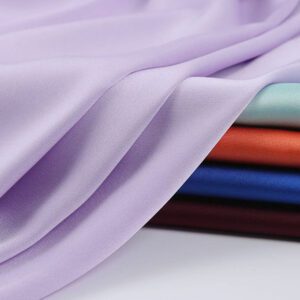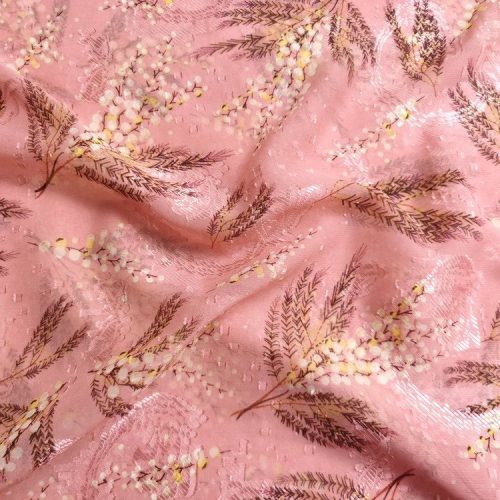
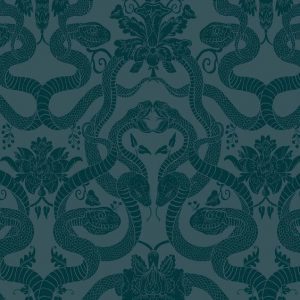
Tela jacquard

  • Hecho de poliéster, nailon y algodón reciclados.
  • Plazo de entrega más corto
  • Excelentes precios

Custom-Made Jacquard Fabric in Bulk at Wholesale Prices

Source woven and knitted jacquard fabrics for fashion, accessories, interiors and performance applications. FabricsTrades supports custom patterns, fiber selection, color development, finishing and bulk production for brands, garment factories, importers and textile wholesalers.

Located in the heart of Wujiang District, Suzhou, we operate at the center of one of the world’s most concentrated textile manufacturing hubs. We are more than a fabric manufacturer: we are a strategic sourcing partner. While many suppliers are limited to their own looms, our proximity to thousands of specialized weaving, knitting, dyeing and finishing facilities gives buyers access to a much broader production network. If a suitable jacquard fabric already exists, we can source it. If it does not, we can help develop it.

What Is Jacquard Fabric?

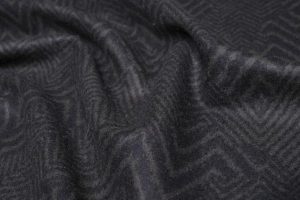
Jacquard is a fabric construction in which the pattern is woven or knitted directly into the material rather than printed onto its surface. “Jacquard” therefore describes a method of fabric formation, not a single fiber or composition.

Jacquard fabrics can be produced from cotton, wool, linen, silk, viscose, polyester, nylon and blended yarns. Depending on the yarn, construction and finishing process, the resulting material may be lightweight and fluid, dense and structured, smooth and lustrous, or textured with a pronounced three-dimensional surface.

Because the motif is built into the fabric structure, jacquard can provide greater visual depth and longer-lasting pattern definition than many surface-printing methods. It is widely used for apparel, upholstery, bedding, window treatments, accessories and decorative textiles.

Reglamento sobre tejidos 2024-2026 & Actualización de cumplimiento

Jacquard is a construction category rather than a fixed chemical composition, so compliance depends on the selected fibers, dyes, auxiliaries, finishes and final product market. Buyers should maintain traceable composition data, supplier declarations, relevant test reports and processing records for every production lot.

The EU Ecodesign for Sustainable Products Regulation entered into force in 2024 and establishes the framework for product-specific ecodesign rules and Digital Product Passports. Textiles and apparel are included in the European Commission’s first ESPR Working Plan. Jacquard programs intended for the EU should therefore be prepared to document fiber composition, recycled-content claims, substances of concern, manufacturing stages and chain-of-custody information. See: ESPR & Pasaporte de producto digital.

Requirements also vary by destination and end use. A practical compliance program should map the jacquard’s composition and finishes against current chemical restrictions, labeling obligations, product-safety rules and customer restricted-substances lists. Particular attention is required when water-, oil- or stain-repellent chemistry is specified, because PFAS restrictions are expanding across major markets. See: Guía de cumplimiento textil global 2024-2026.

Certification or a general supplier declaration does not automatically prove that every shipment complies. The appropriate evidence package should be defined according to the destination market, product category, finish and buyer requirements, with testing performed by a qualified laboratory when necessary.

Why Source Jacquard Fabric Through FabricsTrades?

FabricsTrades combines manufacturing knowledge with the sourcing reach of the Wujiang textile cluster. Our location provides access to specialized Jacquard weaving, knitting, yarn, dyeing and finishing resources that would be difficult for an overseas buyer to coordinate independently.

We can support buyers with:

  • Existing-fabric sourcing
  • Custom pattern and color development
  • Fiber and yarn alternatives
  • Opciones de poliéster, nailon y algodón reciclados.
  • Stretch jacquard development
  • Coordinación de muestras y producción a granel.
  • Teñido y acabado
  • Performance and compliance testing coordination
  • Quality inspection
  • Export documentation and shipment preparation

Top 20 Jacquard fabric manufacturers in the USA(2023 updated)

Principales fabricantes de tejidos Jacquard en España (2023 actualizado)

Why Choose Us for Jacquard Fabric?

Custom Jacquard Development

We help develop exclusive woven or knitted patterns based on your artwork, target composition, weight, width, color and end-use requirements.

Access to Suzhou’s Textile Hub

Located in Wujiang District, Suzhou, we work with a strong network of specialized weaving, knitting, dyeing and finishing facilities. If a suitable jacquard exists, we can source it; if not, we can help create it.

Wide Material Selection

Choose from cotton, polyester, nylon, viscose and blended jacquards, including recycled options and stretch constructions for apparel, accessories and interior textiles.

Control de calidad confiable

We inspect pattern definition, repeat accuracy, shade consistency, fabric weight, usable width and visible weaving defects. End-use testing can also be coordinated when required.

Soporte de abastecimiento flexible

From fabric matching and sample development to bulk production and export coordination, our team provides one point of contact throughout the sourcing process.

Competitive Pricing and Lead Times

Our manufacturing knowledge and access to nearby specialist suppliers help us identify practical production routes, competitive quotations and efficient delivery schedules.

Aplicaciones y casos de uso modernos

Fashion and Tailored Apparel

Jacquard is suitable for cocktail dresses, occasionwear, structured skirts, cropped jackets, blazers, waistcoats, formal trousers and fashion coats. Brocade, damask and cloqué constructions can create visual interest without relying on additional printing or embroidery. Design teams can use engineered placement motifs, tonal geometric repeats, botanical patterns, metallic-effect yarns or contrasting matte-and-luster structures to differentiate capsule collections.

Stretch and Performance Apparel

Jacquard knit structures can create ventilation zones, body-mapped textures and decorative compression effects in sports bras, leggings, cycling apparel, seamless tops and training layers. Development must account for stretch recovery, pattern distortion, abrasion, opacity and dimensional stability.

Accessories and Footwear

Dense jacquards can be developed for handbags, structured totes, cosmetic cases, belts, shoe uppers, decorative straps and luggage panels. Buyers should specify abrasion resistance, seam slippage, backing requirements and coating compatibility according to the product construction.

Tapicería e Interiores Contract

Heavier tapestry, damask and brocatelle jacquards are used for sofas, accent chairs, cushions, banquettes, headboards and decorative wall panels. Hospitality and commercial projects may require additional testing for abrasion, seam performance, colorfastness, flammability and cleaning resistance.

Ropa de cama y textiles decorativos para el hogar

Matelassé and cotton jacquards are suitable for coverlets, duvet fronts, pillow shams, bed runners, table linens and decorative cushions. Pattern scale should be coordinated with finished-item dimensions so the design remains balanced after cutting and sewing.

Curtains and Window Treatments

Jacquard constructions can add depth to curtains, valances, Roman shades and decorative panels. Depending on the installation, buyers may need to evaluate drape, light transmission, dimensional stability, lining compatibility and resistance to fading.

Branded and Bespoke Textiles

Computer-controlled patterning makes jacquard useful for woven logos, monograms, heritage motifs and exclusive brand repeats. Applications include hotel textiles, premium packaging fabrics, limited-edition fashion, corporate interiors and private-label accessories.

Custom Jacquard Fabric Development

A complete sourcing brief should identify:
  • Intended product and end-use market
  • Construcción tejida o de punto
  • Preferred fiber composition
  • Peso objetivo y ancho útil
  • Pattern artwork and repeat dimensions
  • Color standards or physical color references
  • Required stretch, recovery and hand feel
  • Face and reverse appearance
  • Requisitos de acabado
  • Physical and chemical testing standards
  • Cantidad de muestra, volumen a granel y calendario de entrega
For custom developments, pattern complexity, yarn availability, loom setup and finishing requirements can affect sampling time, minimum order quantity and bulk pricing. Providing clear artwork and measurable performance targets at the beginning of the project helps reduce unnecessary sampling rounds.

Quality Control for Jacquard Fabric

Jacquard inspection should cover more than color and general appearance. Depending on the intended application, quality control may include:
  • Pattern-repeat accuracy
  • Motif alignment and definition
  • Missing, broken or floating yarns
  • Bowing and skew
  • Shade variation between rolls
  • Peso de la tela y ancho útil.
  • Tensile or bursting strength
  • Deslizamiento de costura
  • Resistencia al pilling y a la abrasión
  • Estabilidad dimensional
  • Colorfastness to washing, rubbing and light
  • Stretch and recovery for elastic constructions
  • Restricted-substance and finish verification
Testing requirements should be agreed before bulk production because an apparel jacquard, an upholstery jacquard and a stretch jacquard may require substantially different performance criteria.

Cuidado y mantenimiento

Always follow the care instructions supplied for the specific composition and finish.
  • Avoid harsh chemicals or chlorine bleach unless expressly permitted.
  • Use an appropriate mild detergent for washable articles.
  • Do not wring delicate or dimensionally structured jacquards.
  • Dry flat when required to preserve shape and surface texture.
  • Protect colored fabrics from prolonged direct sunlight.
  • Store material in a cool, dry environment.
  • Use professional dry cleaning when specified for delicate, structured or specialty-finished products.

Jacquard Fabric Advantages and Properties

Ventajas

  • Hecho de poliéster, nailon y algodones reciclados.
  • Plazo de entrega más corto
  • Excelentes precios
  • Muy duradero
  • Highly resistant to fading
  • resistente a las arrugas
  • Decorative appearance
  • Bello y agradable al tacto.
Jacquard performance depends on its fiber composition, yarn quality, weave or knit structure, pattern scale and finishing treatment. Buyers should therefore assess each development against its intended end use instead of treating all jacquard fabrics as having identical properties. Some jacquard products have a higher production cost because of their complex designs, specialized loom setup and lower weaving efficiency. Certain constructions may also require special cleaning or handling. Care instructions should always be confirmed for the selected fiber and finish.

A Brief History of Jacquard Weaving

Jacquard fabric takes its name from French weaver Joseph Marie Jacquard, who introduced Jacquard loom technology in 1804. Early Jacquard looms used punched paper cards to control individual warp yarns and reproduce intricate woven designs. Modern electronic Jacquard machines use computerized pattern files, enabling greater design precision, faster sampling and more efficient repeat production. The underlying principle remains important: individual yarn control allows complex motifs to be engineered directly into the textile structure.

Types of Jacquard Fabric

Brocade Jacquard

Brocade is a heavier decorative fabric with raised patterns, often produced using multiple colors or contrasting yarns. Its dimensional surface and formal appearance make it suitable for statement apparel, ceremonial garments, accessories and decorative interiors.

Damask Jacquard

Damask features elaborate woven motifs that may be tone-on-tone or multicolored. It can be produced from cotton, silk, linen, viscose or other fibers. Many damask constructions use contrasting weave effects to create a design that changes with the direction of light.

Tapestry Jacquard

Tapestry jacquard is generally thicker and heavier than damask and many brocade constructions. Its density, pictorial patterning and structured hand make it suitable for jackets, coats, bags, upholstery panels and decorative wall applications.

Matelassé Jacquard

Matelassé is commonly woven in solid colors with raised motifs or geometric designs that create a quilted appearance without conventional stitched quilting. It is frequently used for pillow shams, bedcovers, coverlets, structured garments and premium interior textiles.

Cloqué Jacquard

Cloqué has a puckered, blistered or embossed-looking surface created through the interaction of different yarns and fabric structures. It is often selected for dresses, blouses, jackets and fashion pieces that require sculptural volume.

Brocatelle Jacquard

Brocatelle is typically non-reversible and has a pronounced raised or embossed pattern. Its structured decorative surface is especially relevant to upholstery, curtains, wall coverings and formal interior schemes.

Other Available Jacquard Categories

  • Cotton jacquard
  • Silk jacquard
  • Wool jacquard
  • Synthetic jacquard
  • Punto jacquard

How Jacquard Fabric Is Made

  1. Pattern development: The motif, repeat dimensions, colors and construction are developed digitally. The designer must consider yarn behavior, loom capacity, pattern scale and the intended fabric face and reverse.
  2. Yarn and construction selection: Warp and weft yarns are chosen according to the required hand feel, weight, strength, luster, stretch, drape and end use.
  3. Loom preparation: Warp yarns are arranged and tensioned on the machine. A computerized Jacquard control system determines which yarns are raised for each weft insertion.
  4. Weaving or knitting: Yarn movements form the design directly within the structure. Complex motifs may require more time, yarn and machine setup than plain constructions.
  5. Refinamiento: Depending on the specification, the fabric may be washed, dyed, heat-set, softened, brushed, calendared or given other functional or aesthetic treatments.
  6. Inspection: Pattern alignment, repeat accuracy, color consistency, usable width, weight and physical performance should be checked before shipment.

    Preguntas frecuentes

    Is jacquard a fiber or a fabric type?

    Jacquard describes a method of weaving or knitting patterns directly into a fabric. It is not a fiber. A jacquard may be produced from cotton, silk, wool, linen, viscose, polyester, nylon or blended yarns.

    Can you develop a custom jacquard pattern from our artwork?

    Yes. Pattern feasibility depends on the artwork, repeat size, yarn selection, color count, loom capability and intended end use. Vector artwork or a high-resolution design file, target dimensions and color references will help the technical team evaluate the development.

    What information is needed for a jacquard fabric quotation?

    Provide the intended application, composition, target weight, width, pattern, colors, finish, estimated order quantity, testing requirements and delivery destination. A physical reference sample is helpful when the required texture or hand feel is difficult to communicate digitally.

    Is jacquard suitable for stretch garments?

    Jacquard knit and selected stretch-woven constructions can be developed for garments requiring elasticity. Buyers should define the required stretch direction, elongation, recovery, opacity, weight and performance after laundering.

    How should jacquard quality be evaluated?

    Inspection should cover the pattern repeat, motif clarity, shade consistency, yarn defects, bowing, skew, weight and usable width. End-use testing may also include strength, seam slippage, abrasion, pilling, dimensional stability, colorfastness, stretch recovery and restricted-substance screening.

    Can jacquard fabric be prepared for EU or international compliance?

    Compliance can be managed when the destination, final product category, composition and finishes are defined before production. The required evidence may include composition records, chemical declarations, chain-of-custody documents and laboratory reports. Requirements must be reviewed for each product and market rather than assumed from the term “jacquard.”