
Nailon elástico en 4 direcciones.

- Hecho de poliéster, nailon y algodón reciclados.
- Plazo de entrega más corto
- Excelentes precios

Estiramiento de nailon de 4 vías hecho a medida a granel a precio mayorista de los fabricantes


Nylon Spandex (4-Way Stretch) Wholesale
Nylon 4-way stretch fabric combines durable nylon yarns with elastane to provide controlled extension across both warp and weft directions. In our weaving mills, we balance yarn denier, spandex ratio, construction, and finishing tension to achieve dependable flexibility, recovery, comfort, and dimensional stability for demanding applications.
A Comprehensive Overview of Nylon 4-Way Stretch
When sourcing nylon 4-way stretch, buyers should evaluate composition, construction, usable width, weight, stretch percentage, recovery, colorfastness, abrasion resistance, and finishing chemistry. These variables determine whether the fabric will perform reliably during cutting, sewing, repeated movement, laundering, and long-term wear.
From a mill-owner’s perspective, sustainable sourcing also requires traceable yarn documentation, controlled chemical inputs, efficient dyeing, and realistic end-use testing. Understanding these factors helps designers and manufacturers choose a construction that balances technical performance, regulatory compliance, cost, durability, and environmental objectives.
Properties of Nylon 4-Way Stretch Fabric
The principal advantages of nylon 4-way stretch fabric include:
- Multidirectional stretch: Engineered warp and weft elasticity supports bending, extension, and unrestricted body movement.
- Durabilidad: Nylon provides high tensile and abrasion strength for athletic, outdoor, and performance garments exposed to repeated friction.
- Moisture handling: Its low moisture regain supports rapid drying, although effective sweat management depends on construction and applied finishes.
- Cleanability: Properly finished nylon resists many everyday stains and can be maintained with mild washing conditions.
- Bajo peso: Fine-denier nylon constructions can deliver strength and coverage without making garments unnecessarily heavy.
Advantages and Disadvantages of Nylon 4-Way Stretch
Advantages of nylon 4-way stretch:
- Mobility: Balanced multidirectional elasticity supports unrestricted movement in activewear, outdoor apparel, and close-fitting garments.
- Comodidad: Fine nylon filaments can create a smooth, soft surface suitable for next-to-skin products.
- Durabilidad: High abrasion and tensile strength help garments withstand repeated wear and laundering.
- Gestión de la humedad: Lightweight constructions dry quickly; engineered wicking finishes can further improve sweat transport.
- Practical care: Most specifications tolerate gentle machine washing and dry faster than many natural-fiber fabrics.
- Commercial flexibility: Multiple deniers, weights, textures, finishes, and price levels support varied sourcing programs.
Disadvantages of nylon 4-way stretch:
- Pilling or snagging risk: Fine filaments may snag against abrasive surfaces, while unsuitable yarn or finishing choices can increase pilling.
- Sensibilidad al calor: Nylon and spandex can yellow, shrink, glaze, or lose recovery under excessive dyeing, ironing, or drying temperatures.
- Impacto ambiental: Virgin nylon is petroleum-derived; recycled nylon can reduce raw-material demand but still requires verified traceability.
- Recovery loss: Excessive extension, chlorine, aggressive chemicals, or poor heat setting may accelerate spandex degradation and permanent growth.
Actualización del Reglamento de Tejidos
For nylon-spandex used in activewear, swimwear, outdoor trousers, or water-repellent apparel, fluorinated chemistry is now a critical sourcing issue. The adopted EU PFHxA restriction reaches consumer clothing, related accessories, and footwear from October 10, 2026, with broader consumer textiles following in 2027. At the same time, the proposed class-wide restriction described in the EU REACH universal PFAS restriction and China fabric supply-chain update signals tighter scrutiny of DWR finishes, coatings, membranes, and cross-contamination. California programs also require attention; the California AB 1817 PFAS textile ban supply-chain guidance explains obligations affecting textile articles sold in that market. For each bulk lot, buyers should request the finishing recipe declaration, SDS and TDS records, membrane disclosure, applicable restricted-substance testing, test-method details, production date, and lot traceability. A “C0” or “fluorine-free” statement alone does not prove compliance, particularly where shared padding, stenter, coating, or lamination equipment may introduce residual fluorinated substances.
In our experience, these characteristics make nylon 4-way stretch especially effective for sportswear, outdoor trousers, swimwear, compression garments, and technical apparel requiring comfort, mobility, recovery, and abrasion resistance.
Applications of Nylon 4-Way Stretch
- Sportswear, leggings, and performance apparel
- Swimwear, rash guards, and beachwear
- Intimate apparel and supportive garments
- Medical, orthopedic, and compression products
- Outdoor trousers, fashion garments, and accessories
Differences Between Nylon and Other Types of Stretch Fabric
Nylon-spandex fabric combines nylon’s strength and smooth hand with elastane’s extension and recovery. A typical specification contains approximately 80–90% nylon and 10–20% spandex, although the correct ratio depends on garment compression, fabric weight, construction, and required stretch modulus. More spandex does not automatically mean better performance; yarn quality and heat-setting control are equally important. Compared with ordinary nylon, a correctly engineered 4-way stretch construction extends across both primary fabric directions and recovers after movement. We control warp and weft tension carefully because uneven settings can cause skewing, width loss, edge curling, or inconsistent stretch between production lots. Nylon-spandex generally feels smoother and provides stronger abrasion performance than many polyester-spandex constructions. Polyester may offer better chlorine or UV options in selected applications, while cotton-spandex provides a more natural hand but slower drying. Final selection should therefore follow verified end-use testing rather than fiber content alone.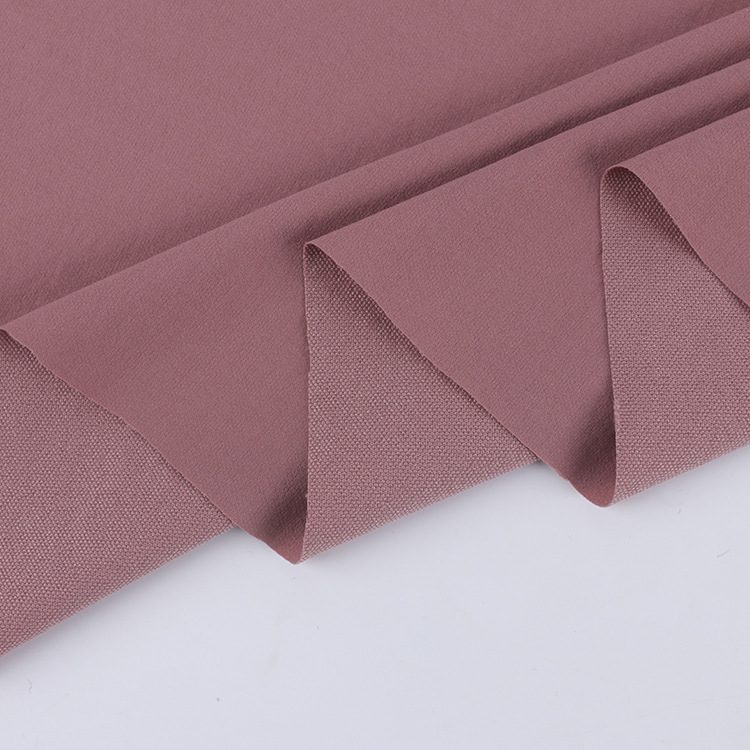

Care and Maintenance of Nylon 4-Way Stretch
Correct care helps preserve garment dimensions, surface appearance, stretch, and recovery. We recommend validating the following instructions against the finished garment and its trims:- Follow the care label: Washing limits should reflect laboratory testing of the complete garment, not assumptions based only on fiber composition.
- Use cool water: High temperatures can weaken elastane and increase shrinkage, dye migration, or surface distortion.
- Choose mild detergent: Avoid chlorine bleach and aggressive softeners unless the fabric has been specifically tested for them.
- Limit tumble drying: Air drying is preferable; if mechanical drying is required, use a validated low-temperature cycle.
- Iron cautiously: Use low heat with a protective cloth, because excessive temperature can damage nylon and degrade spandex recovery.
- Store without tension: Fold garments neatly or use supportive hangers to prevent localized stretching and dimensional distortion.
- Avoid routine dry cleaning: Solvent compatibility should be confirmed before dry cleaning any nylon-spandex construction.