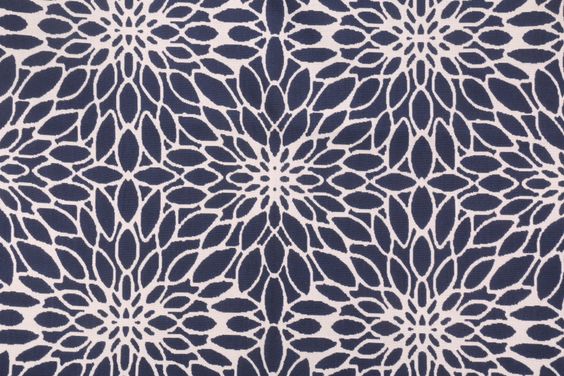
Acrylic fabric is a synthetic textile made from acrylic fibers whose polymer chains contain at least 85% acrylonitrile units by mass. It is commonly engineered to provide a soft, wool-like hand, low weight, warmth, color retention, and resistance to sunlight and weathering. These qualities make it useful in knitwear, blankets, upholstery, outdoor fabrics, carpeting, wigs, and blended textiles.
The name “acrylic” describes the fiber, not one universal fabric construction. Acrylic can be spun into different yarn counts and made into knitted, woven, pile, or nonwoven materials. Its performance therefore depends on fiber type, yarn structure, fabric construction, finishing, and the other fibers in a blend.
Conclusiones clave
- Acrylic is a manufactured fiber based on polyacrylonitrile chemistry and is often used as a lightweight, wool-like material.
- Typical strengths include warmth, softness, color retention, quick drying, and resistance to sunlight; common limitations include low moisture absorption, static, pilling, heat sensitivity, and flammability.
- Wet spinning and dry spinning are the principal fiber-forming routes. The polymer solution is extruded, solidified, washed, drawn, crimped, and converted into tow, staple fiber, filament, or yarn.
- “Acrylic,” “modacrylic,” and other acrylonitrile-containing fibers are not interchangeable names; composition and destination-market labeling rules matter.
- Buyers should approve composition, construction, color, pilling, dimensional stability, flammability, restricted substances, care instructions, and traceability against the final product and target market.

¿Qué es la tela acrílica?
Acrylic is a manufactured fiber formed from long-chain synthetic polymers containing at least 85% acrylonitrile units by mass. This threshold appears in both the U.S. generic fiber definition under 16 CFR § 303.7 and the EU fiber description in Reglamento (UE) nº 1007/2011.
In commercial textiles, acrylic is usually supplied as staple fiber and spun into yarn, although filament forms also exist. Manufacturers can adjust denier, staple length, crimp, cross-section, luster, yarn structure, dyeing method, and finishing to create different hands and performance profiles.
Quick Property Profile
| Propiedad | Typical acrylic behavior | Implicación del comprador |
|---|---|---|
| Calor | Good insulation for its weight | Useful for sweaters, hats, blankets, and cold-weather accessories |
| Absorción de humedad | Bajo | Dries relatively quickly but may feel less comfortable in warm, humid conditions |
| Transpirabilidad | Usually low to moderate, depending on construction | Open knits can breathe more than dense woven or pile constructions |
| Color performance | Often good, especially with solution-dyed fiber | Confirm shade, lightfastness, and lot consistency for the actual product |
| pilling | Can be significant | Specify a pilling test method and acceptance grade |
| Static | Can build static charge | Antistatic finishes or fiber blending may be needed |
| Respuesta al calor | Thermoplastic and sensitive to high heat | Control ironing, drying, pressing, and finishing temperatures |
| Flammability | Burns and can melt; behavior varies by construction and finish | Test the final product to the applicable end-use requirement |
| Weathering | Generally good resistance to sunlight and outdoor exposure | Relevant to awnings and outdoor upholstery, but still verify colorfastness and finish durability |
These are general tendencies, not guaranteed specifications. A loose acrylic sweater, an outdoor solution-dyed woven, and an acrylic upholstery pile can perform very differently.
A Brief History of Acrylic Fiber
DuPont developed commercially important acrylic fiber technology in the United States during the 1940s and introduced Orlon commercially around the beginning of the 1950s. Acrylic gained a market as a lower-cost, easy-care alternative to wool in knitwear, blankets, and home textiles.
Its role has since become more specialized. Natural fibers, polyester, recycled synthetics, and performance blends compete with acrylic, while acrylic remains valuable where warmth, bulk, bright color, weather resistance, or a wool-like appearance are priorities.
¿Cómo se fabrica la tela acrílica?
Acrylic fabric production begins with fiber manufacture and ends with yarn and fabric formation. A typical process includes the following stages:
- Polymerization. Acrylonitrile is polymerized with selected comonomers to create a fiber-forming polymer. The comonomer package helps control dyeability, processing, and end-use properties.
- Dope preparation. The polymer is dissolved in a suitable solvent to form a controlled spinning solution. Filtration helps remove particles that could disrupt spinning.
- Spinning. The solution is extruded through a spinneret. In wet spinning, the streams enter a coagulation bath and solidify. In dry spinning, heated gas evaporates the solvent.
- Washing and solvent recovery. The newly formed fibers are washed to reduce residual processing chemicals. Solvent management and recovery are important environmental and worker-safety controls.
- Drawing. The fibers are stretched to orient the polymer chains and develop useful strength and dimensional properties.
- Crimping and finishing. Crimp adds bulk and improves cohesion for staple spinning. Lubricants or other process finishes may be applied.
- Conversion. Fiber may be supplied as tow, cut into staple, or converted into yarn. The yarn is then knitted, woven, tufted, or otherwise formed into a textile.
- Dyeing and finishing. Acrylic can be dyed after fiber or fabric formation, while solution dyeing adds pigment before extrusion. The selected route affects color range, fastness, minimum quantities, and lead time.
The original article described dry spinning as inherently more environmentally friendly than wet spinning. That conclusion is too broad. Environmental performance depends on the solvent system, energy source, emissions controls, recovery efficiency, wastewater treatment, and facility operation—not on the spinning label alone.

Key Properties of Acrylic Fabric
Warm, Lightweight, and Wool-Like
Crimped acrylic staple can trap air and produce bulky yarn without excessive weight. Brushing, raising, and pile construction can increase softness and insulation. This is why acrylic is widely used for sweaters, hats, gloves, blankets, and faux-fur effects.
Low Moisture Absorption and Quick Drying
Acrylic absorbs relatively little moisture. It normally dries faster than wool or cotton, but low absorbency is not the same as high moisture-wicking performance. Wicking depends on fiber cross-section, yarn and fabric capillaries, surface treatment, and garment design. Buyers should request an appropriate moisture-management or drying test when the claim matters.
Color Retention and Weather Resistance
Acrylic is known for good color potential and resistance to sunlight compared with many common fibers. Solution-dyed acrylic is especially useful for outdoor textiles because the color is introduced into the fiber-forming material. Nevertheless, UV exposure, pigment choice, shade, finish, construction, and test duration all affect performance.
Pilling, Static, and Abrasion Considerations
Acrylic fabrics can pill because loose fiber ends migrate to the surface and become entangled. Strong synthetic fibers may hold pills on the fabric instead of allowing them to fall away. Fiber length, yarn twist, blend ratio, knitting density, singeing, brushing, and anti-pilling treatments can change the result.
Low moisture regain also makes acrylic prone to static. This can attract lint or affect comfort in dry conditions. Blending and antistatic finishing can help, but any finish should be evaluated for durability and destination-market chemical requirements.
Heat and Flame Behavior
Acrylic is thermoplastic: excessive heat can distort, shrink, glaze, or melt the material. It is also combustible. However, it is inaccurate to state that every acrylic fabric must receive a toxic flame-retardant treatment. Flame performance depends on fiber chemistry, mass, construction, blends, finishes, and the final product. Flame-retardant requirements are end-use and jurisdiction specific; the final article should be tested when a standard applies.
Ventajas y limitaciones
Ventajas
- Soft, bulky, wool-like aesthetics are possible.
- Good warmth-to-weight performance.
- Generally good color retention and resistance to sunlight.
- Low moisture absorption supports relatively quick drying.
- Moth and mildew resistance under normal dry storage conditions.
- Can be engineered in knitted, woven, pile, faux-fur, and outdoor constructions.
- Often costs less than fine wool, although price varies by fiber type, energy, feedstock, dyeing route, quantity, and market conditions.
Limitaciones
- Pilling can be severe in some yarns and constructions.
- Static and lint attraction can affect appearance and comfort.
- Lower moisture absorption can feel clammy in active or humid use.
- Heat can damage or permanently deform the fabric.
- Burning and melting behavior may restrict some applications.
- Oil-based stains can be difficult to remove.
- The fiber is fossil-derived in conventional production and is not biodegradable.
- Recycling routes and collection infrastructure are less mature than for some higher-volume fibers.
¿Cómo se utiliza la tela acrílica?
Because acrylic can imitate wool and provide bulk, warmth, and color, common applications include:
- Sweaters, cardigans, hoodies, scarves, hats, gloves, socks, and cold-weather accessories
- Knitting and craft yarns
- Blankets, throws, upholstery, rugs, and carpeting
- Faux fur, wigs, hair extensions, costumes, and decorative pile fabrics
- Awnings, umbrellas, outdoor cushions, and marine or patio textiles when the construction and finish are designed for exposure
- Linings, boot components, workwear blends, and selected athletic garments
- Industrial precursor fiber for certain carbon-fiber production routes; this is a distinct supply chain from ordinary apparel fabric
Acrylic is frequently blended with wool to reduce cost or adjust care and durability, with cotton for a softer and more absorbent hand, or with other synthetics to modify strength and drying. The blend ratio should be selected from performance targets rather than price alone.

Acrylic, Modacrylic, Nytril, and Lastrile
The original article grouped four names as types of acrylic fabric. They are better understood as separate generic fiber categories or historical categories:
Acrylic
Under U.S. and EU definitions, acrylic fiber contains at least 85% acrylonitrile units by mass in the fiber-forming polymer.
Modacrylic
Under the U.S. generic definition, modacrylic contains less than 85% but at least 35% acrylonitrile units by weight. Depending on its chemistry, modacrylic can provide improved flame resistance and is used in products such as protective apparel, wigs, faux fur, and pile fabrics. Buyers must not assume that ordinary acrylic and modacrylic have the same flame behavior.
Nytril
Nytril is a historical manufactured-fiber name based primarily on vinylidene dinitrile chemistry. It never achieved the commercial scale of acrylic and is not a normal modern sourcing alternative. Any offer using this name should be technically verified.
Lastrile
Lastrile is a historical elastic-fiber category involving acrylonitrile and a diene. It should not be confused with elastane/spandex, which is the common stretch fiber in contemporary apparel. Availability and labeling status should be confirmed before specifying it.
Acrylic vs. Wool
| factor de decisión | Acrylic | Lana |
|---|---|---|
| Origin | Synthetic, conventionally fossil-derived | Animal protein fiber |
| Calor | Good warmth at low weight | Strong insulation and moisture-buffering ability |
| Comportamiento de la humedad | Low absorption; often quick drying | Higher moisture regain; manages humidity differently |
| pilling | Can be persistent | Varies by fiber length, fineness, yarn, and construction |
| Heat/flame | Thermoplastic; can melt and burn | Does not melt and generally has favorable inherent flame behavior |
| Cuidado | Often machine washable at gentle settings, subject to label | Can felt or shrink without suitable processing and care |
| Costo | Often lower, but specification dependent | Often higher, with wide variation by grade and origin |
| End-of-life | Not biodegradable; recycling infrastructure is limited | Biodegradable under suitable conditions; recyclability depends on collection and blends |
Neither fiber is universally better. Acrylic can suit cost-sensitive, colorful, lightweight, or outdoor-oriented products. Wool can be preferable where natural-fiber positioning, moisture buffering, odor management, or inherent flame behavior is important.
How to Care for Acrylic Fabric
Always follow the sewn-in care label because construction, blend, dye, trim, and finish can change the correct method. General precautions include:
- Wash on a cool or warm gentle cycle with mild detergent when the care label permits.
- Use a laundry bag and reduce friction to help limit pilling in delicate knits.
- Avoid high dryer temperatures; air dry or tumble dry low if allowed.
- Use a cool iron, preferably from the reverse side, and avoid prolonged contact.
- Keep the fabric away from open flame and high-temperature surfaces.
- Remove oil-based stains promptly using a method compatible with the color and finish.
The former claim that cold water makes acrylic rigid and that hot water can melt it inside a normal wash cycle was too absolute. Mechanical action and high drying or ironing temperatures are often more important risks; the product care label remains the controlling instruction.
Environmental and Health Considerations
Conventional acrylic is made from fossil-derived feedstocks and does not biodegrade like a natural protein or cellulosic fiber. Fiber production also requires chemical handling, energy, solvent control, and emissions management. During use, acrylic textiles can shed microfibers, as can other synthetic fabrics. Shedding varies by fiber, yarn, construction, finishing, garment age, and washing conditions.
Recycling acrylic is technically possible in some specialized systems, but collection, separation, blend complexity, color, and limited commercial infrastructure constrain circularity. Buyers should not make a “recycled acrylic” or sustainability claim without chain-of-custody evidence, accurate composition data, and claim wording appropriate to the target market.
Separating Acrylonitrile Monomer Hazards from Finished-Fiber Risk
Acrylonitrile monomer is hazardous. The U.S. National Institute for Occupational Safety and Health identifies it as a potential occupational carcinogen and publishes workplace exposure limits and controls in its NIOSH Pocket Guide. Those findings primarily concern exposure to the monomer during chemical manufacture and handling.
They do not establish that ordinary skin contact with a finished acrylic garment increases a consumer’s cancer risk. U.S. workplace rules for acrylonitrile expressly distinguish finished acrylic and modacrylic polymers and products fabricated from them in the scope provisions of 29 CFR § 1910.1045. Finished articles can still require evaluation for residual substances, dyes, finishes, skin sensitivity, and product-specific chemical restrictions, but the earlier article’s direct cancer claim was unsupported and has been removed.
Where Is Acrylic Fabric Produced and What Does It Cost?
Acrylic fiber and fabric supply is international, with production and conversion capacity across Asia and other textile regions. China is an important producer and user, but rankings, market shares, and “largest company” claims change by year and by whether the data refer to polymer, fiber, yarn, fabric, or finished apparel. Buyers should use current market data rather than relying on a static country ranking.
There is no single meaningful price for “acrylic fabric.” Quotations depend on:
- Fiber grade, origin, and whether it is standard or specialty acrylic
- Staple, tow, filament, or yarn format
- Blend composition and yarn count
- Knit, woven, pile, or tufted construction
- Fabric weight, width, density, and usable width
- Raw white, piece dyed, yarn dyed, printed, or solution-dyed color
- Brushing, raising, anti-pilling, antistatic, flame-related, or outdoor finishes
- Testing, documentation, packaging, order quantity, and delivery terms
For procurement, compare quotations against the same confirmed specification rather than comparing prices per meter without accounting for weight, width, yield, quality grade, and testing scope.

Quality Control and Sourcing Checklist
Before approving acrylic fabric for bulk production, buyers should confirm:
¿Dónde se produce la tela acrílica?
- Fiber identity and blend ratio: Require an accurate composition and an agreed test method where verification is necessary.
- Construcción: Record yarn count, knit or weave, gauge or density, weight, usable width, and tolerances.
- Appearance and hand: Approve a sealed sample, color standard, lab dip, strike-off, or production standard as appropriate.
- Pilling and abrasion: Select methods and grades relevant to the market and end use; do not rely on “anti-pilling” as an unmeasured claim.
- Solidez del color: Consider washing, rubbing, light, perspiration, water, and weathering according to use.
- Estabilidad dimensional: Test laundering, relaxation, heat, and garment processing conditions that reflect actual production.
- Flammability: Evaluate the finished product under any applicable category-specific requirement.
- Restricted substances: Communicate the destination market, product category, dyes, coatings, and finishes before sampling.
- Etiquetado de cuidados: Validate the care instruction against the finished construction, not just the nominal fiber.
- Traceability and documents: Align purchase orders, test reports, declarations, batch records, and packaging labels.
El guía de inspección de calidad de la tela provides a broader framework for incoming, in-process, and pre-shipment checks. FabricsTrades can help buyers evaluate acrylic or alternative fiber constructions through its OEM fabric development and sourcing options; availability, manufacturing route, testing, and documentation should be confirmed for the final specification.
Actualización regulatoria y de mercado actual
For acrylic textiles, the most immediate compliance issues are accurate fiber labeling, restricted-substance control, product-category safety requirements, traceability, and support for environmental claims.
In the EU, Regulation (EU) No 1007/2011 reserves listed fiber names for fibers that meet the corresponding definitions and requires textile products within scope to carry accurate fiber-composition information. In the United States, the Textile Fiber Products Identification Act rules in 16 CFR Part 303 govern generic fiber names and fiber-content disclosures. Buyers should align laboratory methods, supplier declarations, labels, and commercial documents with the destination market.
El Reglamento sobre diseño ecológico para productos sostenibles de la UE, Reglamento (UE) 2024/1781, establishes a framework for future product-specific ecodesign requirements and digital product passports. It does not mean that every acrylic fabric already requires a Digital Product Passport. Detailed obligations depend on subsequent product-specific measures, scope, and application dates. Buyers serving the EU can prepare by improving fiber, chemical, supplier, batch, durability, and environmental-claim data. FabricsTrades’ overview of Implicaciones del ESPR y del Pasaporte Digital de Productos para las cadenas de suministro de tejidos chinas offers related sourcing context, but buyers should verify the current legal text and final product scope before production.
Market demand is also moving toward better substantiation of recycled content, durability, microfiber, and chemical claims. Documentation needs vary with the destination, product category, construction, treatment, production batch, and date of sale. Communicate the applicable testing and document requirements before quotation and sampling.
Preguntas frecuentes
Is acrylic fabric natural or synthetic?
Acrylic is a synthetic manufactured fiber. Conventional acrylic is produced from acrylonitrile-based polymer chemistry rather than a plant or animal fiber.
Is acrylic fabric the same as polyester?
No. Acrylic and polyester are different generic fibers with different polymer chemistries and performance profiles. Both are synthetic and thermoplastic, but acrylic is often selected for wool-like bulk and warmth, while polyester covers a much broader range of apparel, home, and industrial applications.
Is acrylic fabric warm?
Yes, many acrylic constructions provide good warmth for their weight because crimped staple yarn and bulky structures trap insulating air. Warmth still depends on fabric thickness, density, brushing, layering, and garment design.
Does acrylic fabric pill?
Acrylic can pill significantly, especially in soft, low-twist yarns or high-friction applications. Fiber length, yarn twist, fabric density, finishing, laundering, and blends affect the result, so buyers should specify a test method and minimum grade.
Is acrylic fabric breathable and moisture-wicking?
Acrylic has low moisture absorption, but breathability and wicking are construction-dependent. An open knit can allow airflow, while a dense or coated fabric may not; quick drying alone does not prove moisture-wicking performance.
Is acrylic fabric safe to wear?
Finished acrylic textiles are not equivalent to exposure to acrylonitrile monomer during chemical production. Consumers may still experience irritation from dyes, finishes, residues, friction, or personal sensitivity, so products should meet applicable chemical and safety requirements for their category and market.
Can acrylic fabric be recycled?
Specialized acrylic recycling routes exist, but collection and commercial-scale infrastructure remain limited, especially for blended, dyed, or finished textiles. Any recycled-content claim should be supported by supply-chain evidence and accurate composition records.
What should buyers test before ordering acrylic fabric?
Testing should reflect the end use and can include fiber composition, weight, width, pilling, abrasion, colorfastness, dimensional stability, flammability, restricted substances, and weathering. The exact program depends on the destination market and finished product.
Choosing and Sourcing Acrylic Fabric
Acrylic fabric is most useful when a project needs lightweight warmth, wool-like bulk, strong color potential, or outdoor-oriented weather resistance at a controlled cost. It is less suitable when high moisture absorption, low static, exceptional anti-pilling performance, high-heat exposure, or natural-fiber positioning is essential.
FabricsTrades is based in Wujiang District, Suzhou, and works with textile manufacturing and finishing resources across the local supply-chain cluster. For an acrylic, blended, or alternative-fiber project, FabricsTrades can help evaluate constructions, weights, widths, colors, finishes, samples, testing coordination, and documentation requests. Final availability and performance should be confirmed against a written specification and approved sample before bulk production.