Mousseline de polyester
- Fabriqué à partir de polyester, nylon et cotons recyclés
- Délai de livraison plus court
- Des prix intéressants
Mousseline de polyester sur mesure en vrac au prix de gros des fabricants
- En savoir plus
- En savoir plus
- En savoir plus
- En savoir plus
- En savoir plus
- En savoir plus
- En savoir plus
- En savoir plus
- En savoir plus
- En savoir plus
- En savoir plus
- En savoir plus
- En savoir plus
- En savoir plus
- En savoir plus
- En savoir plus
- En savoir plus
- En savoir plus
- En savoir plus
- En savoir plus
- En savoir plus
- En savoir plus
- En savoir plus
- En savoir plus
- En savoir plus
- En savoir plus
- En savoir plus
- En savoir plus
- En savoir plus
- En savoir plus
Custom-Made Polyester Chiffon in Bulk at Wholesale Prices
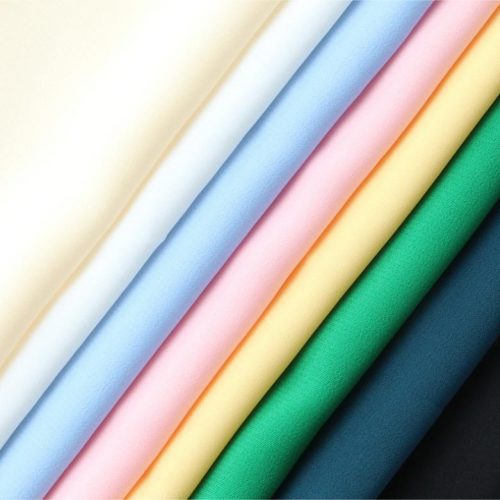
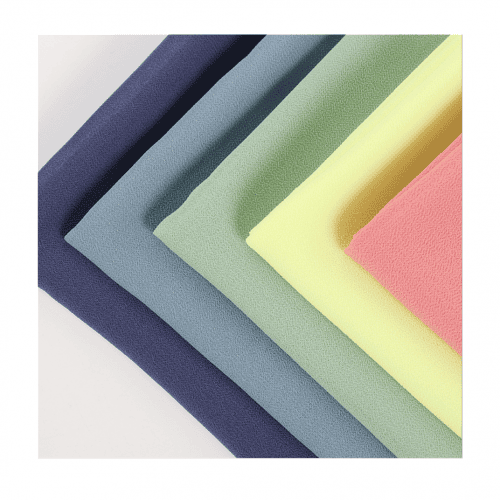
Polyester chiffon is a lightweight, sheer and fluid fabric valued for its soft drape, airy appearance and commercial versatility. Compared with silk chiffon, it offers a more accessible price point, easier routine care and broad design flexibility for fashion, occasionwear, accessories and decorative applications.
FabricsTrades supports bulk polyester chiffon sourcing, color development, printing, finishing and custom fabric programs. Located in the heart of Wujiang District, Suzhou, we operate within one of the world’s most concentrated textile manufacturing hubs. We are not limited to the capacity of a single mill: our proximity to thousands of specialized weaving, dyeing, printing and finishing factories allows us to match buyers with the right production route. If a fabric exists, we can help source it. If it does not, we can help develop it.
Request a quotation with your target composition, fabric weight, width, color or print, finishing requirements, order quantity and intended end use.
What Is Polyester Chiffon?
Polyester chiffon is a lightweight fabric made primarily from polyester fibers. It is generally produced with a balanced plain-weave construction and tightly twisted filament yarns, creating a fine, slightly textured surface with characteristic transparency, fluidity and movement.
Its appearance resembles traditional silk chiffon, but polyester chiffon is typically more affordable and easier to maintain. It can be produced in solid colors, printed designs, pleated or crinkled surfaces, and a variety of aesthetic finishes. Depending on the construction and final garment design, the fabric may be used as a sheer outer layer, a gathered overlay, a decorative panel or a lined main fabric.
Polyester chiffon is lightweight, soft and delicate in texture. Its open, airy construction makes it suitable for warm-weather silhouettes, although polyester itself may not feel as breathable or moisture-absorbent as natural fibers. The material drapes beautifully and adds graceful movement, but its lightweight construction can be vulnerable to snagging or tearing if handled against rough surfaces.
Règlement sur les tissus 2024-2026 & Mise à jour de conformité
Polyester chiffon supplied for apparel and other consumer products must be assessed according to its destination market, dyes, printing inks, finishing chemistry and final product category. Fiber composition alone does not establish legal compliance.
The EU Ecodesign for Sustainable Products Regulation entered into force in July 2024 and establishes the framework for future product-specific ecodesign and Digital Product Passport requirements. Textiles and apparel are included in the first ESPR working plan. Buyers developing polyester chiffon products for the EU should begin organizing reliable product identification, fiber-composition data, recycled-content evidence where claimed, substances-of-concern information and traceability across weaving, dyeing, printing and finishing. The detailed obligations for a particular textile product will depend on the applicable delegated acts; a “DPP-ready” data package is preparation, not proof that a future product-specific rule has already been satisfied.
The wider 2024-2026 compliance landscape also includes evolving PFAS restrictions, chemical controls, recycled-content substantiation and supply-chain due-diligence expectations. Standard, untreated polyester chiffon is not automatically a PFAS product. However, risk may arise when water-repellent, oil-repellent, stain-resistant, coated or other performance finishes are added. Buyers should disclose the destination market and intended finish at the development stage, require compliance declarations tied to the final specification, and arrange appropriate third-party testing when the product or chemical treatment creates a regulatory risk. Compliance must be confirmed for the finished material and intended use; it should not be inferred from a generic fabric name or unsupported “eco” claim.
https://fabricstrades.com/insight/fabric-regulations-of-the-20242026-global-textile-compliance/
Pourquoi choisir FabricsTrades ?
Located in Wujiang District, Suzhou—one of the world’s leading textile hubs—FabricsTrades provides direct access to specialized weaving, dyeing, printing and finishing resources. We are more than a manufacturer; we are your strategic sourcing partner. If a polyester chiffon fabric exists, we can find it. If it does not, we can help develop it.- Custom colors, prints and textures
- Flexible sourcing and production capacity
- Short lead times and competitive prices
- Quality control from sampling to shipment
- Compliance support for target markets


Polyester Chiffon Use Cases
Polyester chiffon’s lightweight, sheer appearance and fluid drape make it suitable for:- Evening gowns, bridalwear and bridesmaid dresses
- Blouses, skirts and layered fashion garments
- Scarves, hijabs and modest-fashion pieces
- Resortwear, kaftans and beach cover-ups
- Dancewear, stage costumes and decorative panels
- Pleated garments, ruffles and fashion trims
- Sheer curtains, wedding décor and event draping
Key Characteristics and Properties
- Fiber type: Polyester-based synthetic fabric; some chiffon developments may incorporate other synthetic or natural fibers.
- Structure: Typically a lightweight plain weave made with fine, highly twisted yarns.
- Apparence: Sheer, elegant and softly textured.
- Hand feel: Light and delicate with a fluid drape.
- Drape: Excellent for layered, gathered, ruffled and bias-cut designs.
- Color and print versatility: Available in a wide range of colors and patterns and suitable for screen or digital printing.
- Care: Machine washable and quick-drying when the finished garment’s care instructions permit.
- Wrinkle behavior: Less prone to wrinkling than some chiffon fabrics, although fold marks and wrinkles can still occur and may require low-temperature steaming.
- Handling consideration: Fine yarns and a lightweight structure can be prone to snagging, seam slippage or damage from unsuitable needles and rough handling.
- Comfort consideration: The fabric creates an airy garment structure, but polyester chiffon may not be as breathable as natural-fiber chiffon in hot or humid conditions.
A Brief History of Polyester Chiffon
Polyester chiffon emerged after the commercial development of synthetic fibers during the twentieth century. Rayon and nylon became established during the 1930s, while polyester entered large-scale use during the 1950s. By the 1950s and 1960s, manufacturers were using polyester and other fibers to create lightweight, sheer fabrics that reproduced much of chiffon’s visual delicacy at a more accessible cost. Early applications included scarves and small accessories, followed by wider adoption in dresses, blouses and occasionwear. Improved yarn engineering, dyeing, printing, pleating and finishing technologies have since expanded the fabric’s color range, surface effects and applications. Recycled polyester options and more resource-efficient processing methods are also receiving increased attention as brands work to improve material traceability and environmental performance.How Polyester Chiffon Is Manufactured
1. Préparation des fibres et des fils
Polyester fibers are prepared and spun or extruded into fine yarns. Depending on the required fabric character, manufacturers may use polyester alone or combine it with other synthetic or natural fibers. Yarn specification and twist influence the fabric’s transparency, surface texture, drape and strength.2. Spinning and Twisting
The prepared fibers are formed into yarn or filament. Chiffon commonly relies on fine, tightly twisted yarns to create its slightly crepe-like surface and fluid handle.3. Tissage ou tricot
Polyester chiffon is typically made with a plain weave in which warp and weft yarns pass over and under one another in a simple alternating structure. The resulting fabric is lightweight, sheer and flexible.4. Dyeing, Printing and Surface Development
The fabric may be piece-dyed, printed or otherwise decorated. Screen printing and digital printing can be used for patterns, while heat-setting, crinkling or pleating can create permanent or semi-permanent surface effects.5. Finishing and Inspection
Finishing may be used to adjust hand feel, appearance, dimensional stability or functional performance. The finished fabric should be inspected for shade consistency, width, weight, skew, bowing, surface defects and other agreed quality requirements before shipment. When a functional finish is requested—such as water repellency, stain resistance, ultraviolet protection or wrinkle resistance—the chemical system and compliance requirements should be confirmed during development. A finish should never be assumed from the term “polyester chiffon” alone.Applications of Polyester Chiffon
Robes et tenues de cérémonie
Polyester chiffon is widely used for evening dresses, bridesmaid dresses, prom dresses, cocktail dresses and other formal silhouettes. Designers use it for layered skirts, gathered bodices, flutter sleeves, draped necklines, asymmetric overlays and soft trains. Because the fabric is generally sheer, dresses frequently incorporate a lining, double-layer construction or strategically placed opaque panels. Hem design, seam type and lining compatibility should be evaluated during sampling.Bridalwear
In bridal collections, polyester chiffon can be used for overlays, sleeves, capes, detachable trains, veils, draped panels and softly gathered skirts. Its fluid movement works especially well in destination-wedding dresses, minimalist bridal gowns and coordinated bridesmaid programs where color consistency and repeatability are important.Blouses and Fashion Tops
The fabric is suitable for tie-neck blouses, pussy-bow shirts, balloon sleeves, bishop sleeves, ruffled yokes, peplum layers and translucent overshirts. It can also be combined with an opaque camisole or lining to balance coverage with a lightweight visual effect.Skirts and Layered Bottoms
Polyester chiffon can be developed into pleated midi skirts, layered maxi skirts, handkerchief hems, dance skirts, ballet-inspired overlays and soft ruffle tiers. For active movement or stage use, the designer should test seam security, static behavior and abrasion at high-contact areas.Foulards et Accessoires
Its low weight and drape make polyester chiffon suitable for fashion scarves, neckerchiefs, hair scarves, head coverings, decorative bows, sash belts, garment rosettes and gift accessories. Printed chiffon can support placement graphics, border prints and repeat patterns.Resortwear and Beach Layering
Modern resort applications include kaftans, sarongs, pareos, beach cover-ups, kimono-style layers and sheer resort shirts. These products benefit from chiffon’s packability, quick drying and visual movement. When prolonged sun exposure is expected, buyers may request colorfastness or ultraviolet-performance testing appropriate to the product claim.Modest Fashion
Polyester chiffon is commonly considered for hijabs, abayas, khimars, layered tunics, prayer garments and coordinated modest-fashion accessories. Development priorities may include opacity through layering, edge finishing, slip resistance, static control, drape and color consistency across repeat orders.Dance, Performance and Costume Design
The fabric’s movement makes it useful for lyrical-dance skirts, ballet overlays, ballroom panels, stage capes, performance sleeves and theatrical costumes. Costumes should be engineered for the required range of motion and inspected for seam strength, snag resistance and compatibility with embellishments.Lingerie and Decorative Apparel Panels
Polyester chiffon may be used for lingerie overlays, babydoll silhouettes, robes, flutter details and decorative inserts where transparency and softness are required. Any application involving direct skin contact should be evaluated for hand feel, seam comfort and applicable restricted-substance requirements.Fashion Details and Trims
Smaller-scale uses include ruffles, flounces, pleated inserts, fabric flowers, bows, neckties, sleeve panels and translucent pocket or yoke details. Laser cutting, heat cutting and narrow hemming may be considered depending on the construction, but the process must be tested to prevent distortion or hard edges.Home Décor and Event Styling
Polyester chiffon can be used for sheer curtains, window layers, canopy treatments, bed draping, wedding arches, ceiling installations, table runners, chair sashes and photographic backdrops. These applications use the fabric’s softness, translucency and response to ambient light. For public venues, hospitality projects or event installations, buyers should confirm whether flame-retardancy testing or other local building and fire-safety requirements apply.Advantages and Drawbacks of Polyester Chiffon
Avantages
- Durabilité: Polyester chiffon is a strong and durable fabric that can withstand wear and tear, making it ideal for garments that will be worn frequently.
- Affordability: Polyester chiffon is relatively inexpensive compared with natural silk chiffon, making it a cost-effective alternative for buyers seeking a chiffon appearance without the higher price of silk.
- Entretien facile : Polyester chiffon is easy to care for, as it is machine washable and dries quickly. It does not require special handling or ironing, making it suitable for busy lifestyles.
- Versatilité: Polyester chiffon can be used in a variety of applications, from clothing to home décor and accessories.
Drawbacks
- Tendency to wrinkle: Polyester chiffon is prone to wrinkling, which can make it difficult to maintain a crisp, polished look. It may require ironing or steaming to remove wrinkles.
- Synthetic nature: Polyester chiffon is a synthetic material, which may not appeal to buyers who prefer natural fibers. It may also have a different feel or drape from natural silk chiffon.
- Impact environnemental : Polyester is a petroleum-based product. Polyester chiffon production therefore has an environmental impact; the material is not biodegradable and may contribute to pollution.
- Respirabilité : Polyester chiffon may not be as breathable as natural fibers, which can lead to discomfort in hot or humid conditions.
Emerging Trends and Innovations
Fiber Blends
Polyester chiffon is increasingly combined with fibers such as cotton or rayon to modify its comfort, surface character and drape. Cotton-polyester chiffon blends can provide a more natural touch, while rayon-polyester blends may create a softer hand and more fluid movement.Polyester recyclé
Recycled polyester chiffon is attracting interest from brands seeking alternatives to virgin polyester. Recycled-content claims should be supported by appropriate chain-of-custody documents and, where applicable, transaction-level certification connected to the actual shipment.Lower-Impact Processing
Manufacturers are developing more efficient dyeing, printing and finishing processes to reduce water, energy and chemical use. Buyers should request measurable evidence instead of relying solely on broad environmental marketing statements.Digital Printing
Digital printing allows complex artwork, photographic effects, short design runs and rapid color development on lightweight polyester fabrics. Print penetration, colorfastness, shade matching and fabric handle should be reviewed during strike-off approval.Functional Finishes
Water-repellent, ultraviolet-protective and wrinkle-resistant finishes can extend chiffon’s potential applications. These functions are optional developments rather than inherent properties of polyester chiffon. Any performance claim should be supported by an agreed test method and result.Engineered Pleating and Texture
Heat-setting enables permanent pleats, crinkles, geometric textures and sculptural surfaces. Development should account for pleat retention, dimensional stability, laundering behavior and the effect of processing on fabric width.Strategic Polyester Chiffon Sourcing in Suzhou
FabricsTrades is located in Wujiang District, Suzhou, at the center of a dense textile supply network covering yarn production, weaving, dyeing, printing, pleating, finishing, inspection and garment manufacturing. This location allows us to act as a strategic sourcing partner rather than only a single-factory seller. While one mill may be limited by its own looms or finishing equipment, our regional network gives buyers access to specialized production capabilities across the cluster. If a required polyester chiffon construction already exists, we can help identify and evaluate it. If the project requires a new color, print, texture, hand feel or performance profile, we can coordinate development with suitable production partners. For an efficient quotation, provide:- Intended product and destination market
- Composition de fibres requise
- Target fabric weight and width
- Color standard or artwork
- Surface texture or pleating requirement
- Required functional finish
- Physical-testing and chemical-compliance standards
- Quantité de commande estimée
- Exigences d'emballage
- Date de livraison prévue