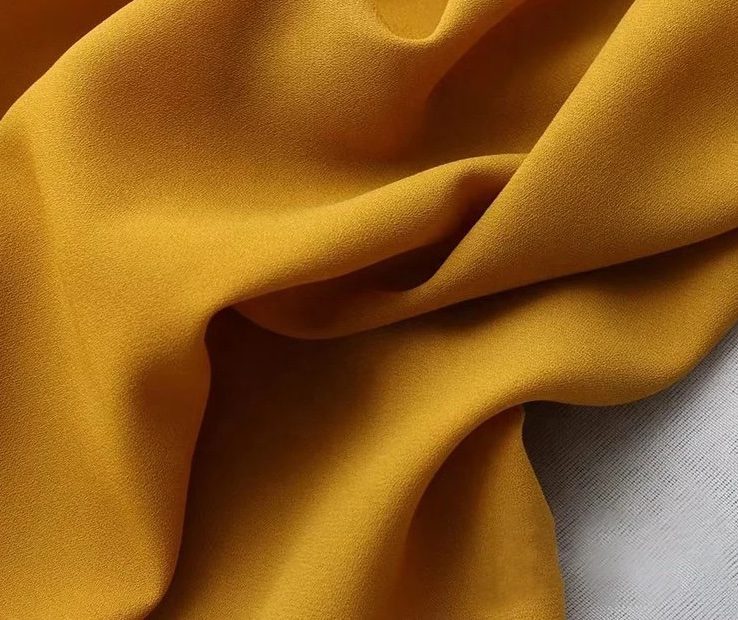
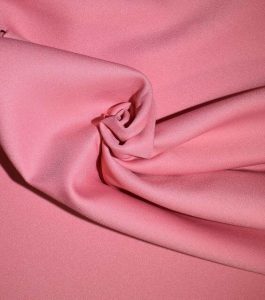
Tissu crêpe

  • Fabriqué à partir de polyester, nylon et cotons recyclés
  • Délai de livraison plus court
  • Des prix intéressants

Tissu crêpe sur mesure en vrac au prix de gros des fabricants

Custom-Made Crepe Fabric at Wholesale Prices

FabricsTrades supplies crepe, crepe chiffon, moss crepe, bubble crepe, crinkle crepe, CEY elastic crepe, metallic crepe, and related textured fabrics for apparel and accessories. Our current collection includes lightweight 30D, 75D, and 100D constructions, plain and striped surfaces, elastic options, imitation-silk effects, and decorative organza-based styles.

Located in the heart of Wujiang District, Suzhou, we operate at the center of one of the world’s most concentrated textile hubs. We are not limited to the capacity of a single mill. As both a manufacturer and strategic sourcing partner, we can coordinate specialized weaving, dyeing, printing, finishing, and inspection resources across the local supply chain. If a fabric exists, we can find it. If it does not, we can help you create it.

Crepe Fabrics Available for Bulk Sourcing

Our actual product listings include:

  • High Quality 100% Polyester Ice Silk Plaid Crepe Fabric for Wide Leg Pants, Dresses, Casual Pants, and Garment Textiles
  • High Quality 100% Polyester CEY Ice Strap Fabric for Wide Leg Pants, Casual Shirts, Long Dresses, and Garment Textiles
  • Imitation Silk 100% Polyester Chiffon Plain Moss Crepe Woven Fabric for Women’s Dresses
  • 100% Polyester 75D Crinkle Crepe Chiffon Fabric for Linings and Women’s Dresses
  • 100% Polyester Chiffon Plain Moss Crepe Woven Fabric for Women’s Dresses
  • High-Elastic 100% Polyester Chiffon Plain Moss Crepe Woven Fabric for Women’s Shirts
  • New-Style Polyester Crepe Striped Chiffon Fabric for Women’s Dresses
  • CEY High-Elastic Crease-Woven Polyester Crepe Chiffon Fabric for Clothing
  • 100D Glitter Metallic Silk Chiffon and Glitter Crepe Chiffon Fabric
  • Starry-Sky Shiner Crepe Polyester Gilding Organza Fabric
  • Tissu organza crêpe à bulles seersucker haute densité pour robes de mariée
  • 100% Polyester 30D Silk Crepe Yarn Fabric for Women’s Dresses
  • New-Fashion Bubble Chiffon and Bubble Crepe Fabric for Garments
  • 75D Chiffon Crepe Summer Fabric for Women’s Clothing, Shirts, and Pajamas
  • Crinkled Silk Chiffon Fabric for Hijabs, Muslim Women’s Mini Crepe Shawls, Wrinkle-Finish Turbans, Islamic Headscarves, and Dresses

Product availability, color development, finishing options, minimum order quantities, and lead times should be confirmed for each specification.

What Is Crepe Fabric?

Crepe is a family of fabrics distinguished by a finely pebbled, crinkled, rippled, or puckered surface. The effect can be created through high-twist yarns, irregular weave structures, controlled shrinkage, mechanical texturing, or selected finishing processes.

“Crepe” describes the surface character rather than one fixed fiber composition. Crepe fabrics may be made from silk, cotton, wool, rayon, nylon, polyester, or blended yarns. The products currently listed in this collection are predominantly polyester constructions, including chiffon-crepe, moss-crepe, CEY elastic, bubble, organza, and imitation-silk variants.

The final performance depends on more than the crepe name. Buyers should evaluate fiber content, yarn count, fabric weight, density, width, stretch direction, opacity, drape, recovery, colorfastness, dimensional stability, and finishing chemistry against the intended garment.

Règlement sur les tissus 2024-2026 & Mise à jour de conformité

Crepe is a fabric construction rather than a compliance category. Regulatory exposure depends on its fiber composition, dyes, auxiliaries, prints, metallic effects, coatings, finishes, recycled-content claims, and the final product’s destination market.

For polyester crepe, chiffon-crepe, glitter crepe, gilded organza, and other finished fabrics sold into the EU, the Ecodesign for Sustainable Products Regulation and emerging Digital Product Passport framework increase the importance of traceable composition, production-stage data, substances-of-concern information, and evidence supporting recycled-content claims. Buyers should begin organizing product identifiers, bill-of-material data, process locations, certificates, test reports, and shipment-level documentation. See: https://fabricstrades.com/insight/espr-and-digital-product-passport-for-chinese-fabric-supply-chains/

Requirements also vary across the EU and United States, particularly where textile articles use functional finishes or make environmental claims. A compliance file may need fiber-content verification, restricted-substance testing, supplier declarations, chain-of-custody documents, and records linked to the relevant production lot. Decorative glitter, metallic transfer, printing binders, softeners, and any water-, oil-, or stain-repellent treatment require specific review because compliance cannot be inferred from the base fiber alone. See: https://fabricstrades.com/insight/fabric-regulations-of-the-20242026-global-textile-compliance/

Compliance should be confirmed against the finished fabric and intended market. A certificate held by a supplier does not automatically prove that every shipment, color, finish, or downstream garment meets all applicable requirements.

Why Choose Us for Crepe Fabric?

  • Wide Crepe Fabric Selection Source moss crepe, chiffon crepe, bubble crepe, crinkle crepe, CEY stretch crepe, and decorative metallic styles.
  • Crepe Customization Support Customize the composition, weight, color, texture, drape, opacity, stretch, and finishing for your application.
  • Specialized Suzhou Supply Network Our Wujiang location gives us direct access to experienced weaving, dyeing, printing, and crepe-finishing suppliers.
  • Assistance qualité et conformité We coordinate sampling, bulk-production follow-up, fabric inspection, performance testing, and compliance documentation.

Crepe Fabric Applications and Use Cases

Robes et tenues de cérémonie

Lightweight chiffon-crepe, 30D crepe, moss-crepe, and imitation-silk constructions can be developed for bias-cut dresses, tiered dresses, wrap dresses, bridesmaid gowns, evening overlays, draped bodices, flutter sleeves, and softly gathered panels. Their textured surfaces can reduce excessive shine while maintaining fluid movement. High-density bubble-crepe organza and gilded organza styles are better suited to structured or decorative applications such as bridal overskirts, sculptural sleeves, detachable trains, reception dresses, stage costumes, and dimensional floral components.

Wide-Leg Pants and Relaxed Tailoring

The listed polyester ice-silk plaid crepe and CEY constructions are suitable candidates for wide-leg trousers, palazzo pants, pull-on pants, relaxed resort tailoring, co-ordinated sets, and fluid culottes. Fabric weight, opacity, stretch recovery, seam slippage, and pilling performance should be approved before bulk production.

Blouses, Shirts, and Fashion Tops

Plain moss crepe, striped crepe chiffon, high-elastic crepe, and CEY crease-woven qualities can be used for pussy-bow blouses, oversized shirts, pleated tops, ruffle-front garments, tunics, cold-shoulder designs, and modest long-sleeve silhouettes. Lightweight or translucent constructions may require a lining, camisole layer, or double-fabric body panel.

Linings and Layered Garments

The listed 75D crinkle-crepe chiffon can be considered for dress linings, skirt layers, sleeve linings, soft underlayers, and lightweight modesty panels. Buyers should assess static control, seam durability, abrasion resistance, transparency, and compatibility with the shell fabric.

Sleepwear and Resortwear

The 75D chiffon-crepe summer fabric is listed for shirts and pajamas. Potential applications include lightweight pajama sets, robes, kaftans, beach cover-ups, lounge separates, travel capsules, and warm-weather sleepwear. End-use testing should account for repeated laundering, skin contact, snagging, and seam strength.

Hijabs and Modest Fashion

Crinkled chiffon and mini-crepe qualities can be used for plain hijabs, long shawls, turbans, khimars, layered headscarves, modest dresses, and coordinated prayer or occasionwear sets. Important sourcing criteria include opacity, grip, breathability, edge-finishing performance, colorfastness to perspiration, and comfort against the skin.

Metallic and Decorative Fashion

The listed 100D glitter metallic crepe chiffon and starry-sky gilded crepe organza can support party dresses, performance costumes, festival garments, fashion overlays, statement sleeves, children’s occasionwear, visual-merchandising installations, and decorative accessories. Metallic transfer or glitter systems should be evaluated for shedding, abrasion, wash durability, and restricted-substance compliance.

Digital Fashion and Small-Batch Collections

Crepe fabrics are also suitable for rapid capsule development, social-commerce launches, influencer collections, made-to-order occasionwear, rental-fashion programs, and limited seasonal drops. For these projects, early confirmation of color continuity, repeatability, minimum dye quantities, and reorder capability is critical.

Distinctive Properties of Crepe Fabric

1. Crinkled Texture

Crepe fabric has a crinkled texture that is created through a unique weaving process or by using a chemical treatment. This texture gives the fabric a unique appearance and makes it more interesting to look at. The crinkled texture also gives the fabric a more relaxed and casual look, making it ideal for use in casual wear such as dresses, blouses, and skirts.

2. Matte Appearance

Crepe fabric has a matte appearance, which means it does not have a shiny or glossy finish. This gives the fabric a more natural look and makes it suitable for use in a variety of applications. The matte finish of crepe fabric is ideal for use in clothing that is designed to be more understated or subtle, such as business attire or daywear.

3. Soft Drape

Crepe fabric has a soft drape, which means it is supple and moves gracefully. The soft drape of crepe fabric makes it ideal for use in clothing that needs to flow and move with the body, such as dresses, skirts, and blouses. The soft drape of crepe fabric also makes it ideal for use in lightweight clothing, as it is comfortable and easy to wear. Overall, the crinkled texture, matte appearance, and soft drape of crepe fabric make it a versatile fabric that can be used in a wide range of applications. These qualities make it suitable for use in everything from casual clothing to formal wear, and from lightweight summer clothing to heavier winter clothing. Additionally, crepe fabric is often used in home décor, such as curtains, as its unique texture and appearance can add interest and texture to a room.

How Crepe Fabric Is Manufactured

Crepe texture may be produced through several routes:
  1. Fiber and yarn selection: Polyester, silk, cotton, wool, rayon, nylon, or blended fibers are selected according to the required appearance, hand feel, cost, and performance.
  2. Yarn preparation: High-twist or textured yarns may be used to generate torque and surface irregularity. Yarn specification has a direct effect on drape, stretch, recovery, and the stability of the crepe effect.
  3. Weaving: Crepe can be woven using plain, irregular, or specialized structures. Chiffon-crepe and organza-crepe constructions use different density and yarn combinations to create distinct transparency and body.
  4. Texture development: Crinkling may result from yarn torque, differential shrinkage, mechanical compression, embossing, or controlled chemical finishing.
  5. Dyeing and decorative finishing: Fabrics may be piece-dyed, printed, striped, metallic-finished, glittered, or gilded, depending on the product.
  6. Final finishing: Washing, heat setting, softening, dimensional stabilization, and inspection are used to establish the final hand feel and commercial performance.
Because construction and finishing routes vary, buyers should approve a physical sample and technical specification rather than relying on the term “crepe” alone.

Advantages and Disadvantages of Crepe Fabric

Avantages

  • Soft drape: Crepe fabric has a soft, flowing drape that makes it ideal for creating elegant, flowing designs.
  • Confort: Crepe fabric is comfortable to wear, with a lightweight feel and a soft texture that feels good against the skin.
  • Durabilité: Crepe fabric is known for its durability and can withstand wear and tear over time.
  • Entretien facile : Crepe fabric is generally easy to care for, requiring little maintenance beyond regular washing and ironing.
  • Versatilité: Crepe fabric can be used in a wide range of applications, from clothing to home décor.

Inconvénients

  • Potential to wrinkle: Crepe fabric is prone to wrinkling, which can make it difficult to maintain a crisp, polished appearance over time.
  • Snagging: Crepe fabric is delicate and can be easily snagged or pulled, which can result in unsightly runs in the fabric.
  • Shrinkage: Crepe fabric can shrink when exposed to high heat or when washed, so it is important to take care when cleaning it to avoid damaging the fabric.
  • Limited stretch: Crepe fabric has limited stretch, which can make it less comfortable for certain applications or less suitable for garments that require a high degree of stretch and flexibility.
Individual products may behave differently. For example, the listed CEY and high-elastic crepe fabrics are specifically intended to provide more elasticity than conventional non-stretch crepe constructions.

What to Specify When Sourcing Crepe Fabric

A complete sourcing request should include:
  • Vêtement prévu ou utilisation finale
  • Composition de fibres requise
  • Poids cible et largeur utile
  • Preferred texture, opacity, and drape
  • Stretch direction and recovery requirement
  • Color, print, stripe, plaid, glitter, or metallic effect
  • Lining requirements
  • Wash-care method
  • Performance-testing standards
  • Exigences relatives aux substances restreintes
  • Recycled-content requirements, if applicable
  • Order quantity and target delivery date
For garment development, request a sample before placing a bulk order. Where relevant, testing should cover colorfastness, dimensional stability, seam slippage, tearing strength, tensile strength, pilling, snagging, stretch and recovery, metallic-finish adhesion, and chemical compliance.

Why Source Crepe Fabric from FabricsTrades?

Our Wujiang location gives buyers access to a dense network of specialized textile capabilities. This is particularly valuable for crepe, where small changes in yarn twist, density, heat setting, finishing, or decorative treatment can produce a noticeably different surface and drape. We can support buyers with product matching, mill selection, sample development, color coordination, finishing discussions, production follow-up, inspection planning, and consolidation across suitable suppliers. This sourcing model is designed for brands that need more flexibility than one production line or one standard fabric catalog can provide.

Foire aux questions

Is crepe a fiber or a fabric structure?

Crepe describes a textured fabric surface or construction, not one specific fiber. Crepe can be produced from silk, cotton, wool, rayon, nylon, polyester, or blends. Most products currently listed in this collection are polyester-based crepe, crepe chiffon, moss crepe, CEY, bubble crepe, or organza constructions.

Which crepe fabric is best for dresses?

The choice depends on the silhouette. Lightweight chiffon-crepe, moss crepe, and 30D qualities suit flowing layers, gathered dresses, sleeves, and overlays. Bubble-crepe organza and high-density organza are better suited to sculptural occasionwear. CEY elastic crepe can provide additional comfort for fitted or movement-sensitive designs.

Can you source custom colors, weights, textures, or finishes?

Custom development may be possible depending on the construction, quantity, and required finishing route. Provide a physical reference, Pantone target, technical specification, or end-use sample. Availability, minimum quantities, laboratory-dip requirements, and production lead time must be confirmed for the selected product.

Is every crepe fabric stretchy?

No. Conventional crepe may have limited mechanical give but no engineered stretch. The collection also includes CEY and high-elastic products intended to offer greater elasticity. Stretch percentage, direction, and recovery should be tested and written into the approved specification.

What testing should buyers request before bulk production?

Testing should match the end use and sales market. Common checks include fiber composition, fabric weight, width, colorfastness, dimensional stability, seam slippage, strength, pilling, snagging, stretch recovery, and restricted substances. Decorative or chemically finished fabrics may also require tests for glitter shedding, metallic adhesion, finish durability, and relevant chemical restrictions.

How should buyers prepare for 2024-2026 textile compliance requirements?

Start with traceability. Request accurate composition data, production-site information, chemical and finish declarations, current test reports, and lot-linked records. If recycled content is claimed, confirm the appropriate chain-of-custody and transaction documentation. For EU-bound products, begin preparing data that can support ESPR and future Digital Product Passport obligations rather than waiting until the final garment is ready to ship.