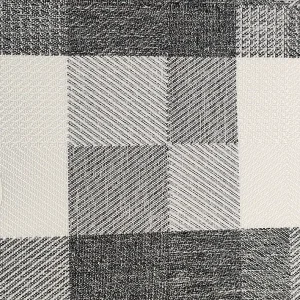
Tissu Dobby

  • Fabriqué à partir de polyester, nylon et cotons recyclés
  • Délai de livraison plus court
  • Des prix intéressants

Tissu Dobby sur mesure en vrac au prix de gros des fabricants

Tissu Dobby en gros

Dobby fabric is a woven textile distinguished by small, repeated geometric motifs and a subtly textured surface. The pattern is engineered directly into the fabric rather than printed onto it, giving dobby constructions lasting visual depth and a more premium appearance.

FabricsTrades supplies custom-made dobby fabric in bulk using recycled polyester, nylon, and cotton. The final weight, texture, drape, breathability, durability, and stretch depend on the selected yarns and weave structure.

Located in the heart of Wujiang District, Suzhou, we operate at the center of one of the world’s most concentrated textile manufacturing hubs. We are not limited to the capacity of a single mill. As a strategic sourcing partner, we can coordinate with thousands of specialized weaving, dyeing, and finishing facilities: if a fabric exists, we can find it; if it does not, we can help you create it.

What Is Dobby Fabric?

Dobby fabric is produced on a dobby loom by selectively raising and lowering groups of warp yarns as the weft passes through the loom. These controlled movements create small woven figures such as diamonds, dots, checks, stripes, grids, ribs, and other repeated geometric textures.

Different warp and weft colors can be combined to increase pattern visibility. Tonal yarns can instead produce a quieter texture that becomes noticeable mainly through light, shadow, and surface relief.

“Dobby” describes the weave construction, not a single fiber composition. Our sourcing range includes dobby fabrics made from recycled polyester, nylon, and cotton. This allows buyers to select the appropriate hand feel, weight, performance, appearance, and care profile for the intended product.

Règlement sur les tissus 2024-2026 & Mise à jour de conformité

Dobby describes a weave rather than a chemical-compliance category. Regulatory obligations therefore depend on the fiber content, dyes, finishes, coatings, intended product, and destination market.

For dobby fabrics made with recycled polyester, nylon, or cotton, buyers should maintain reliable composition, origin, processing, and test documentation. This will become increasingly important as the EU Ecodesign for Sustainable Products Regulation moves textile supply chains toward Digital Product Passports containing product and supply-chain data. See the FabricsTrades overview: https://fabricstrades.com/insight/espr-and-digital-product-passport-for-chinese-fabric-supply-chains/

Chemical compliance requires particular attention when a dobby fabric receives water-repellent, stain-resistant, coated, or other functional finishing. Requirements differ by jurisdiction, and a “C0” or “fluorine-free” supplier declaration should not replace destination-specific third-party testing. Buyers can review the wider 2024-2026 compliance landscape here: https://fabricstrades.com/insight/fabric-regulations-of-the-20242026-global-textile-compliance/

Compliance is not automatic and should not be inferred from the weave name. Before production, FabricsTrades can align documentation and testing requirements with the specified composition, finishing route, final product, and sales market.

Why Source Dobby Fabric Through FabricsTrades?

Located in Wujiang District, Suzhou, we combine factory knowledge with the reach of a specialized textile-sourcing network. While a conventional manufacturer may offer only the constructions available on its own looms, our local access allows us to identify the facility best suited to a specific dobby pattern, composition, weight, finishing process, and order requirement.

This sourcing model offers buyers:

  • Access to recycled polyester, nylon, and cotton dobby options
  • Custom pattern and construction development
  • Faster coordination within an established textile cluster
  • Prix ​​de gros compétitifs
  • Support from sampling through bulk production
  • Consolidated communication across weaving, dyeing, finishing, and testing
  • Compliance planning based on the target market and end use

If an established construction meets your requirements, we can help locate and qualify it. If the required fabric is not available, we can coordinate development from yarn and weave selection through sampling and bulk production.
Why Choose FabricsTrades for Dobby Fabric?

Located in Wujiang District, Suzhou, FabricsTrades operates within one of the world’s most concentrated textile manufacturing hubs. Our position gives buyers direct access to specialized weaving mills, dyehouses, finishing facilities, yarn suppliers, and testing resources. We are more than a single-factory supplier. While conventional manufacturers are limited by their own equipment and available constructions, we can match each project with the production resources best suited to its fiber composition, dobby pattern, weight, hand feel, finishing requirements, order volume, and target price. Choose FabricsTrades for:
  • Custom dobby development from a swatch, garment, image, or technical specification
  • Recycled polyester, nylon, and cotton dobby options
  • Coordinated weaving, dyeing, finishing, sampling, and testing
  • Shorter lead-time coordination within the Wujiang textile cluster
  • Competitive wholesale pricing for bulk orders
  • Support from fabric matching and sampling through bulk production
  • Market-specific testing and compliance-documentation coordination
If the required dobby fabric already exists, we can help source it. If it does not, we can coordinate its development.

Dobby Fabric Use Cases

Dobby fabric can be engineered for apparel, accessories, travel products, and interior textiles. The appropriate construction depends on the fiber composition, fabric weight, pattern scale, density, hand feel, and finishing process.

Shirts, Blouses, and Dresses

Lightweight cotton dobby is suitable for business-casual shirts, resort shirts, women’s blouses, shirt dresses, children’s clothing, and uniform tops. Its woven micro-pattern adds visual interest without requiring a printed design, while suitable constructions can provide breathability and a comfortable hand feel. Buyers should confirm opacity, drape, shrinkage, seam appearance, and colorfastness before bulk production.

Lightweight Outerwear and Utility Apparel

Polyester or nylon dobby can be developed for lightweight jackets, windbreakers, overshirts, utility vests, travel clothing, pocketing, and contrast panels. The woven texture creates a more technical appearance than a basic plain weave. Water repellency, waterproofing, coating, lamination, and wind resistance are separate performance requirements and should be specified during development.

Sacs et accessoires de voyage

Suitable polyester and nylon dobby constructions can be used for handbags, backpacks, packing cubes, cosmetic bags, laptop sleeves, organizers, and accessory linings. Dobby patterns help differentiate the product while concealing minor surface marks better than completely smooth fabrics. For load-bearing applications, buyers should test tensile strength, tear strength, seam slippage, abrasion resistance, and coating adhesion.

Textiles de maison et d'hôtellerie

Cotton or synthetic dobby fabrics can be developed for curtains, cushion covers, tablecloths, runners, bedspreads, towels, bathrobes, and hotel textiles. The woven pattern introduces texture while supporting tonal, minimalist, or decorative interior concepts. Commercial-use products should be evaluated for dimensional stability, repeated-laundering performance, stain management, and colorfastness.

Sustainable and Branded Product Programs

Recycled polyester dobby is suitable for sustainable apparel collections, reusable packaging, branded dust bags, presentation pouches, promotional accessories, and coordinated apparel-and-bag programs. Its woven pattern can create a recognizable visual identity without adding a separate print layer. Recycled-content documentation and applicable transaction records should be specified before order confirmation.

Dobby vs. Jacquard: What Is the Difference?

The principal difference is how the loom controls the warp yarns.
  • On a dobby loom, warp yarns are controlled in groups through the loom’s harnesses. This method is well suited to compact, repeated geometric designs.
  • On a Jacquard loom, individual warp yarns can be controlled separately, enabling larger, more intricate, and more pictorial patterns.
Dobby is often the more efficient choice when a design requires repeatable surface texture without the complexity of a full Jacquard construction. It can provide a distinctive woven identity while remaining suitable for scalable apparel, accessory, and interior-textile production.

Key Properties of Dobby Fabric

The exact properties depend on fiber selection, yarn specification, density, weave structure, and finishing. Across the available constructions, dobby fabric may offer the following characteristics.

Texture

Small woven geometric patterns give the fabric a distinctive tactile and visual surface. The texture can range from subtle tonal relief to clearly defined multicolor motifs.

Poids

Dobby fabric can range from lightweight to heavy, depending on the yarns and weave structure used.

Respirabilité

Open or lighter dobby constructions can permit air circulation, making them suitable for warm-weather garments, shirts, and bedding. Breathability should be confirmed against the final construction rather than assumed from the dobby weave alone.

Durabilité

Dobby fabric can withstand regular wear when appropriate yarn quality, density, and finishing are selected. Actual durability depends on the fiber, weave structure, and end-use requirements.

Capacité d'absorption

Cotton dobby constructions can provide useful absorbency for towels, bathrobes, bedding, and other products where moisture uptake is important.

Élasticité

Dobby fabric can be engineered with a degree of elasticity when stretch-capable yarns or structures are used. Stretch performance must be specified during development because not every dobby construction is inherently elastic.

Aesthetic Versatility

The woven pattern adds visual interest without relying on surface printing. This makes dobby useful for products that require understated texture, durable pattern definition, or a premium woven appearance.

Avantages

  1. Unique texture and aesthetic appeal: Dobby fabric has a distinctive texture and pattern that can add visual interest to clothing and home-decor products.
  2. Respirabilité : Small openings in suitable dobby weave structures allow air circulation, making the fabric a practical option for warm-weather clothing and bedding.
  3. Durabilité: Dobby fabric can be quite durable, depending on the quality of the yarns and weave structure used.
  4. Absorbency: Some dobby constructions, particularly cotton fabrics, are highly absorbent and suitable for towels, bathrobes, and bedding.
  5. Elasticity: Dobby fabric can be made with stretch-capable yarns or structures to provide a degree of elasticity.

Considerations

  1. Cost: Dobby fabric can be relatively expensive because of the specialized weaving technique used to create its patterns.
  2. Limited availability: A specific dobby pattern, composition, or weight may not be as widely available as a basic plain-weave fabric.
  3. Care: Some dobby fabrics require special handling because care requirements vary by fiber and weave structure.
  4. Poids: Certain constructions can be heavier than comparable plain fabrics and may not suit applications requiring minimal weight.
  5. Stretch limitations: Dobby fabric may offer less stretch than fabrics specifically engineered for high-extension applications.

What Is Dobby Fabric Used For?

Dobby fabric is flexible, resistant to creasing, versatile, and slightly stretchy when produced in an appropriate construction. These properties, together with its woven texture, support a broad range of apparel and non-apparel applications.

Shirts and Tailored Tops

Cotton and lightweight dobby constructions are suitable for:
  • Business-casual shirts with subtle tonal checks or micro-geometric textures
  • Resort shirts and warm-weather overshirts
  • Women’s blouses with structured drape
  • Polo-shirt collars, plackets, and contrast panels
  • Uniform shirts requiring a more distinctive surface than plain poplin
  • Premium shirt linings, cuffs, yokes, and pocket details
The woven texture can create visual differentiation while remaining restrained enough for uniforms, private-label collections, and corporate apparel.

Dresses and Fashion Apparel

Lightweight or softly finished dobby fabrics can be developed for:
  • Shirt dresses and tiered dresses
  • Textured summer dresses
  • Blouses with gathered or pleated details
  • Contemporary modest-fashion garments
  • Children’s occasionwear and coordinated sets
  • Decorative panels and contrast components
Before bulk production, buyers should evaluate drape, opacity, seam appearance, shrinkage, and pattern scale on a finished garment sample.

Outerwear and Utility Apparel

Polyester and nylon dobby constructions can be considered for:
  • Lightweight jackets and overshirts
  • Packable windbreakers
  • Utility vests and travel apparel
  • Pocketing and reinforcement panels
  • Casual commuter outerwear
  • Textured shells and linings
Any water-repellent, coated, or laminated performance requirement should be specified separately. A dobby weave alone does not make a fabric waterproof or water repellent.

Sacs et accessoires

The combination of woven texture and potential durability makes suitable dobby constructions useful for:
  • Handbags and cosmetic bags
  • Backpacks and daypacks
  • Travel organizers and packing cubes
  • Laptop sleeves and tablet covers
  • Sacs à cordon
  • Wallet interiors and accessory linings
  • Structured panels or decorative pocket sections
For load-bearing products, tensile strength, tear strength, seam slippage, abrasion resistance, coating adhesion, and colorfastness should be tested against the final application.

Textiles de maison et d'hôtellerie

Cotton or suitable synthetic dobby fabrics may be developed for:
  • Curtains and decorative drapery
  • Tablecloths, runners, and placemats
  • Bedspreads and duvet accents
  • Cushion covers
  • Towels and bathrobes
  • Decorative upholstery panels
  • Restaurant, hotel, and event linens
Hospitality buyers should define laundering frequency, dimensional-stability requirements, stain-management expectations, and commercial colorfastness standards before approving production.

Modern and Niche Applications

Custom dobby development can also support:
  • Textured retail display fabrics
  • Premium reusable packaging
  • Branded dust bags and presentation pouches
  • Small-batch capsule collections
  • Coordinated apparel-and-accessory programs
  • Heritage-inspired workwear
  • Sustainable collections using recycled polyester
  • Breathable fabric components for lifestyle and travel products
  • Tonal geometric textiles for minimalist interiors
  • Private-label products requiring a recognizable woven signature

Custom Dobby Fabric Development

Successful sourcing begins with a clear technical specification. Useful development information includes:
  • Utilisation finale prévue
  • Preferred composition: recycled polyester, nylon, or cotton
  • Target weight
  • Largeur requise
  • Pattern reference or repeat size
  • Norme de couleur
  • Desired hand feel and drape
  • Stretch expectations
  • Required finishing
  • Exigences en matière de tests et de conformité
  • Quantité de commande estimée
  • Target market
  • Delivery schedule
Our Wujiang location provides access to specialized yarn suppliers, dobby weaving facilities, dyehouses, finishing plants, testing resources, and accessory manufacturers. This network supports both fabric matching and custom development while helping buyers consolidate sampling, technical communication, and production coordination through one sourcing partner.

Dobby Fabric Care and Maintenance

Care instructions must always be based on the fiber composition and finishing of the specific fabric.
  1. Read the care label: Washing, drying, and ironing requirements vary according to the yarns and weave structure.
  2. Hand-wash delicate constructions: Use cool water and a gentle detergent when the approved care method calls for hand washing.
  3. Machine-wash with care: Select a gentle cycle and mild detergent. Wash similar colors together and use a laundry bag where appropriate.
  4. Avoid excessive heat: Hot water, high dryer temperatures, or excessive ironing heat may cause shrinkage, distortion, or surface damage.
  5. Air-dry or tumble-dry on low: Air drying can help protect the woven texture. If tumble drying is permitted, use a low-temperature setting.
  6. Iron carefully: Use the temperature recommended for the fiber composition and apply a pressing cloth when necessary.
  7. Store properly: Keep the fabric in a cool, dry location away from prolonged direct sunlight and avoid tight folds that may create permanent creases.
Bulk care claims should be confirmed through wash and dimensional-stability testing on the finished fabric.

Foire aux questions

Is dobby a fabric or a type of weave?

Dobby is a weaving method. It creates small, repeated geometric patterns by controlling groups of warp yarns. The resulting fabric can be made from different fibers, including recycled polyester, nylon, and cotton.

Is dobby fabric breathable?

Some dobby fabrics are breathable, particularly lightweight or open cotton constructions. Breathability depends on fiber content, yarn size, weave density, weight, and finishing, so it should be evaluated on the actual sample.

Does dobby fabric stretch?

Dobby fabric can be slightly stretchy when an appropriate yarn or weave construction is used, but stretch is not an automatic property of every dobby fabric. Buyers requiring specific extension and recovery should include measurable stretch requirements in the technical specification.

Can FabricsTrades create a custom dobby pattern?

Yes. Development can begin from a physical swatch, pattern reference, image, garment sample, or technical brief. Feasibility, repeat size, yarn selection, color arrangement, minimum order quantity, and lead time are confirmed during sampling.

Is recycled dobby fabric available?

FabricsTrades supplies dobby fabric made from recycled polyester, subject to the selected construction and production requirements. Buyers requiring recycled-content claims should specify the documentation and transaction records required for their market or certification program.

How do I verify that dobby fabric meets regulatory requirements?

Provide the intended destination market, end use, composition, and finishing requirements before sampling. Compliance should then be assessed using relevant chemical restrictions, labeling rules, traceability requirements, and current third-party test methods. The weave name alone does not establish compliance.

What information is needed for a quotation?

For an accurate quotation, provide the desired composition, weight, width, pattern, color, finish, quantity, end use, destination market, testing requirements, and delivery schedule. A reference swatch or clear product image can accelerate fabric matching and development.