
Tissu satiné

- Fabriqué à partir de polyester, nylon et cotons recyclés
- Délai de livraison plus court
- Des prix intéressants
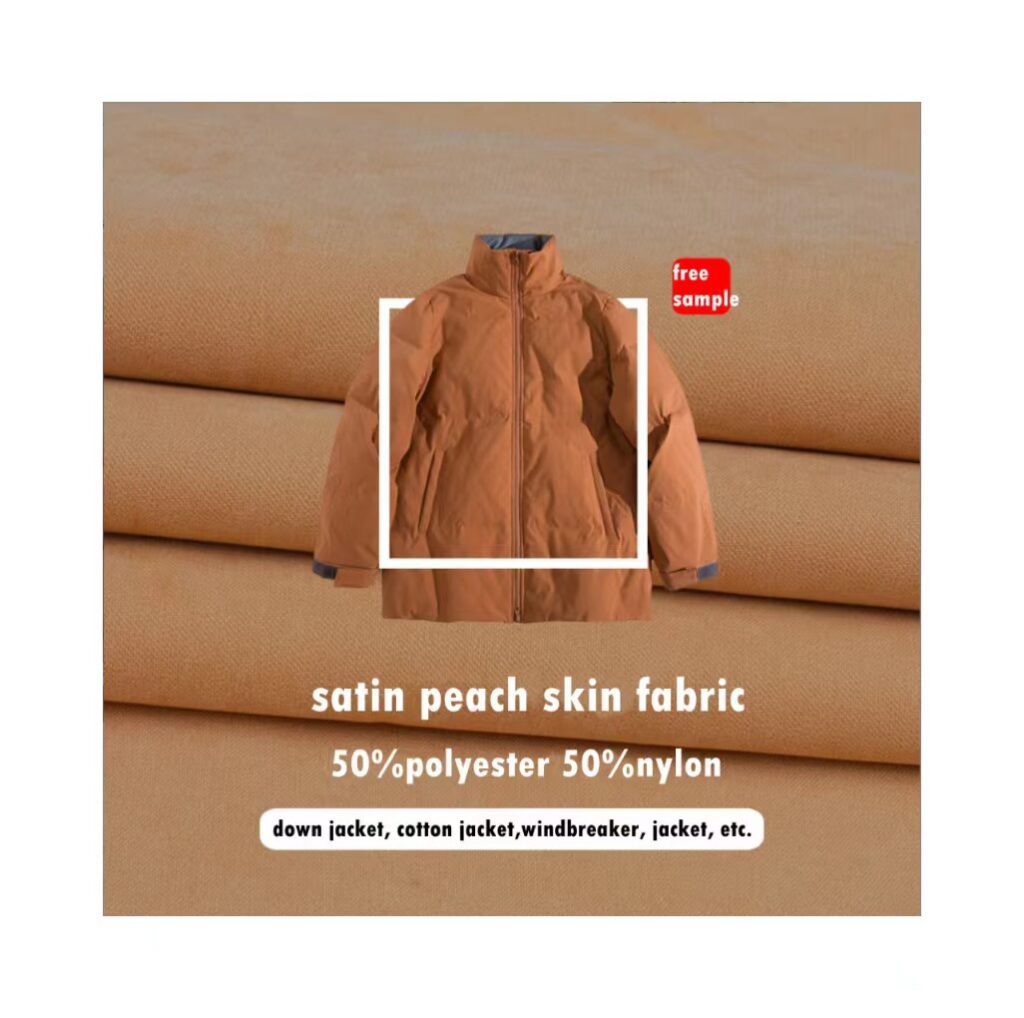
Tissu satiné sur mesure en vrac au prix de gros des fabricants

Custom-Made Sateen Fabric in Bulk at Wholesale Prices
FabricsTrades supplies and sources wholesale sateen fabric for apparel, home textiles, interior decoration, and custom development programs. Sateen is valued for its smooth face, soft hand, fluid drape, and subtle-to-glossy sheen. Depending on the fiber composition, weight, and construction, it can support applications ranging from lightweight blouses and decorative cushions to structured trousers, jackets, and window treatments.
Located in the heart of Wujiang District, Suzhou, we operate at the center of one of the world’s most concentrated textile hubs. We are more than a manufacturer—we are a strategic sourcing partner. While many suppliers are limited to their own looms, our proximity to thousands of specialized factories allows us to locate a broad range of sateen constructions. If the required fabric exists, we can help source it. If it does not, we can help develop it around your composition, weight, color, finish, stretch, and end-use requirements.
Règlement sur les tissus 2024-2026 & Mise à jour de conformité
Sateen is a weave category, so regulatory obligations depend on its fiber composition, chemical finishes, intended product, and destination market. For EU-bound apparel and home-textile programs, the Ecodesign for Sustainable Products Regulation and emerging Digital Product Passport framework increase the importance of reliable composition, process, durability, and supply-chain data. Buyers should begin organizing product-level records for cotton, rayon, polyester, recycled content, dyeing, printing, and finishing processes rather than relying on general supplier declarations.
https://fabricstrades.com/insight/espr-and-digital-product-passport-for-chinese-fabric-supply-chains/
Le plus large 2024-2026 global textile compliance landscape also requires market-specific review of chemical restrictions, labeling, traceability, and substantiation of environmental claims. Untreated sateen is not inherently a PFAS fabric; however, water-, oil-, or stain-repellent finishes may introduce additional chemical-compliance risks. Any compliance claim should therefore be supported by the appropriate bill of materials, finishing declaration, and shipment- or specification-matched testing rather than inferred from the word “sateen.”
https://fabricstrades.com/insight/fabric-regulations-of-the-20242026-global-textile-compliance/
Why Choose Us for Sateen Fabric?
Strategic Sourcing in Suzhou’s Textile Hub
Located in Wujiang District, Suzhou, FabricsTrades connects buyers with one of the world’s most concentrated textile manufacturing networks. We can source existing sateen fabrics or help develop a custom construction when standard options do not meet your needs.Multiple Sateen Options
Our sourcing capabilities cover cotton sateen, rayon sateen, polyester sateen, and cotton-spandex stretch sateen. Available options can support apparel, children’s clothing, trousers, dresses, shirts, jackets, bedding, cushions, and window treatments.Développement de tissus personnalisés
Tell us your target composition, weight, width, stretch, color, print, sheen, hand feel, and end use. We will evaluate suitable constructions and coordinate sampling for your product development program.Reliable Quality Matching
Sateen performance varies by fiber, yarn, weave, and finishing process. We help buyers confirm critical requirements such as surface smoothness, luster, drape, stretch recovery, color consistency, and care performance before bulk production.Flexible and Efficient Sourcing
Our proximity to specialized weaving, dyeing, printing, and finishing factories gives us greater sourcing flexibility. This helps shorten communication and development cycles while maintaining competitive wholesale pricing.Compliance-Focused Support
For destination markets with specific textile requirements, we can help coordinate composition records, finishing declarations, traceability documents, and relevant testing. This is especially important for recycled content, chemical finishes, and EU-bound textile products.
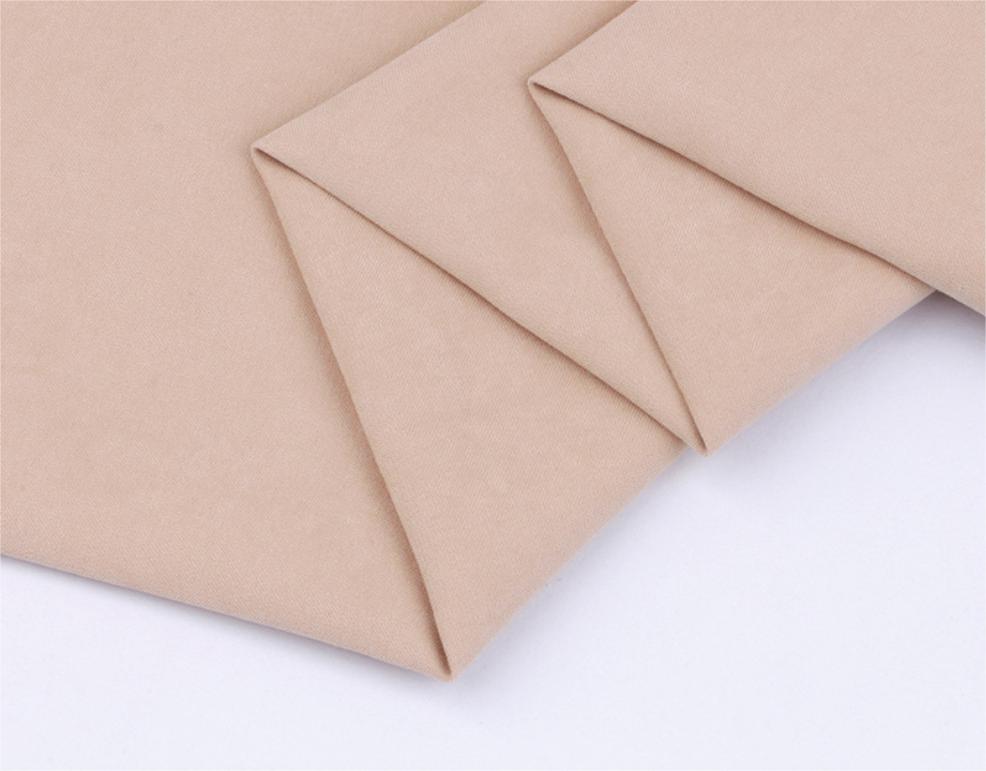
Sateen Fabric Use Cases
Sateen combines a smooth surface, elegant sheen, soft hand, and graceful drape. Its applications vary according to fiber composition, fabric weight, stretch, and finishing.Vêtements de mode
Cotton and rayon sateen work well for blouses, shirts, dresses, skirts, lingerie, and children’s occasionwear. Their polished appearance suits both everyday collections and more refined garments.Tailored and Stretch Garments
Cotton-spandex sateen provides structure with added flexibility, making it suitable for fitted trousers, pencil skirts, shirt dresses, uniforms, cropped jackets, and other garments requiring comfort and shape retention.Occasionwear and Costume Design
Polyester sateen can be used for evening dresses, stage costumes, decorative garment panels, statement sleeves, and coordinated event apparel. Its lustrous face helps create a premium visual effect.Textiles de maison et d'intérieur
Depending on its weight and construction, sateen is suitable for curtains, window coverings, cushions, bedding accents, and decorative interior panels. Polyester options are especially practical for decorative and hospitality applications.Printed Collections
The smooth fabric surface supports floral, geometric, abstract, and large-scale fashion prints. Sateen can be used for digitally or traditionally printed resortwear, capsule collections, accessories, and coordinated home décor.Commercial and Niche Applications
Sateen is also appropriate for premium hospitality uniforms, beauty and retail workwear, luxury presentation pouches, theatrical textiles, boutique craft projects, and small-batch designer collections.Tissu Satiné en gros
Sateen is a weft-faced woven fabric recognized for its smooth surface and lustrous appearance. It is produced with spun yarns rather than the continuous filament yarns traditionally associated with satin. Its longer surface floats reflect light and create a soft, silk-like face, while the reverse side is generally more matte. Available sateen constructions can use cotton, rayon, polyester, and stretch blends. This versatility makes sateen suitable for fashion collections, children’s clothing, tailored garments, soft furnishings, bedding, and decorative textile programs.What Is Sateen Fabric?
“Sateen” describes the fabric’s weave rather than one fixed fiber composition. The construction places more weft yarn on the face of the cloth, producing the characteristic smooth hand, glossy sheen, and elegant drape. Cotton and rayon are common short-staple raw materials for sateen. Polyester is also used in constructions such as Chinese brocade sateen and shantung sateen. Stretch sateen incorporates elasticity to improve comfort and mobility in fitted garments. Compared with many satin fabrics, sateen can provide a similar smooth visual effect at a more accessible price point. Its performance, care requirements, breathability, and durability depend on the selected fiber, yarn quality, weight, finishing process, and intended application.Types de tissu satiné
Satin de brocart chinois
Chinese brocade sateen is made entirely from polyester. Its lightweight construction makes it suitable for skirts, dresses, cushions, and window treatments. For modern collections, it can also be considered for decorative occasionwear panels, statement sleeves, structured accessories, theatrical costumes, boutique cushion covers, hospitality accents, and coordinated interior textile programs.Japanese Spring Sateen / Cosmo
Japanese spring sateen, also known as Cosmo, is made entirely from cotton. It is commonly used for window coverings, shirts, blouses, dresses, and skirts. Its cotton composition and polished surface make it relevant to premium shirting, softly tailored day dresses, children’s occasionwear, printed resortwear, matching separates, lightweight curtains, decorative café curtains, and small-batch craft collections.Milly Coton Pluie
Milly cotton sateen is made entirely from cotton and is commonly used for dresses, shirts, and blouses. Design teams may also use it for structured shirt dresses, fitted bodices, polished co-ord sets, smart-casual uniforms, children’s formalwear, fashion collars and cuffs, or garments requiring a smoother and more elevated appearance than conventional plain-weave cotton.Satin de chantoung
Shantung sateen is a 100% polyester fabric used for window coverings, beds, dresses, skirts, coats, and jackets. Its broad application range makes it suitable for decorative drapery, bed accents, occasion dresses, architectural skirts, structured outerwear, costume design, event textiles, hospitality décor, and coordinated residential furnishing collections.Stretch Sateen / Cotton Spandex
Stretch sateen, also known as cotton spandex, is a relatively heavyweight cotton sateen fabric. Elasticity is incorporated into the construction to provide a degree of stretch. This construction is especially useful for fitted trousers, cigarette pants, pencil skirts, structured dresses, cropped jackets, stretch uniforms, fashion workwear, riding-inspired garments, maternity panels, and size-inclusive apparel that requires shape retention with improved freedom of movement.What Is Sateen Fabric Used For?
Sateen can be engineered for both formal and casual products. The most appropriate construction depends on the desired weight, drape, stretch, sheen, breathability, abrasion resistance, and care performance.Mode et vêtements
- Women’s blouses, shirts, dresses, skirts, and lingerie
- Men’s and women’s formal or smart-casual clothing
- Children’s clothing and occasionwear
- Structured shirt dresses and polished matching sets
- Tailored stretch trousers and fitted pants
- Pencil skirts, fitted bodices, and cropped jackets
- Coats and fashion jackets made with suitable heavyweight constructions
- Bridal-party garments, evening separates, and occasionwear
- Resortwear featuring botanical, geometric, or large-scale prints
- Premium linings, trims, collars, cuffs, and contrast panels
Interiors and Home Textiles
- Curtains, window coverings, and decorative drapery
- Cushions and coordinated cushion-cover collections
- Bedding and decorative bed accents
- Boutique hotel and hospitality textiles
- Event décor, display textiles, and theatrical soft goods
- Decorative wall panels and seasonal interior collections
Specialized and Niche Applications
- Performance-informed fashion trousers made with stretch sateen
- Adaptive apparel requiring easier movement without a highly technical appearance
- Premium uniforms for hospitality, retail, beauty, and front-of-house teams
- Small-batch digitally printed fashion collections
- Museum, theatre, film, and costume-department sourcing
- Luxury packaging pouches and textile presentation accessories
- Coordinated garment-and-interior capsule collections
- Craft, quilting, and designer home-sewing programs
What Raw Materials Are Used for Sateen Fabric?
Sateen is generally woven from spun yarns containing short-staple fibers rather than filament yarns. Cotton and rayon are the two principal short-staple materials associated with sateen, while specific constructions may use polyester. Cotton or rayon may undergo processes such as mercerization, carding, or combing to help produce a cleaner, smoother, and more silk-like surface. The selected yarn and processing route influence the final fabric’s luster, softness, uniformity, strength, print quality, and appearance after laundering. For sourcing programs, buyers should define the required fiber composition rather than requesting “sateen” alone. A complete specification should also identify the fabric weight, usable width, stretch requirement, color or print standard, finishing expectations, end use, order quantity, and applicable testing requirements.History and Origin of Sateen Fabric
Sateen-related weaving techniques have existed for nearly a thousand years. Early lustrous fabrics were closely associated with silk, and weaving knowledge spread westward after the development of Silk Road trade. Modern sateen is widely used to create smooth-faced fabrics from spun fibers, particularly cotton and rayon. Polyester constructions have further expanded its use across garments, furnishings, decorative textiles, and cost-sensitive commercial programs.How Much Does Sateen Fabric Cost Per Yard?
The average market price of sateen fabric ranges from $7 to $20 per yard, depending on its type and design. Actual wholesale quotations may vary according to fiber composition, fabric weight, width, yarn specification, dyeing or printing method, stretch content, finishing requirements, testing, packaging, order volume, and production schedule.Advantages and Limitations of Sateen Fabric
Avantages
- Cotton sateen can help maintain a comfortable temperature and is breathable.
- It wrinkles over time, but the wrinkles can be managed. The fabric drapes beautifully and folds softly.
- Its face has a smooth, soft, and silky texture similar to satin and natural silk fabric.
- It is sufficiently durable to withstand some damaging factors. Whether printed or solid, it retains color well and can continue to look new after numerous machine washes.
- Because sateen is usually made from natural cotton, it does not typically trigger allergic reactions.
Limitation
- Some sateen fabrics can make a swooshing or crinkling sound when pressed or moved. The level of noise varies between constructions, in a way similar to the crinkling sometimes associated with percale fabric.
Sateen Fabric Care and Maintenance
- Lisez l'étiquette d'entretien. Always follow the instructions established for the specific composition, dye, print, and finish.
- Machine-wash with care. Sateen can usually be machine-washed using a gentle cycle and cold water. Wash it separately or with similar colors to reduce the risk of bleeding or color transfer.
- Utilisez un détergent doux. Select a detergent formulated for delicate fabrics. Avoid bleach and fabric softeners, which may cause discoloration or damage.
- Hang or lay flat to dry. Avoid high dryer temperatures, which can damage the fabric. Dry it in a well-ventilated area.
- Iron at low heat. Iron on the reverse side to help protect the fibers and surface sheen. Test a small, inconspicuous area first.
- Store properly. Keep sateen in a cool, dry place. Fold or roll it and use a breathable storage bag. Avoid prolonged hanging when this could cause stretching or distortion.
Considérations environnementales
The environmental impact of sateen depends on its fiber source, manufacturing route, useful life, and end-of-life management. Conventional cotton cultivation can require significant water and may involve pesticides and other agricultural chemicals. Organic cotton is grown without synthetic pesticides or fertilizers and can offer an alternative for programs with defined sustainability requirements. Recycled polyester is another available option for selected sateen constructions. Dyeing, finishing, water use, energy consumption, and chemical management also influence a fabric’s environmental profile. Buyers should request evidence that corresponds to their actual claims, such as material documentation, transaction or chain-of-custody records, test reports, and production-level traceability. At end of life, blended fabrics can be more difficult to recycle than mono-material constructions. Product teams should therefore consider durability, repairability, material separation, and responsible disposal during the design and sourcing stages.Current Sateen Fashion and Design Trends
Color Direction
Pastels, earthy colors, jewel tones, and enduring neutrals such as black, white, and beige remain relevant to sateen collections. The fabric’s surface enhances color depth and can make both soft and saturated shades appear more dimensional.Print Direction
Sateen supports diverse decorative concepts, including large-scale tropical designs, abstract artwork, animal prints, geometric motifs, and delicate florals. Print suitability should be confirmed through strike-offs or sample yardage before bulk production.Silhouettes
Sateen is used for blouses, dresses, skirts, pants, blazers, and suits. Current applications span relaxed silhouettes, oversized shirts, fluid daywear, and more structured tailored pieces. Stretch sateen is especially useful when a fitted silhouette must balance polish with mobility.Design Aesthetics
The fabric can support minimalist, romantic, vintage-inspired, bohemian, formal, and contemporary design languages. Its luster can create a premium effect, while its practical durability allows it to be used beyond luxury or occasionwear.Strategic Sateen Sourcing from Suzhou
FabricsTrades combines manufacturing knowledge with access to the specialized textile network of Wujiang District, Suzhou. This positioning allows us to support both established specifications and harder-to-find constructions across cotton, rayon, polyester, recycled materials, and stretch options. For an efficient sourcing review, provide:- Composition requise
- Target fabric weight and usable width
- Direction de l'étirement et exigences de récupération
- Color standard, print artwork, or physical reference
- Desired hand feel and sheen
- Garment or interior end use
- Required testing and target market
- Quantité de commande estimée
- Target delivery schedule