
Tissu Voile

- Fabriqué à partir de polyester, nylon et cotons recyclés
- Délai de livraison plus court
- Des prix intéressants

Custom Made Voile Fabric in Bulk at Wholesale Price from Manufacturers


Custom-Made Voile Fabric in Bulk at Wholesale Prices
Source lightweight voile fabric for apparel, accessories, window treatments, event décor, and soft furnishings. FabricsTrades supports wholesale buyers with fabric selection, sampling, color development, printing, finishing, quality control, and export coordination.
Our available catalog includes the products displayed below. Contact our team with your target fiber composition, color, width, weight, finish, application, order quantity, and compliance market for an accurate quotation.
Wholesale Voile Fabric Supplier in China
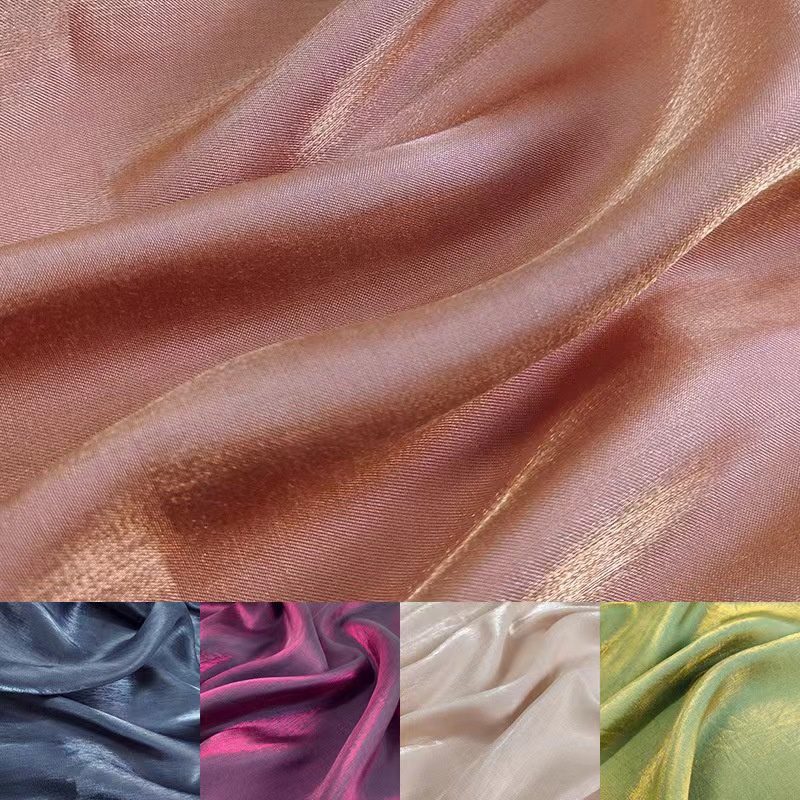
Voile is a lightweight, plain-weave fabric traditionally produced from high-twist combed yarns. Its relatively high thread count gives the surface a soft, smooth hand while preserving the breathability and gentle transparency associated with voile.
Traditional voile is made from 100% cotton. Commercial varieties may also use cotton blended with polyester or linen, enabling buyers to balance softness, drape, dimensional stability, durability, care requirements, and price. Voile is available in solid colors, printed patterns, crushed textures, and sheer constructions.
China, India, and Pakistan are major voile-producing markets. China has a particularly extensive supply base for cotton, polyester, nylon, recycled fibers, dyeing, printing, and textile finishing.
FabricsTrades is located in the heart of Wujiang District, Suzhou—one of the world’s most concentrated textile manufacturing hubs. We are not limited to the capacity of a single mill. While we own a four-way stretch fabric factory, we also operate as a strategic sourcing partner with access to thousands of specialized weaving, knitting, dyeing, printing, and finishing facilities. If a suitable fabric exists, we can help locate it. If it does not, we can help develop it around your performance, appearance, cost, and compliance requirements.
What Is Voile Fabric?
Voile is a fine, lightweight woven fabric made with a plain-weave structure. The use of high-twist combed yarns helps create its smooth texture, light drape, and slightly crisp—but not rigid—character.
Depending on its fiber composition, yarn specification, density, and finishing route, voile may range from softly translucent to distinctly sheer. Cotton voile is valued for breathability and a natural hand. Cotton-polyester constructions may offer improved dimensional stability and easier care, while cotton-linen blends can provide a drier, more textured appearance.
Because voile is lightweight and breathable, it is particularly suitable for warm-weather clothing and layered designs. Its transparency should be evaluated during sampling, especially when the finished product requires lining, modesty, light diffusion, or controlled opacity.
Règlement sur les tissus 2024-2026 & Mise à jour de conformité
Voile used for apparel, curtains, accessories, and home textiles must be evaluated according to its fiber composition, dyes, prints, finishes, intended use, and destination market. A fabric’s name alone does not establish compliance.
Le 2024-2026 Global Textile Compliance guide highlights expanding chemical restrictions, PFAS controls, supply-chain traceability expectations, and market-specific testing requirements. For conventional untreated voile, PFAS may not be functionally necessary; however, water-repellent, stain-resistant, oil-repellent, easy-clean, or other performance finishes require additional scrutiny. Buyers should request current test reports and confirm that both intentional formulations and processing-line contamination are controlled.
Le ESPR and Digital Product Passport guide explains the EU’s movement toward more detailed product-level sustainability, material, chemical, and supply-chain data. Brands sourcing cotton, polyester, blended, or recycled voile should begin organizing fiber-composition records, supplier declarations, batch identification, processing information, recycled-content evidence where applicable, and other traceability documents needed for future Digital Product Passport workflows.
Compliance must be confirmed for the finished article and its destination market. FabricsTrades can help coordinate specifications, supplier documentation, and third-party testing, but buyers and importers should validate the final regulatory requirements applicable to their products.
Why Choose Us for Voile Fabric?
Access to Specialized Textile Mills
Based in Wujiang, Suzhou, we work closely with specialized weaving, dyeing, printing, and finishing mills. This network allows us to source cotton voile, polyester blends, linen blends, crushed voile, sheer voile, and custom constructions.Prise en charge du développement personnalisé
Share your target composition, weight, width, color, transparency, hand feel, or reference sample. We can help identify an existing voile quality or develop a custom option for apparel, curtains, accessories, and decorative textiles.Contrôle de qualité cohérent
We can coordinate sample approval and bulk-production inspection for key requirements such as fabric width, weight, color, shrinkage, drape, opacity, print quality, and dimensional stability.Competitive Wholesale Sourcing
Our location within a major textile manufacturing hub gives buyers access to multiple production routes and competitive pricing. We match each project with suitable suppliers based on quality, quantity, budget, and lead time.Prise en charge de la conformité et de la traçabilité
For export orders, we can help coordinate fiber-composition records, supplier declarations, recycled-content documentation, and third-party testing according to the agreed specification and destination market.Responsive, Flexible Service
From initial fabric selection and lab dips to sampling, bulk production, packing, and shipping, our team provides practical support throughout the sourcing process. Whether you need a standard voile fabric or a specialized development, we help move the project forward efficiently.
Applications et cas d'utilisation modernes
Warm-Weather Fashion
Voile is well suited to garments that require airflow, softness, and low fabric weight. Relevant applications include:- Resortwear tunics and kaftans
- Relaxed summer shirts
- Tiered and gathered dresses
- Semi-sheer blouses
- Lightweight skirts
- Beach cover-ups
- Nightgowns and sleepwear shells
- Scarves, wraps, and head coverings
- Lingerie overlays
- Decorative hat components
Vêtements de mariée et de cérémonie
Cotton and blended voile can create softer, more natural-looking overlays than rigid transparent fabrics. It can be considered for:- Informal bridal veils
- Layered sleeves
- Capelets and shoulder coverings
- Flower-girl dresses
- Romantic skirt overlays
- Destination-wedding apparel
- Decorative bows and fabric flowers
Childrenswear
Soft cotton voile can be used for lightweight children’s dresses, bloomers, shirts, bonnet details, and layered summer garments. Because lightweight fabrics may be transparent or delicate, buyers should specify appropriate lining, seam construction, attachment strength, and applicable chemical-safety testing for the destination market.Home Textiles and Hospitality
Voile’s ability to soften incoming light makes it useful in residential, hotel, restaurant, and event environments. Applications include:- Sheer curtain panels
- Layered window treatments
- Tablecloths and table runners
- Table overlays
- Bed canopies
- Decorative partitions
- Boutique fitting-room screens
- Restaurant window dressing
- Hotel-room accent drapery
- Photography-studio diffusion panels
Retail, Events, and Visual Merchandising
Lightweight voile can provide volume and movement without adding substantial structural weight. It is suitable for:- Suspended retail displays
- Wedding and banquet draping
- Exhibition-booth decoration
- Stage-set layers
- Product-launch backdrops
- Ceiling installations
- Photo-shoot styling
- Seasonal shop-window displays
Printing, Embroidery, and Surface Design
Voile can support digital or screen-printed patterns, depending on fiber composition and pretreatment. It is also used for fine embroidery, appliqué, pintucks, hemstitching, smocking, and decorative gathering. Development samples should be reviewed for:- Print penetration and sharpness
- Color yield
- Fabric distortion
- Needle damage
- Embroidery puckering
- Seam visibility through sheer areas
- Hand-feel changes after finishing
History of Voile Fabric
Voile originated in France, and its name comes from the French word voile, meaning “veil.” Early voile fabrics were made from 100% cotton and were prized for their delicacy, breathability, and soft transparency. As demand expanded across apparel and interior applications, manufacturers began introducing polyester and other blended fibers. These developments gave designers more options for durability, wrinkle behavior, print performance, color consistency, and cost while retaining voile’s recognizable lightweight character.Types of Voile Fabric
Crushed Voile
Crushed voile has a deliberately textured, softly creased surface. It is lightweight and flexible, with a less formal appearance than smooth voile. The texture helps disguise minor wrinkles and creates visual depth when the fabric is gathered or layered. Crushed voile is often selected for:- Decorative window panels
- Canopy and bed draping
- Event backdrops
- Table overlays
- Lightweight room dividers
- Soft furnishing accents
Sheer Voile
Sheer voile is a fine, translucent construction used when light transmission and soft visual screening are required. It diffuses daylight without creating the stiffness associated with organza. Common applications include:- Residential and hospitality curtains
- Layered drapery systems
- Café curtains
- Bed canopies
- Bridal veils and overlays
- Lightweight apparel panels
- Exhibition and event installations
Voile Fabric Properties
Avantages
- Flexible
- Léger
- Pur
- Respirant
- Drapes lightly
Limites
- Delicate
- susceptible de rétrécir
- Easy to wrinkle
- Uncomfortable when wet
Voile Compared with Chiffon and Organza
Voile, chiffon, and organza are all lightweight fabrics, but they create different results. Voile generally has a soft, breathable hand and a matte or softly lustrous surface. It is less slippery than chiffon and less stiff than organza. Cotton voile is particularly suitable when natural comfort and warm-weather performance are priorities. Chiffon typically has a more fluid, floating drape and can be more difficult to cut and sew because of its slippery surface. Organza is crisper and more structured, making it suitable for designs that need volume or shape retention. The best choice depends on the required transparency, drape, surface appearance, fiber content, sewing process, care method, and finished-product performance.Care Instructions for Voile Fabric
Always follow the care label approved for the specific fiber composition, dye, print, and finish.- Hand washing: Wash in cool or lukewarm water with a gentle detergent. Avoid hot water and bleach, which may damage or discolor the fabric.
- Machine washing: If machine washing is permitted, use cold water, a mild detergent, and a gentle cycle. Wash with similar colors and avoid abrasive items.
- Séchage: Air-dry the fabric by hanging it carefully or laying it flat on a clean towel. High dryer temperatures may cause shrinkage or damage.
- Repassage: Iron on the wrong side at a low-to-medium temperature. Use a pressing cloth to protect delicate fibers and surface finishes.
- Stockage: Fold voile neatly and keep it in a cool, dry place away from direct sunlight. Prolonged hanging may stretch delicate constructions.
Tips for Sewing Voile Fabric
- Pre-wash when appropriate: Pre-washing can reveal shrinkage or color bleeding before cutting. Follow the approved care method for the specific fabric.
- Use sharp cutting tools: Dull scissors or rotary blades may pull, distort, or snag fine yarns.
- Choose a fine needle: A sharp universal needle in size 70/10 or 80/12 is commonly suitable. A fine Microtex needle may improve penetration in tightly woven constructions.
- Control the fabric during cutting: Cut on a stable, flat surface. Fine pins or fabric clips should remain within the seam allowance where possible.
- Reduce machine pressure: Lower presser-foot pressure and sew at a controlled speed to reduce stretching, puckering, and feed distortion.
- Test stitch settings: Confirm needle size, thread, stitch length, tension, and seam type on a production offcut before sewing finished panels.
- Finish raw edges: A fine overlock, narrow zigzag, French seam, or other lightweight seam finish can help control fraying.
- Press carefully: Use low heat, a pressing cloth, and minimal pressure. Excess heat or steam may shrink or distort the fabric.
- Stabilize critical areas: Necklines, plackets, button zones, and closures may require lightweight interfacing selected to preserve the fabric’s drape.
Custom Voile Fabric Sourcing and Development
To recommend an appropriate voile construction, our sourcing team may request:- Target fiber composition
- Fabric width and weight
- Required transparency or opacity
- Solid-dyed, yarn-dyed, printed, or crushed appearance
- Color standard or Pantone reference
- Intended garment or interior application
- Exigences de retrait et de solidité des couleurs
- Hand-feel and drape target
- Exigences de finition
- Marché de destination
- Required testing or certification
- Sample quantity and projected bulk volume