


Shiny 77% spun rayon / 23% polyester sheer voile organdy fabric with a crisp, polished structure and translucent, glossy appearance. This 133gsm, 150cm-wide, plain-dyed fabric is intended for garments, bridal and occasion designs, overlays, decorative elements, and selected home-textile applications.
Pour les nouveaux clients, nous effectuons généralement un acompte de 30 % et 70 % avant l'expédition via T/T ; Pour les clients réguliers, nous envisagerions L/C. D'autres conditions de paiement peuvent être négociées.
Modes de paiement pour l'achat d'échantillons :

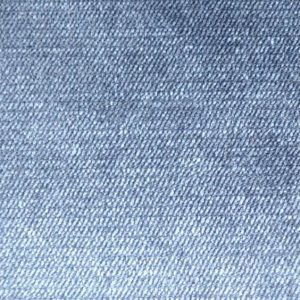
This shiny 77% spun rayon / 23% polyester sheer voile organdy fabric combines a translucent voile appearance with the crisp, polished body associated with organdy. The surface has a glossy visual effect that can add dimension and elegance to garments, bridal designs, decorative overlays, and selected home-textile products.
The spun rayon contributes softness, while the polyester component adds strength and durability. At 133gsm and 150cm wide, the fabric is plain dyed and can be produced in colors according to customer requirements.
| Spécification | Informations disponibles |
|---|---|
| Nom du produit | Shiny 77% Spun Rayon / 23% Polyester Sheer Voile Organdy Fabric |
| Type de tissu | Sheer voile/organdy fabric |
| Composition | 77% spun rayon, 23% polyester |
| Construction | The product page describes an organdy weave with a crisp, polished structure |
| Dyeing Technics | Plain dyed |
| Poids | 133gsm |
| Largeur | 150 cm |
| Densité | Listed as “many” in the source; the exact yarn or thread density should be confirmed before ordering |
| Apparence | Sheer, glossy, shiny, and translucent |
| Hand Feel and Structure | Soft hand feel with lightweight texture and crisp body |
| Source-Described Properties | Breathable, durable, and long-lasting |
| Color Options | Selon les exigences du client |
| Primary Uses | Clothing and decoration |
| Additional Source-Listed Uses | Dresses, skirts, wedding and bridal products, lining, garments, home textiles, sofa applications, bags, bedding, and luggage; suitability depends on how the fabric is incorporated |
| Quantité minimale de commande | 1,500 meters per color |
| Temps de trempage en laboratoire | Normalement 3 à 5 jours |
| Échantillon d'approbation de couleur unie | Normalement 7 à 10 jours |
| Bulk-Production Lead Time | 3 à 20 jours |
| Stated Daily Output | Jusqu'à 150 000 mètres |
| Stated Monthly Capacity | Plus de 3 millions de mètres |
| Standard Roll Packing | 50m, 100m, or 200m per roll |
| Custom Packing | Available according to customer requirements |
| Usual 20GP Loading Quantity | Approximately 80,000 meters |
| Usual 40GP Loading Quantity | Approximately 120,000 meters |
| Méthodes d'expédition | Fret express et maritime |
| Yard Conversion | 1 mètre = 0,9144 mètre |
Specifications, capacity, container loading quantities, and lead times should be reconfirmed for the selected color, packaging method, order quantity, and production schedule.
The spun-rayon component provides the soft, comfortable character described on the original product page. The polyester component contributes strength and durability, helping the fabric retain practical value in garments and decorative products.
The blend should not be interpreted as proof of a particular shrinkage rate, colorfastness grade, abrasion result, or wash-performance level. Buyers should confirm the required test standards for their end product and destination market.
The fabric is designed to create a translucent visual effect with a noticeable glossy surface. This makes it useful when the design requires light transmission, visible layering, or a polished decorative accent.
Because the material is sheer, the selected color, lighting, number of layers, garment construction, and underlying fabric can all affect its final appearance. Buyers should review a physical sample in the intended color before approving bulk production.
The source describes an organdy weave that gives the fabric a crisp, polished finish with structure and body. This character can support shaped sleeves, overlays, gathered details, bows, layered skirts, and decorative elements where a more defined silhouette is preferred over a fluid drape.
The fabric can be used for dresses, skirts, fashion garments, sleeves, translucent panels, ruffles, gathered details, and layered silhouettes. Its sheen supplies a polished visual accent, while the crisp organdy body can help create volume and definition.
For dresses or skirts requiring full coverage, a lining or opaque underlayer will normally need to be evaluated. Designers should also check whether the fabric’s crispness produces the intended movement and silhouette before selecting it for an entire garment.
For wedding, bridal, evening, and occasion products, the shiny surface and translucent structure can work well for overlays, detachable layers, bows, sleeves, decorative panels, veils, and structured skirt details.
The exact visual effect will depend on color, layering, lighting, and the base fabric used beneath it. A garment prototype is recommended to confirm transparency, seam visibility, stiffness, and interaction with embellishments.
The product page lists lining among the possible uses. In practice, its suitability will depend on whether the project requires a sheer visible layer, a decorative lining, or a conventional concealed lining.
Because the fabric is described as crisp and shiny, it may not behave like a smooth, low-friction lining fabric. Buyers should test it against the shell material and confirm comfort, opacity, static behavior, seam performance, and movement.
The material may be considered for decorative draping, event décor, window treatments, bows, table accents, layered home-textile details, and decorative sofa elements. Its translucent surface can interact with light, while its crisp structure helps decorative shapes remain defined.
The source also lists sofa, bedding, bag, and luggage applications. For these categories, the fabric is more appropriately evaluated as an overlay, lining, or decorative accent unless testing confirms that it can withstand the required abrasion, seam loading, cleaning, and service conditions. It should not automatically be treated as heavy-duty upholstery or a load-bearing luggage shell.
Colors can be developed according to customer requirements. The page also states that OEM service is available depending on the request and that logo customization may be possible.
Logo application, printing, embroidery, special finishing, alternative specifications, and packaging should be treated as project-specific options. Confirm technical feasibility, MOQ, cost, and lead time before sampling.
Actual timing depends on color development, sample requirements, quantity, raw-material availability, production scheduling, and final approval.
The stated MOQ is 1,500 meters per color. The product page states daily output of up to 150,000 meters and monthly production capacity of more than 3 million meters.
Capacity should be reconfirmed for this specific construction and the requested delivery window, particularly for custom colors, special processing, or split shipments.
Standard packing options are rolls of 50m, 100m, or 200m. Packing details may also be adjusted according to customer requirements.
The page lists customary loading quantities of approximately:
Final loading quantity depends on roll length, fabric width, packing materials, roll diameter, container utilization, and shipping requirements.
For first-time customers, the page generally states 30% deposit and 70% balance by T/T. However, it gives two descriptions of the balance-payment trigger: one says payment before shipping, while another says payment upon receipt of a copy of the bill of lading. Confirm the applicable term in the proforma invoice before placing the order.
For repeat customers, L/C may be considered, and other payment arrangements may be negotiated.
Pricing depends on quantity and quality requirements. The page describes three online quantity-price brackets and indicates that larger quantities generally receive more favorable pricing. Request a project quotation based on the final specification, color, quantity, packaging, and delivery terms.
FabricsTrades is located in Wujiang District, Suzhou, within one of the world’s most concentrated textile manufacturing regions. In addition to operating its own 4-way stretch fabric factory, the company works with specialized weaving, knitting, dyeing, printing, coating, finishing, and garment-support facilities throughout the local supply chain.
This regional access allows the team to help buyers evaluate colors, constructions, finishes, packaging, alternative fabrics, and project-specific development routes when a standard product does not fully meet the intended application. Availability and feasibility must be confirmed for each request.
The existing product page also states more than 10 years of experience in polyester taffeta, satin, Oxford fabric, and related textile categories, and references customer experience in the Middle East, South America, and Europe.
Factory visits are welcome. The page states that pickup from the airport or station can also be arranged; confirm the visit schedule and pickup details in advance.
Buyers placing garments or textile products on the EU market may need to prepare for product-information, composition, traceability, substances-of-concern, and supporting-document requirements associated with the ESPR et Passeport Produit Numérique.
Requirements may also vary across the EU, United States, and other destination markets. The 2024–2026 Global Textile Compliance overview provides broader context for sourcing teams reviewing restricted substances, product documentation, and market-specific obligations.
These resources do not prove that this fabric is certified or legally compliant. Requirements depend on the final garment or product, destination market, dyeing and finishing route, intended use, production batch, and date of sale.
Before sampling or bulk production, communicate any required RSL, chemical restriction, retailer protocol, traceability standard, or testing method. Contact FabricsTrades to confirm whether relevant technical data, test reports, certificates, declarations, batch information, or third-party testing support can be provided for the final specification.
It is a 133gsm, 150cm-wide sheer fabric made from 77% spun rayon and 23% polyester. It is plain dyed and combines a glossy appearance with a crisp organdy structure.
A lining or underlayer should be evaluated when opacity is required. The fabric is intentionally sheer, so the chosen color, garment design, number of layers, and intended coverage will determine the appropriate construction.
Normally, a lab dip takes 3–5 days. A plain-color approval sample normally takes 7–10 days.
Yes. OEM service depends on the buyer’s requirements, and logo customization may be available. Confirm the proposed technique, design, MOQ, cost, and lead time before development.
The product page states that monthly production capacity has reached more than 3 million meters. Capacity for the required specification and delivery window should be confirmed when ordering.
The stated mass-production lead time is 3–20 days. Timing depends on quantity, color approval, customization, material availability, and the production schedule.
Yes. Factory visits are welcome, and pickup from the airport or station may be arranged. Contact FabricsTrades in advance to confirm the visit and transportation details.
The price is determined according to quantity and quality requirements. The page describes three quantity-based online price brackets and states that larger quantities generally receive more favorable pricing.
Un mètre équivaut à 0,9144 mètre.
To request a quotation, lab dip, sample, or custom-development evaluation, provide:
FabricsTrades can review the request and confirm pricing, MOQ, development feasibility, sampling schedule, production lead time, and available supporting documentation.



Erreur: Formulaire de contact introuvable.