Types of Satin and Sateen Fabric
Antique Satin
Antique satin is a thick, relatively dull satin commonly recognized by an irregular, slub-like appearance. Its weight and visual texture make it suitable for curtains, decorative drapery and upholstery applications requiring more body than lightweight apparel satin.
Baronet Satin
Baronet satin is made with a rayon warp and cotton weft. It is available in vivid colors and is commonly used for decorative fabrics, cushions and other interior applications where color and surface luster are important.
Charmeuse
Charmeuse has an extremely glossy face and a very dull reverse. It is soft, lightweight and highly drapable, making it suitable for dresses, blouses, camisoles, lingerie, robes, scarves and bias-cut garments.
Crepe-Back Satin
Crepe-back satin is reversible: one side presents a smooth satin finish, while the other has a textured crepe surface. Designers can use either face or combine both sides within the same garment for visual and tactile contrast. It is commonly used for dresses and occasionwear.
Duchess Satin
Duchess satin is substantial, thick and comparatively stiff. It is less lustrous than ordinary satin and is frequently produced in solid colors. Its body and shape retention make it especially suitable for gowns and other structured garments.
Messaline
Messaline is an extremely delicate, thin and highly reflective satin traditionally made from silk or rayon. Its light weight and fluidity make it appropriate for refined apparel and decorative applications that require pronounced surface brilliance.
Satin Fabric Advantages
- Versatile
- Luxury aesthetic
- Flapping drape
- Glossy surface
- Smooth surface
Satin Fabric Limitations
Satin can be difficult to stitch because its smooth surface may shift during cutting and sewing. Its exposed floats can also snag, and some constructions may become brittle or require a high level of maintenance. Production teams should match the needle, thread, seam construction, cutting method and care instructions to the selected fiber and satin construction.
Characteristics of Satin
- Softness: Satin is known for its soft texture, which makes it a comfortable fabric to wear.
- Smoothness: The fabric has a smooth surface with a subtle sheen, which gives it an elegant and sophisticated look.
- Shiny texture: Satin has a lustrous surface that reflects light and gives it a silky shine.
- Lightweight: Satin is a lightweight fabric, making it suitable for clothing and other applications where a light, flowing fabric is desired.
- Draping ability: Satin has excellent draping ability and hangs smoothly when used for clothing, curtains or other decorative purposes.
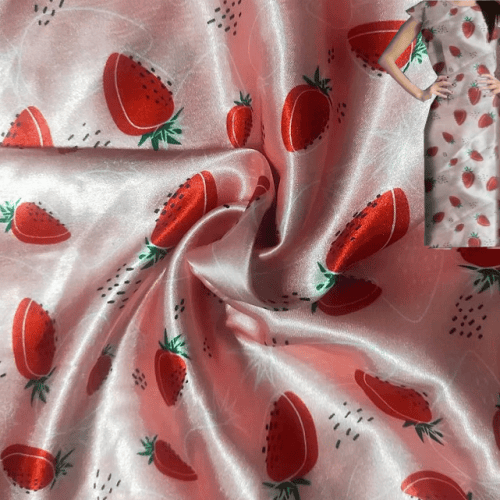
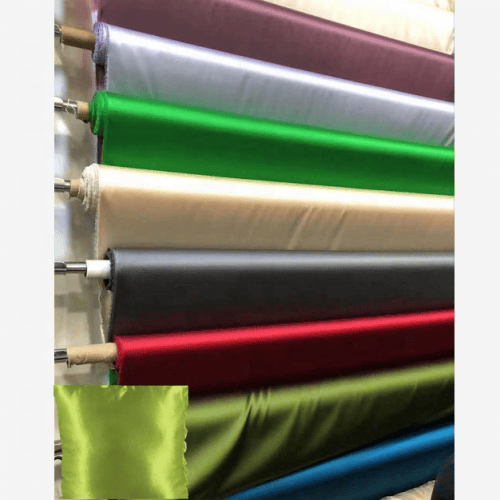
- Versatility: Satin is available in a wide range of colors, patterns and finishes, supporting numerous applications.
- Comfort: Satin is a breathable fabric, making it comfortable to wear even in warm weather.
- Durability: Satin is a durable fabric that can withstand regular use and washing without losing its sheen or softness.
These properties make satin a popular option for apparel, home décor, accessories and decorative textile products. Final performance nevertheless depends on the fiber content and construction selected for the application.
What Is Satin Fabric Used For?
Satin can be specified across fashion, bridalwear, costume, accessories, interiors and soft-home collections. Each end use requires the correct balance of weight, drape, luster, abrasion resistance, seam stability and care performance.
Fashion and Occasionwear
- Bias-cut evening gowns requiring fluid drape and surface reflection
- Structured bridal gowns made with heavier duchess satin
- Bridesmaid dresses, prom dresses and formal separates
- Charmeuse slip dresses, camisoles, blouses and fluid skirts
- Crepe-back satin garments that use contrasting faces for lapels, cuffs or panels
- Tailored jackets and dresses requiring lustrous facing or trim
- Dancewear, stage costumes and performance garments designed to respond strongly to theatrical lighting
- Fashion linings for jackets, coats, dresses and tailored trousers
- Modest-fashion abayas, kaftans and occasionwear with controlled drape
- Luxury sleepwear, robes, pajama sets and lingerie
Accessories and Trims
- Evening bags and clutches
- Scarves, neckties, bow ties and pocket squares
- Hair bows, scrunchies, headbands and bonnet linings
- Bridal gloves, sashes, belts and detachable garment details
- Millinery trims and decorative hat components
- Footwear uppers and decorative shoe panels where the construction provides suitable support
- Gift pouches, jewelry packaging and premium presentation bags
- Fabric-covered buttons, piping and coordinated garment trims
Home Textiles and Interiors
- Curtains, decorative drapery and window-treatment panels
- Cushion covers and accent pillows
- Upholstery for low- or appropriate-traffic decorative furniture
- Bed linens, duvet accents, pillowcases and bed runners
- Decorative table linens and event textiles
- Wedding backdrops, chair sashes and venue draping
- Soft wall panels and theatrical or hospitality décor
- Luxury retail displays, visual-merchandising installations and exhibition styling
Specialized Product Development
For private-label or custom programs, satin can be evaluated for color matching, digital or screen printing, anti-static treatments, flame-retardant requirements, recycled-fiber content and other project-specific finishes. Any performance claim should be confirmed against the final fabric specification and relevant laboratory test method before bulk production.
History and Origin of Satin Fabric
During the medieval era, satin was produced in China using silk. The word “satin” is associated with Zaitun, the medieval Arabic name for the Chinese port city of Quanzhou. Satin-weaving knowledge and fabric trade spread through the Middle East along the Silk Road.
Satin production reached the West through Italy in the twelfth century and became more widespread throughout Europe by the fourteenth century. Its luster and association with silk made it a prestigious textile for clothing and interiors; satin was later used extensively in European decorative furnishings, including furniture associated with the Palace of Versailles.
How Much Does Satin Fabric Cost Per Yard?
The market price of satin ranges from approximately $3 to $75 per yard. Pricing depends heavily on the satin type and style.
For wholesale sourcing, the final quotation may also vary according to fiber composition, yarn specification, fabric weight, width, dyeing or printing requirements, finishing process, testing requirements, order volume and packaging. Buyers should provide the intended application and target specification when requesting a quote so that the fabric can be matched on performance as well as price.
How to Care for Satin Fabric
Check the Care Label
Always check the care label before cleaning satin. Care requirements vary by fiber and finish: some satin fabrics require dry cleaning, while others may be hand-washed or machine-washed.
Hand or Machine Wash Carefully
If washing is permitted, use a mild detergent and cold water. Select a gentle machine cycle or wash by hand. Avoid bleach, fabric softener and hot water, which may damage the fabric.
Air-Dry
Hang the satin to air-dry or lay it flat on a clean towel. Avoid tumble drying because heat and mechanical action can cause shrinkage or fabric damage.
Use a Cool Iron
Iron satin on the reverse side using a cool setting. Place a pressing cloth or clean white cotton fabric between the iron and the satin to protect the face from heat marks and surface damage.
Store Properly
Store satin in a cool, dry location away from direct sunlight, which can cause fading or discoloration. Keep it separated from rough surfaces, hooks and other objects that may snag the floats.
Spot-Clean Promptly
Treat stains promptly with a mild detergent and a clean, damp cloth. Do not rub aggressively, as this may spread the stain or disturb the surface.
Sustainability and Ethical Considerations
The environmental profile of satin depends on its fiber content, dyeing process, finishing chemistry, production efficiency and expected service life.
Chemical Processing
Synthetic dyes, bleaching agents and finishing chemicals can affect workers, wastewater and the surrounding environment if they are not properly controlled. Buyers should define their restricted-substance requirements before sampling and request relevant test documentation for the finished fabric.
Water Consumption
Dyeing and finishing can be water-intensive. Water-saving equipment, controlled dosing, wastewater treatment and water-reuse systems can help reduce consumption and pollution.
Labor Practices
Textile production involves multiple supply-chain stages, including yarn preparation, weaving, dyeing, printing, finishing, inspection and packing. Responsible sourcing should therefore examine working conditions and labor practices across relevant upstream facilities rather than evaluating only the final supplier.
Waste Reduction
Accurate forecasting, efficient marker planning, defect control, recycling and upcycling can reduce production and post-consumer waste. Satin offcuts may be repurposed for accessories, trims, patchwork, packaging and decorative products when the material remains suitable.
Material Options
Where project requirements allow, buyers can consider recycled polyester, recycled nylon, cotton or other preferred inputs. Claims concerning recycled content should be supported by appropriate scope certificates, transaction documentation or other traceability evidence relevant to the order.
Why Source Satin Fabric Through FabricsTrades?
FabricsTrades is based in Wujiang District, Suzhou, at the center of a highly concentrated textile manufacturing ecosystem. This location provides access to specialized mills and processors covering weaving, knitting, dyeing, printing, coating, lamination and functional finishing.
Our own manufacturing experience in four-way stretch fabric gives us practical knowledge of fabric construction, quality control and bulk-production risk. Our sourcing role extends beyond our own looms: we can identify specialist factories, compare feasible constructions, coordinate sampling and help develop custom fabrics when an existing article does not meet the application.
For buyers, this means one sourcing partner can help manage fabric identification, mill matching, specification alignment, color development, finishing, inspection and export coordination.
Frequently Asked Questions
Is satin a type of silk?
No. Satin is a weave, while silk is a fiber. Satin can be woven from silk, polyester, nylon, rayon or other yarns. The fiber content should always be confirmed on the technical specification or test report.
What information should I provide when sourcing wholesale satin?
Provide the intended application, preferred fiber composition, target weight, usable width, color or print requirements, desired hand feel, luster level, order quantity, destination market and any testing or certification requirements. A physical reference swatch is especially useful when matching drape, sheen and touch.
Which satin is best for dresses and bridalwear?
Charmeuse is suitable for lightweight, fluid dresses and bias-cut silhouettes. Duchess satin provides greater body for structured bridal gowns and formalwear. Crepe-back satin offers two usable surfaces and is valuable when a design needs both smooth and textured finishes.
Can satin be made with recycled fibers?
Yes. Satin can be woven from recycled polyester or recycled nylon yarns when an appropriate supply chain and construction are available. Recycled-content claims should be supported by documentation corresponding to the selected material and order.
Is satin naturally water-repellent or PFAS-free?
A satin weave may have a smooth surface, but it is not automatically water-repellent. It is also not automatically PFAS-free because PFAS status depends on the chemicals and finishes used during production. If PFAS compliance is required, specify this before sampling and arrange suitable testing on the finished production fabric.
What compliance documents should importers request?
Requirements vary by destination market and end use. Buyers may need fiber-composition documentation, finished-fabric test reports, restricted-substance testing, colorfastness or physical-performance results, recycled-content traceability and supply-chain declarations. Documents should identify the tested article, color, batch where applicable, test method, laboratory and report date.