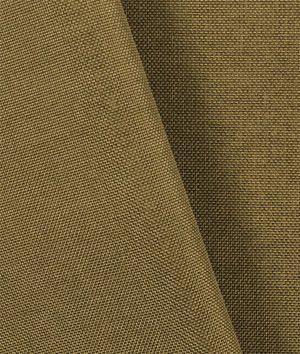
Nylon fabric is made from synthetic polyamide fibers. Depending on the yarn, construction, blend, and finish, it can be sheer and silky, dense and abrasion-resistant, elastic with spandex, or engineered for bags, outerwear, linings, swimwear, hosiery, and technical products.
In brief, nylon is generally strong for its weight, abrasion-resistant, quick-drying, and easy to dye. Its limitations can include heat sensitivity, static, reduced comfort in hot conditions, UV degradation without stabilization, and a fossil-based footprint for conventional grades. “Nylon” is not a complete specification: buyers must define polymer, yarn, construction, weight, finish, and performance requirements.
Nylon at a Glance
| Question | Practical answer |
| Fiber family | Synthetic polyamide; common textile grades include nylon 6 and nylon 6,6. |
| Strengths | Strength-to-weight ratio, abrasion resistance, toughness, flexibility, and quick drying. |
| Limitations | Heat sensitivity, static, possible UV degradation, low absorbency, and petroleum feedstocks for virgin grades. |
| Constructions | Taffeta, oxford, ripstop, taslan, mesh, tricot, jersey, and nylon-spandex stretch fabrics. |
| Buyer priority | Approve the exact construction and finish through sampling and testing. |

History of Nylon
Nylon was developed at DuPont in the 1930s by a research team led by Wallace Carothers. Nylon 6,6 became the first commercially successful fully synthetic fiber and appeared in toothbrush bristles and women’s stockings. During the Second World War, nylon was widely used for parachutes, ropes, and cordage. Its strength, low weight, and scalable production later supported broad use in apparel, furnishings, luggage, and engineering products.
How Is Nylon Fabric Made?
The route varies by polyamide grade, but textile nylon normally follows these stages:
Raw materials: nylon 6 is commonly produced from caprolactam; nylon 6,6 from hexamethylenediamine and adipic acid.
Polymerization: heat and controlled reaction form long polyamide chains, commonly converted into chips or pellets.
Melt spinning: molten polymer is filtered and extruded through spinnerets, then cooled into continuous filaments.
Drawing: filaments are stretched to orient molecules and improve strength and dimensional behavior.
Yarn engineering: filaments may be textured, twisted, air-textured, combined, or cut into staple.
Fabric formation: yarns are woven or knitted into taffeta, oxford, ripstop, tricot, mesh, jersey, or other constructions.
Dyeing and finishing: heat-setting, softening, calendaring, coating, lamination, water-repellent, anti-static, or other treatments create the final specification.
Every stage changes performance. A light plain-weave nylon and a heavy coated nylon oxford can share the same fiber name but differ dramatically in tear strength, air permeability, water resistance, hand, and end use.
Nylon 6 vs. Nylon 6,6
| Point | Nylon 6 | Nylon 6,6 |
| Route | Polycaprolactam. | Hexamethylenediamine plus adipic acid. |
| Typical selection | Often chosen for dyeability, softness, and general textile use. | Often chosen for greater heat resistance or demanding dimensional and strength performance. |
| Caution | Fabric engineering determines results. | Grade name alone proves no test result. |
Key Properties
Strength and toughness: typically high for its weight, but controlled by grade, yarn, construction, and finish.
Abrasion resistance: a key reason nylon is used in bags, sportswear, outdoor goods, and workwear components.
Elastic recovery: useful resilience; high stretch usually comes from knitted construction and/or spandex.
Moisture behavior: lower absorbency than cotton and relatively quick drying, but generally more moisture absorption than polyester.
Dyeability: capable of deep shades; recipe, heat history, and lot control affect consistency.
Heat sensitivity: nylon is thermoplastic and can deform, glaze, shrink, or melt under excessive heat.
UV behavior: prolonged sunlight can reduce strength or cause discoloration unless the system is stabilized and tested.
Chemical resistance: suitability depends on chemical, concentration, temperature, and exposure time.
Common Types and Uses
- Buyers can review the FabricsTrades nylon fabric category for available constructions.
- Nylon taffeta: lightweight plain weave for linings, windbreakers, shells, and bags.
- Nylon oxford: durable basket-style weave for luggage, covers, and outdoor goods, often coated.
- Nylon taslan: air-textured yarns create a softer, cotton-like surface for casual and outdoor apparel.
- Nylon ripstop: reinforcement yarns form a grid that helps limit tear propagation.
- Nylon mesh: open structures for ventilation, pockets, linings, sports products, and technical uses.
- Nylon-spandex: stretch blends for activewear, swimwear, leggings, underwear, and fitted garments.
- For stretch development, compare modulus and recovery with available nylon-spandex fabric options.
Light filaments support hosiery, lingerie, linings, and wind shells. Textured and stretch yarns support activewear and swimwear. Heavier yarns and dense weaves support backpacks, luggage, tents, and covers. Waterproof performance normally belongs to a coated or laminated fabric system, not to nylon content alone.

Advantages and Trade-offs
| Advantages | Trade-offs |
| Strong and lightweight; abrasion-resistant; versatile; dyeable; often quick-drying. | Heat-sensitive; may build static or retain oily soils; can degrade under UV; virgin feedstocks are fossil-derived; finish chemistry can affect compliance. |
How to Source Nylon Fabric
Translate the intended product into an agreed, testable specification. Confirm:
- Exact composition, polymer grade where material, and evidence for recycled-content claims.
- Yarn form and size, construction, finished width, weight, and tolerances.
- Stretch direction, extension, recovery, and growth for fitted products.
- Color standard, light source, shade tolerance, and lot-to-lot expectations.
- Finish, coating, or membrane chemistry and whether the claim is water-resistant or waterproof.
- End-use tests such as tensile, tear, seam strength, abrasion, pilling, dimensional change, colorfastness, hydrostatic pressure, spray rating, air permeability, or UV exposure.
- Destination-market restricted-substance, labeling, documentation, and traceability requirements.
- Use an approved sample as the commercial reference and confirm bulk through documented fabric quality inspection procedures.
Where Is Nylon Produced and What Does It Cost?
Production spans major chemical-fiber and textile regions in Asia, Europe, and the Americas. China has an integrated chain covering polymer, spinning, weaving, knitting, dyeing, finishing, coating, and garment conversion. Location should be evaluated alongside capability, order size, lead time, traceability, testing access, and finishing expertise.
There is no single market price for nylon fabric. Cost varies with grade, virgin or recycled feedstock, yarn denier, density, weight, width, dyeing, finish, coating or lamination, testing, order quantity, and logistics. Compare quotations against the same specification and clarify inclusions.
Environmental Considerations
Conventional nylon generally uses fossil-derived feedstocks and energy-intensive processing. Products may release microfibers during production, use, and washing, while blends and coatings complicate end-of-life recycling. Recycled nylon can reduce virgin-feedstock demand, but it is not automatically a complete sustainability solution. Confirm the recycled-content basis, chain-of-custody evidence, certification scope, and recycling route; also consider durability, process energy, finish chemistry, transport, and end-of-life design.
Current Regulatory and Market Update
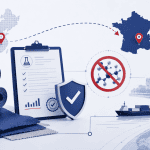
Nylon itself is not automatically a PFAS material. PFAS questions become relevant when a fabric uses fluorinated water-, oil-, or stain-repellent chemistry, or another treated component. Buyers should identify finish chemistry and obtain declarations or test evidence appropriate to the market, product, batch, and sale date.
In the EU, Commission Regulation (EU) 2024/2462 added a targeted REACH restriction for PFHxA, its salts, and PFHxA-related substances. It includes specified consumer uses such as clothing textiles, accessories, and footwear, with transition periods and exemptions in the legal text. Buyers can review FabricsTrades’ EU REACH PFHxA restriction and China fabric supply chains, then confirm the official text and product scope before bulk production.
The EU Ecodesign for Sustainable Products Regulation (EU) 2024/1781 creates a framework for product-specific ecodesign rules and Digital Product Passports. Textiles, especially garments and footwear, are priorities in the 2025–2030 working plan, but detailed duties depend on later measures. Programs serving the EU should organize composition, supplier, recycled-content, substance, and batch data. See FabricsTrades’ overview of ESPR and Digital Product Passports for Chinese fabric supply chains.
Requirements vary by jurisdiction, product, treatment, retailer specification, batch, and date. Communicate documentation expectations before quotation and sampling. This is general sourcing information, not legal advice or a compliance claim.
Care and Handling
Follow the finished-product care label; coatings, membranes, elastane, trims, and prints may require stricter care.
Use moderate washing temperatures and avoid chlorine bleach unless compatibility is confirmed.
Limit dryer and ironing heat because nylon is thermoplastic.
For technical outerwear, use cleaning and reproofing methods compatible with the membrane or finish.
Frequently Asked Questions
Is nylon the same as polyamide?
Nylon is a common name for a family of synthetic polyamides. “Polyamide” is often used on international textile labels; the exact grade may still matter.
Is nylon waterproof?
Not inherently. Waterproof performance usually requires a coating, laminate, membrane, seam solution, and verified testing.
Is nylon breathable?
Breathability depends mainly on construction, weight, coating, and garment design. Mesh can be air-permeable; coated nylon may not be.
Is nylon better than polyester?
Neither is universally better. Nylon is often selected for toughness, abrasion resistance, softness, and dyeability; polyester often for lower moisture absorption, UV stability, and cost.
Does nylon stretch?
It has resilience and some extension, but high repeatable stretch usually comes from knit engineering and/or elastane.
Can nylon be recycled?
Some nylon can be mechanically or chemically recycled. Practical recyclability depends on grade, contamination, blends, coatings, collection, and infrastructure.
What should buyers test?
Match testing to use: composition, weight, width, strength, tear, abrasion, stretch and recovery, dimensional stability, colorfastness, pilling, water performance, air permeability, UV exposure, and restricted substances may be relevant.
Conclusion
Nylon is a versatile polyamide fiber, not a single finished fabric. Its strength, abrasion resistance, low weight, dyeability, and adaptability explain its use across apparel, outdoor goods, bags, linings, hosiery, and technical products. Reliable sourcing means converting the end use into a complete specification—including polymer, yarn, construction, finish, performance, compliance, and documentation—then controlling it through samples, testing, and bulk inspection.
Official Sources
Commission Regulation (EU) 2024/2462 — PFHxA restriction