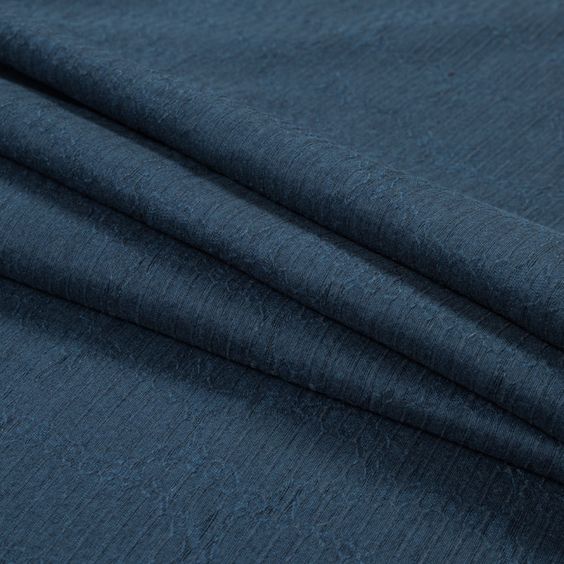
Wool fabric is a textile made wholly or partly from animal fleece fibers. Sheep wool is the most common source, although the broader commercial category can also include fibers such as cashmere, mohair, alpaca, and camel hair. Wool is valued for insulation, moisture buffering, resilience, drape, and a naturally warm hand. Its performance, however, varies substantially with fiber diameter, staple length, yarn system, fabric construction, finishing, and blend composition.
For buyers, “wool” is not a complete specification. A reliable request should define the fiber content, wool type or grade, yarn and construction, weight, usable width, color, finish, target performance, care method, labeling market, and testing plan. The following guide explains the material from fiber to finished fabric and turns those variables into practical sourcing decisions.

Wool Fabric at a Glance
| Question | Short answer |
| What is it? | A woven, knitted, or nonwoven textile made wholly or partly from animal fleece fibers, most often sheep wool. |
| Why is it warm? | Crimped fibers and the fabric structure trap still air; wool also buffers moisture without feeling immediately clammy. |
| What determines quality? | Fiber fineness and length, cleanliness, yarn evenness, construction, finishing, color consistency, and confirmed performance. |
| Main limitations | Possible felting or shrinkage, pilling, moth damage, sensitivity to heat and agitation, and higher material cost than many synthetics. |
| Common uses | Suits, coats, knitwear, blankets, uniforms, upholstery, felt, performance layers, and wool-blend apparel. |
What Is Wool Made From?
Most wool textiles begin with sheep fleece. Breed, climate, nutrition, age, and the part of the fleece all influence fiber characteristics. Fine wools, including merino types, are commonly selected for next-to-skin comfort and fine apparel. Medium and coarser wools can provide bulk, resilience, texture, and durability for outerwear, blankets, carpets, felt, or industrial uses.
Related animal fibers are often marketed under their own names rather than simply as wool. Cashmere comes from the downy undercoat of cashmere goats; mohair comes from Angora goats; alpaca fiber comes from alpacas. These fibers differ in scale structure, luster, warmth, handle, price, and labeling treatment. Buyers should state the exact fiber name and percentage instead of relying on a generic “wool-like” description.
Key Properties of Wool Fabric
Thermal insulation
Wool fibers are naturally crimped. When converted into yarn and fabric, that crimp helps create air spaces that slow heat transfer. Warmth depends on fabric thickness, density, loft, construction, garment design, wind exposure, and moisture—not simply on fiber content.
Moisture management and comfort
Wool can absorb water vapor within the fiber while the surface may still feel comparatively dry. This moisture-buffering behavior can support comfort across changing activity levels and temperatures. It does not mean that every wool fabric dries quickly or performs identically in activewear; yarn, knit or weave, thickness, blends, and finishes matter.
Resilience, drape, and crease recovery
The fiber’s crimp and elastic recovery can help wool fabrics resist persistent creasing and recover shape. Fine worsted fabrics can drape cleanly, while woolen-spun and raised fabrics can feel fuller and more textured. Excess stress, poor construction, or unsuitable care can still cause distortion.
Odor, soil, and flame behavior
Wool often retains less odor than many fabrics during short wear cycles and may release odor during airing or washing. Its surface structure can also make dry soil easier to brush away from some finishes. Wool generally ignites less readily than many common fibers and tends to char and self-extinguish when the ignition source is removed, but finished-product fire performance must be tested against the requirement for the intended market and use.
Felting, shrinkage, pilling, and abrasion
Heat, moisture, pressure, and agitation can cause untreated wool fibers to migrate and interlock, producing felting shrinkage. Scale-control treatments or careful fabric engineering can improve dimensional stability, but “machine washable” should be supported by an appropriate test and care instruction. Pilling risk depends on fiber length and strength, yarn twist, surface hairiness, construction, finishing, and use. Coarser or more tightly constructed fabrics may resist wear better, but can feel harsher against skin.
How Wool Fabric Is Made
- Shearing and collection. Fleece is removed from the animal and kept as intact and clean as practical. Animal-welfare and farm-traceability requirements should be agreed separately when relevant.
- Skirting, classing, and grading. Contaminated or unsuitable sections are removed. Fiber lots are assessed for characteristics such as diameter, length, strength, color, vegetable matter, and yield.
- Scouring. Raw wool is washed to remove grease, suint, dirt, and other contaminants. Processing conditions and wastewater management vary by mill and jurisdiction.
- Opening, blending, and carding. Clean fibers are opened, mixed to the required recipe, and carded into a more uniform web or sliver.
- Woolen or worsted preparation. Woolen spinning retains a more random fiber arrangement for lofty, fuzzy yarns. Worsted preparation adds combing and drafting so longer fibers lie more parallel, producing smoother and more compact yarns.
- Spinning and yarn preparation. Twist, count, ply, and blend ratio are selected for the target handle, strength, surface, and cost.
- Weaving, knitting, or felting. Yarn becomes fabric through woven or knitted construction; some products are produced by mechanically, thermally, or chemically consolidating fibers into felt.
- Wet processing and finishing. Dyeing may occur at fiber, yarn, fabric, or garment stage. Fulling, milling, raising, shearing, pressing, decatizing, shrink-resist processing, and other finishes are selected according to the target appearance and performance.
- Inspection and testing. The fabric is checked for width, weight, shade, defects, dimensional stability, pilling, strength, colorfastness, and other buyer-defined requirements before approval and shipment.
Woolen vs. Worsted Fabric
| Factor | Woolen system | Worsted system |
| Fiber preparation | Carded; fibers remain comparatively mixed in orientation. | Carded and combed; longer fibers are more parallel. |
| Yarn character | Bulky, hairy, and lofty. | Smooth, compact, and more even. |
| Typical fabric effect | Warm, soft-looking, textured, and often raised. | Clean surface, defined weave, fluid-to-tailored drape. |
| Common applications | Coats, blankets, tweeds, flannels, knitwear. | Suiting, trousers, uniforms, fine dresses, premium tailoring. |
| Buyer implication | Confirm surface, shedding, pilling, and bulk. | Confirm fineness, crease recovery, seam behavior, and appearance after care. |
Common Types of Wool Fabric
- Wool suiting: usually a smooth woven fabric, often worsted, engineered for tailoring, drape, crease recovery, and appearance retention.
- Flannel: a woven fabric with a softly raised surface; composition and weight vary widely, so the term alone does not define fiber content.
- Tweed: a textured woven fabric associated with varied color effects and robust outerwear or tailoring applications.
- Melton: a dense, heavily milled and often sheared wool or wool-blend fabric used for coats and uniforms.
- Boiled wool: a knitted or woven wool fabric intentionally felted to create a compact, warm structure.
- Wool jersey and interlock: knitted fabrics that offer stretch and comfort for base layers, dresses, tops, and lightweight knitwear.
- Felt: a nonwoven material made by interlocking fibers; composition, density, thickness, and manufacturing method should be specified.
- Wool blends: wool combined with polyester, nylon, acrylic, viscose, cotton, silk, elastane, or other fibers to balance cost, strength, stretch, care, handle, or appearance.
How to Choose Wool Fabric for an Application
Start from the end use rather than from a fabric name. A fine base layer needs softness, moisture comfort, stretch, seam compatibility, and controlled shrinkage. Tailoring needs drape, recovery, appearance retention, and stable pressing behavior. Outerwear needs warmth, structure, surface durability, and the required resistance to weather exposure. Upholstery needs abrasion, pilling, colorfastness, seam, and flammability performance appropriate to the destination market.
For inspection planning, see FabricsTrades’ fabric quality inspection guide. It explains why buyers should define inspection criteria before bulk production rather than relying only on a supplier’s general description.
Recommended specification checklist
- Exact fiber composition and permitted tolerance under the destination-market labeling rule.
- Wool type or requested fiber diameter range, when handle and next-to-skin comfort are critical.
- Yarn count, ply, spinning system, and blend recipe where these are specification-critical.
- Woven or knitted construction, ends/picks or gauge where applicable, fabric weight, usable width, and target handfeel.
- Color standard, dyeing route, shade tolerance, and lot-control procedure.
- Finish details, including raised, milled, pressed, shrink-resist, water-repellent, or other functional treatment.
- Test methods and acceptance limits for dimensional stability, pilling, abrasion, tensile or bursting strength, seam performance, and colorfastness as appropriate.
- Care-label target, packaging, roll length, defect standard, sampling plan, and required documents.
Quality Risks to Check Before Bulk Production
| Risk | What to confirm |
| Shade and lot variation | Approved standard, lighting conditions, lot segregation, and tolerance. |
| Felting or shrinkage | Care method, relaxation procedure, test method, and acceptance limit. |
| Pilling and surface change | Test method, cycle count, rating requirement, and visual approval after wear simulation. |
| Handle inconsistency | Reference swatch, finish recipe, conditioning, and approval process. |
| Skew, bow, width, or weight variation | Measurement method, usable-width definition, and tolerance. |
| Fiber-content mismatch | Supplier declaration plus laboratory verification when required by risk or contract. |
| Insect damage or contamination | Storage, packaging, cleanliness, and incoming inspection controls. |
Wool Fabric Care
- Care must follow the finished product’s tested construction and label. General wool-care guidance is not a substitute for product-specific testing.
- Use cool or lukewarm water and limited agitation when hand washing is permitted.
- Use a detergent suitable for wool; avoid products or bleaching systems that can damage protein fibers.
- Support the item when wet and reshape it to the intended dimensions.
- Dry flat when appropriate; avoid uncontrolled heat or tumble drying unless the care label permits it.
- Press with controlled temperature, moisture, and pressure to prevent shine, distortion, or felting.
- Store clean and dry, with practical protection from clothes moths and carpet beetles.
Current Regulatory and Market Update
Wool programs need market-specific labeling and product-data controls. In the European Union, Regulation (EU) No 1007/2011 governs textile fiber names and related fiber-composition labeling and marking for products within its scope. In the United States, wool products are subject to the Wool Products Labeling Act and FTC rules. Buyers should confirm the applicable fiber names, percentage disclosures, responsible-party information, country-of-origin rules, tolerances, and product-specific exemptions for the destination market.
The EU’s Ecodesign for Sustainable Products Regulation, Regulation (EU) 2024/1781, creates a framework under which product-specific ecodesign and information requirements, including digital product passports, can be developed. A framework regulation does not by itself make every passport data field immediately applicable to every wool fabric. Buyers supplying the EU should monitor product-specific measures and build traceable records for fiber composition, suppliers, processing, restricted substances, and supporting claims. FabricsTrades’ overview of ESPR and Digital Product Passport implications for Chinese fabric supply chains provides related supply-chain context; current official requirements should still be verified before production.
Market expectations also increasingly distinguish broad claims such as “natural,” “recycled,” “responsible,” and “biodegradable.” These terms do not prove a product’s full environmental impact or legal acceptability. Claims should be defined, supported with product-specific evidence, and checked against the sales market’s consumer-protection and environmental-claims rules. Traceability, animal-welfare criteria, chemical management, and chain-of-custody documentation should be agreed before quotation when they are part of the buyer’s program.
Sourcing Wool Fabric from China
China has extensive capacity in spinning, weaving, knitting, dyeing, finishing, garment production, and textile trading, but the suitable supply route depends on the construction and volume. A supplier that is strong in polyester outerwear fabric is not automatically the right producer for fine worsted suiting or cashmere knitwear.
FabricsTrades is based in Wujiang District, Suzhou, and operates its own four-way stretch fabric factory while also working with specialized textile resources for sourcing and product development. For a wool or wool-blend inquiry, FabricsTrades can help evaluate possible constructions, fibers, weights, widths, colors, finishes, samples, testing coordination, and documentation requests. Availability and capability should be confirmed against the final specification; FabricsTrades should not be assumed to manufacture every wool fabric directly.
A practical sampling sequence
- Send the end use, destination market, target composition, construction, weight, width, color, finish, performance requirements, quantity, and timing.
- Review available standards or development options and confirm whether the mill can reproduce the required surface and handfeel.
- Approve a representative quality swatch, lab dip or color standard, and the test plan before bulk production.
- Confirm bulk lot control, inspection criteria, packing, documentation, and the procedure for handling shade or performance deviations.
Frequently Asked Questions
Is wool fabric always made from sheep?
In ordinary trade usage, wool usually means sheep wool. Other animal fibers—such as cashmere, mohair, alpaca, and camel hair—are normally identified by their specific fiber names. Legal labeling terminology varies by market, so use the applicable approved name and composition disclosure.
Is wool waterproof?
No. Wool can buffer moisture and some dense or treated wool fabrics can resist light precipitation, but untreated wool fabric should not be described as waterproof. Waterproof performance depends on construction, coatings or membranes, seam design, and verified testing.
Why does wool shrink?
Wool can shrink because fibers move and interlock under moisture, heat, pressure, and agitation. Relaxation and construction effects can also change dimensions. Shrink-resist processing and controlled care can reduce risk, but the finished fabric or garment should be tested.
What is the difference between merino wool and ordinary wool?
Merino describes wool from Merino sheep and is commonly associated with fine fiber diameters and soft next-to-skin applications. “Ordinary wool” is not a technical grade; other sheep breeds produce fibers across a broad range of fineness, length, strength, and end uses.
Is wool fabric sustainable?
Wool is renewable and can be durable, repairable, and recyclable in suitable systems, but those characteristics do not make every wool product sustainable. Impacts depend on farming, land use, animal-welfare practices, processing, chemistry, energy, transport, durability, care, and end-of-life pathways. Product claims need specific evidence and clear scope.
What information should a buyer send for a wool fabric quotation?
Provide the end use, fiber composition, wool type or fineness target, yarn and construction where known, weight, width, color, finish, handfeel reference, performance requirements, care target, destination market, quantity, and delivery schedule. State any traceability, animal-welfare, restricted-substance, labeling, testing, or documentation requirements before sampling.
Conclusion
Wool fabric combines insulation, moisture buffering, resilience, and versatile aesthetics, but its performance cannot be judged from fiber name alone. Fiber grade, yarn system, construction, finishing, care, and quality control determine whether a fabric fits suiting, knitwear, outerwear, uniforms, home textiles, or technical applications.
For a sourcing or development project, begin with a measurable specification and representative reference. FabricsTrades can help evaluate wool and wool-blend sourcing options, sampling, color and finish development, testing coordination, and documentation requests according to the final product and destination market.
Sources