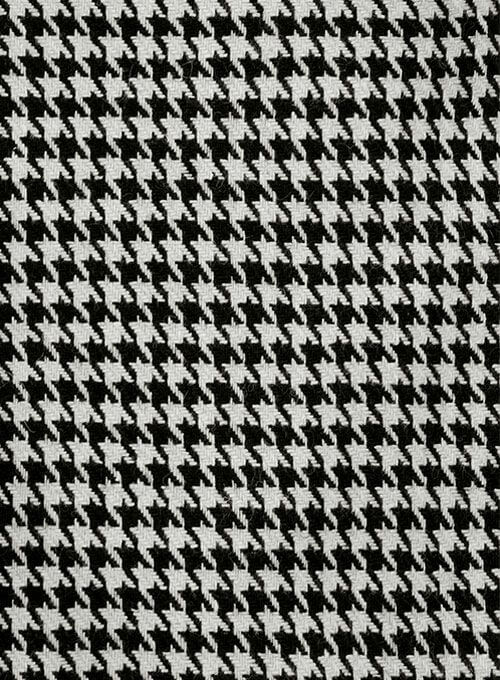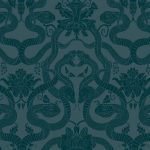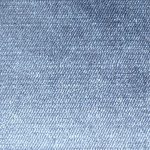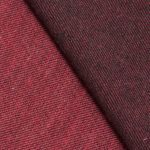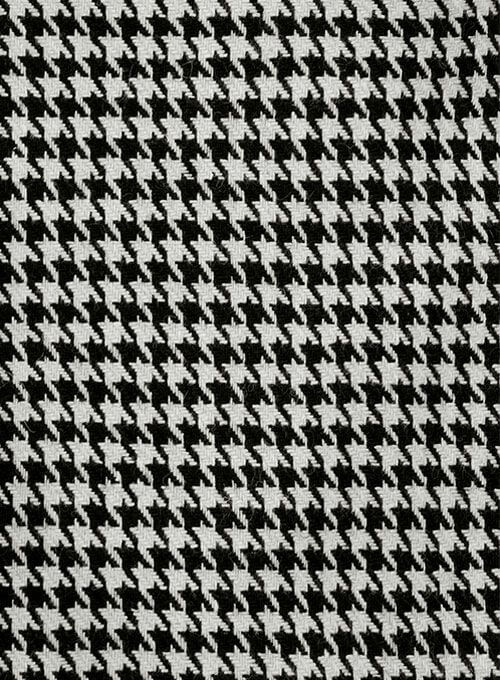
Tweed is a textured woven fabric traditionally made from woollen-spun yarn. It is associated with warmth, durability, mélange colors, and patterns such as twill, herringbone, barleycorn, checks, and houndstooth.
Traditional tweed is usually wool, but contemporary fabrics sold as tweed may contain polyester, acrylic, cotton, viscose, silk, or other fibers. Buyers should therefore treat “tweed” as a fabric description—not proof of fiber composition, origin, performance, or certification.
Key Takeaways
- Tweed is traditionally a wool fabric, but modern tweeds may be wool blends or entirely non-wool constructions.
- Tweed is not one standardized weave. Plain, twill, herringbone, checked, and other constructions can all produce a tweed appearance.
- Wool tweed generally provides warmth, body, moisture-vapor management, and resistance to light surface moisture, but it is not automatically waterproof.
- Performance varies with fiber content, yarn system, fabric weight, weave density, finishing, and garment construction.
- Harris Tweed is a legally protected cloth with specific production and origin requirements; it is not a generic name for every Scottish-style tweed.
- B2B buyers should confirm composition, weight, width, pattern repeat, colorfastness, pilling, dimensional stability, finish chemistry, and claim documentation before bulk production.
Tweed Fabric at a Glance
| Attribute | Typical characteristics |
|---|---|
| Fabric name | Tweed |
| Traditional composition | Wool, usually using woollen-spun yarn |
| Modern composition | Wool, wool blends, or tweed-look synthetic and cellulosic blends |
| Common constructions | Plain weave, twill, herringbone, barleycorn, checks, and other patterned weaves |
| Surface and hand | Textured, dry, fuzzy, nubby, or softly brushed depending on yarn and finish |
| Warmth | Generally medium to high for traditional wool tweed |
| Breathability | Variable; wool manages moisture vapor, while dense construction reduces airflow |
| Stretch | Usually low mechanical stretch, with some natural give and recovery from wool |
| Pilling tendency | Depends on fiber length, yarn twist, surface finish, and abrasion |
| Weather performance | Can shed light moisture and block wind; not inherently waterproof |
| Common applications | Jackets, blazers, coats, suits, trousers, skirts, caps, bags, cushions, and upholstery |
| Care | Follow the finished product’s care label; structured garments often require professional cleaning |
What Is Tweed Fabric?

Tweed is a woven fabric recognized by its textured surface, substantial handle, mixed-color effects, and traditional patterned constructions. It developed as practical wool cloth for cool, damp, and windy environments before becoming established in tailoring, country clothing, accessories, and interiors.
Traditional tweed yarn is commonly produced using the woollen spinning system. The comparatively short and less-aligned fibers create a bulkier, hairier yarn than a smooth worsted yarn. That structure helps give classic tweed its warmth, surface character, and visual depth.
However, tweed is not synonymous with wool. A supplier may use “tweed” to describe the appearance of a fabric made from polyester, acrylic, cotton, viscose, or a multi-fiber blend. The exact fiber percentages must be shown on the specification sheet and confirmed through appropriate documentation or testing.
Tweed is also not the same as twill. Twill describes a weave structure with diagonal ribs. Tweed describes a broader fabric category and appearance; it may use twill, herringbone, plain weave, or another construction.
The History of Tweed
Tweed is closely associated with Scotland and Ireland, where substantial wool fabrics were used for protection in cold, wet, and windy conditions. Heathered colors and patterned surfaces also suited rural clothing and country estates.
During the 19th century, tweed became popular in British sporting and country clothing, including shooting jackets, riding garments, suits, overcoats, and flat caps. Industrial spinning and weaving later expanded production, while tailored tweed became an international fashion material.
The origin of the word “tweed” is not completely certain. A frequently repeated account connects it to the Scots word tweel, meaning twill, while another association is made with the River Tweed. These explanations should be treated as etymological traditions rather than confirmed manufacturing facts.
Harris Tweed Is a Protected Cloth
Harris Tweed is a specific protected product, not another name for generic tweed. Under the Harris Tweed Act 1993, authentic Harris Tweed must be handwoven by islanders at their homes in the Outer Hebrides, finished there, and made from pure virgin wool dyed and spun in the Outer Hebrides. Certified cloth carries the Orb mark under the supervision of the Harris Tweed Authority.
The Gaelic name Clò Mòr, meaning “the Big Cloth,” is associated with Harris Tweed. It should not automatically be applied to every tweed fabric.
Key Properties of Tweed
Warmth and Insulation
Wool fibers contain natural crimp, while woollen-spun yarns retain air within their structure. Combined with a relatively substantial construction, this gives traditional tweed good thermal insulation.
Weight matters. A lightweight fashion tweed and a heavy overcoating tweed will perform very differently even when both contain wool.
Moisture and Weather Performance
Wool can absorb and release moisture vapor, helping regulate the microclimate around the wearer. Its outer fiber structure also provides some resistance to light surface wetting. A dense tweed construction can further reduce wind penetration.
These characteristics do not make untreated tweed waterproof. Products intended for sustained rain require a suitable construction, membrane, coating, or other confirmed weather-protection system.
Durability and Shape
Tweed is commonly selected for jackets, coats, trousers, bags, and upholstery because it can provide body and resist everyday wear. Actual durability depends on the fiber blend, yarn quality, weave density, finishing, seam construction, and end use.
Abrasion resistance should be tested against the applicable apparel or upholstery specification rather than inferred from the fabric name.
Hand Feel and Drape
Traditional tweed may feel firm, dry, fuzzy, or coarse. Finer wool, softer finishing, lower fabric weight, and blended fibers can produce a smoother or more flexible handle.
The outerwear tradition does not mean all tweed is uncomfortable against the skin. Hand feel should be evaluated from an approved sample, especially for unlined garments.
Stretch and Recovery
Most woven tweed has limited mechanical stretch. Wool fibers provide some natural elasticity and wrinkle recovery, but this should not be confused with the controlled stretch of an elastane-containing fabric.
For fitted garments, buyers should specify whether they need natural give, mechanical stretch, or a defined elastane percentage.
Pilling
Tweed can pill when loose fibers are pulled to the surface and entangle under friction. The result varies considerably with fiber length, blend composition, yarn twist, brushing, and garment use.
A universal “high pilling” classification is therefore misleading. Pilling performance should be confirmed through an agreed test method and acceptance level.
Fire Behavior
Wool generally resists ignition better than many common textile fibers and tends to char rather than melt. Nevertheless, untreated tweed must not be marketed as flame-retardant or suitable for protective clothing without product-specific testing and supporting documentation.
How Is Tweed Fabric Made?
The production sequence varies by mill, fiber, color effect, and construction, but traditional wool tweed generally follows six stages.

1. Wool Selection and Blending
Raw wool is selected according to characteristics such as fiber diameter, length, color, crimp, cleanliness, and intended handle. Different wool lots may be blended to achieve consistent processing and performance.
Contemporary tweed may also incorporate recycled wool, synthetic fibers, silk, cotton, or other components.
2. Scouring and Fiber Preparation
Raw wool is scoured to remove dirt, wool wax, salts, and other contaminants. The clean fibers are dried and prepared for carding. The Woolmark overview of wool processing explains how scouring, blending, carding, and spinning fit into commercial wool manufacturing.
3. Dyeing and Color Blending
Many traditional tweed effects are created by dyeing fiber before spinning and blending several shades together. This produces heathered yarns with greater color depth than a single solid shade.
Other products may use yarn dyeing, piece dyeing, or a combination of processes. Buyers should confirm the dyeing route because it affects color matching, minimum quantities, lead time, and repeatability.
4. Carding and Spinning
Carding separates, mixes, and organizes the fibers. In the woollen spinning system, the fibers remain less parallel than in worsted spinning, producing a loftier and more textured yarn.
The prepared fiber is spun with the twist and yarn count needed for the target weight, appearance, and strength.
5. Warping and Weaving
Warp yarns are arranged before the fabric is woven. The selected lifting sequence creates the required plain, twill, herringbone, checked, or other pattern.
Tweed is woven as cloth. Garments are cut and sewn in later production stages; the fabric is not normally “woven directly into garments.”
6. Finishing and Inspection
Finishing may include washing, milling or fulling, steaming, pressing, cropping, brushing, softening, or other mechanical and chemical processes. These operations influence width, weight, surface texture, dimensional stability, and handle.
The finished fabric should be inspected for weaving faults, shade variation, pattern alignment, contamination, holes, excessive slubs, finishing marks, and width or weight deviations.
Common Types and Patterns of Tweed
Tweed names may describe weave structure, surface appearance, pattern, origin, or a supplier’s collection. They are not always mutually exclusive.
| Type or pattern | Description |
|---|---|
| Twill tweed | Displays continuous diagonal ribs created by a twill weave. |
| Herringbone tweed | Uses alternating diagonal directions to create a broken zigzag or V-shaped effect. |
| Barleycorn tweed | Has a small, textured pattern resembling barley grains. |
| Houndstooth tweed | Uses contrasting yarns to form repeated broken-check shapes. |
| Checked tweed | Contains repeating squares or rectangular checks. |
| Overcheck tweed | Places a larger outlined check over a smaller ground pattern. |
| Estate tweed | Traditionally refers to a pattern developed for a particular estate; modern commercial usage varies. |
| Striped tweed | Uses warp or weft color arrangements to create visible stripes. |
| Plaid or tartan-style tweed | Uses intersecting colored bands; an authentic registered tartan is a more specific designation. |
| Donegal-style tweed | Often has multicolored flecks or neps distributed through the yarn or surface. Origin claims require separate verification. |
One cloth can combine several descriptions—for example, a herringbone tweed with an overcheck.
How Is Tweed Fabric Used?

Apparel
Common apparel applications include:
- Blazers and tailored jackets
- Overcoats and trench-style coats
- Suits and waistcoats
- Trousers and skirts
- Country and shooting clothing
- Historical or heritage-inspired uniforms
- Fashion panels, trims, and contrast details
Fabric weight, drape, seam performance, and surface abrasion should match the garment. Buyers developing outerwear can also review FabricsTrades’ jacket fabric category when comparing tweed with other woven jacket materials.
Accessories
Tweed is widely used for:
- Flat caps and newsboy caps
- Hats
- Handbags
- Backpacks
- Footwear panels
- Gloves
- Scarves
- Small leather-goods inserts
Interiors and Upholstery
Suitable tweed constructions may be used for cushions, curtains, wall panels, throws, and furniture upholstery. Upholstery applications require appropriate abrasion, seam-slippage, pilling, colorfastness, and flammability evaluation.
A fashion tweed should not be substituted for upholstery fabric solely because the two products look similar.
Where Is Tweed Produced?
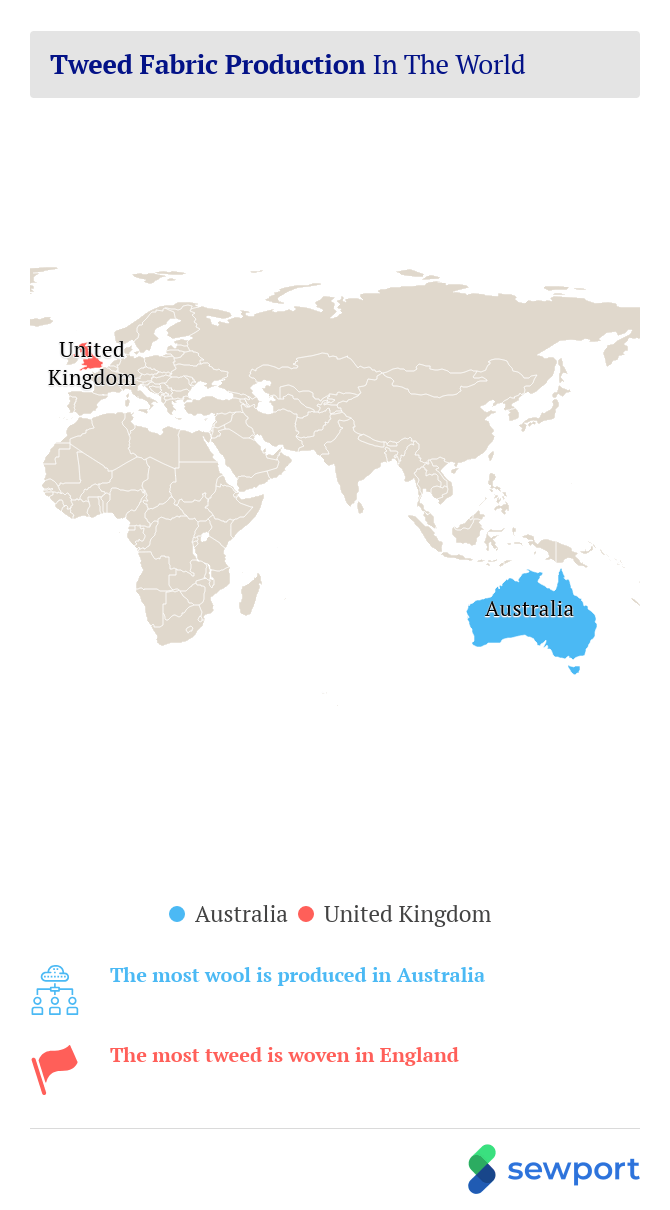
Tweed originated in the British Isles, but generic tweed and tweed-look fabrics are now produced in multiple textile-manufacturing regions. Raw wool, spinning, weaving, dyeing, and finishing may also occur in different countries.
Australia remains an important source of apparel wool, while the United Kingdom and Ireland retain prominent heritage tweed industries. Mills in continental Europe, China, Japan, and other producing markets also manufacture wool tweed and blended tweed constructions.
No consistently updated public dataset isolates worldwide tweed production by country. Claims that one country is currently the largest tweed producer should therefore be verified before publication or procurement.
Harris Tweed is the important exception: authentic Harris Tweed must satisfy the protected Outer Hebrides production definition.
What Determines the Price of Tweed?
Tweed prices are influenced by:
- Fiber composition and wool quality
- Virgin, recycled, certified, or conventional material status
- Yarn count and spinning system
- Fabric weight and usable width
- Number of colors and complexity of blending
- Weave and pattern complexity
- Pattern repeat and matching waste
- Weaving speed and production scale
- Mechanical and chemical finishing
- Origin or protected-name requirements
- Testing and documentation
- Minimum order quantity
- Custom color, pattern, or development work
A low price does not automatically indicate poor quality, and a high price does not guarantee suitability. Buyers should compare specifications, test results, inspection standards, usable yield, and required claims—not price per meter alone.
Tweed Sourcing and Quality-Control Checklist
Before confirming an order, specify:
- Fiber composition: Require exact percentages and clarify whether the wool is virgin, recycled, or certified.
- Construction: Record the weave, yarn type, ends and picks where relevant, and pattern repeat.
- Weight and width: Agree tolerances and whether width means full or usable width.
- Color approval: Use lab dips, yarn wraps, strike-offs, or pre-production yardage as appropriate.
- Hand and surface: Approve texture, brushing, softness, hairiness, and appearance under agreed lighting.
- Pattern alignment: Confirm repeat dimensions, bow, skew, matching requirements, and cutting implications.
- Physical performance: Select appropriate tests for pilling, abrasion, tensile or tear strength, seam slippage, and dimensional stability.
- Colorfastness: Consider rubbing, washing, dry cleaning, perspiration, light, and water exposure according to the product.
- Finish chemistry: Identify stain-resistant, water-repellent, moth-resistant, antimicrobial, softening, or other treatments.
- Documentation: Request applicable composition records, safety information, test reports, declarations, and certification-chain documents before making claims.
- Bulk inspection: Confirm shade continuity, roll length, defect marking, packaging, and the agreed inspection system.
FabricsTrades’ fabric quality-inspection guide provides additional guidance on roll inspection and procurement controls.
Tweed Care and Maintenance

Always develop care instructions from the tested finished garment or product rather than copying a generic wool recommendation.
- Check the sewn-in care label before cleaning.
- Brush woven garments gently to remove surface dust.
- Air garments between wears.
- Treat stains promptly without aggressive rubbing.
- Avoid high heat and excessive agitation unless the product has been approved for those conditions.
- Dry washed wool products in the specified manner to reduce distortion.
- Store clean garments in a dry location and protect them from moth damage.
- Use professional cleaning where required for tailored, lined, bonded, or structured garments.
Some wool products are machine washable, while others require hand washing or dry cleaning. Woolmark’s wool-care guidance emphasizes following the individual product’s care claim.
Sustainability and Certification Considerations
Tweed is not automatically sustainable because it contains wool. Environmental and social performance depends on farming, animal welfare, land management, scouring, dyeing, energy, water, chemicals, durability, transport, care, and end-of-life conditions.
Pure untreated wool can biodegrade under suitable conditions, but synthetic blends, coatings, dyes, trims, and garment construction affect end-of-life behavior. Buyers should avoid extending a fiber-level biodegradability statement to an entire finished product without evidence.
Relevant sourcing and claim systems include:
- Woolmark: An optional wool product certification and licensing system. A product is not Woolmark-certified merely because it contains wool.
- Responsible Wool Standard: A voluntary Textile Exchange standard addressing animal welfare, land management, and chain of custody. Certified claims require documentation through the relevant supply chain. Textile Exchange is transitioning parts of its standards system, so buyers should verify the applicable standard version and claim rules through its current RWS information.
- Harris Tweed Orb: Evidence that cloth has met the legally protected Harris Tweed production definition. It is a provenance and authenticity mark, not a general sustainability certification.
Current Regulatory and Market Update
Fiber-Composition Labeling
“Tweed” does not replace a legally required fiber-composition statement. For textile products sold in the European Union, Regulation (EU) No 1007/2011 governs textile fiber names and related composition labeling.
Buyers should confirm the actual wool, polyester, acrylic, cotton, viscose, or other fiber percentages and the language requirements of each destination market.
ESPR and Digital Product Passport Preparation
The EU’s Ecodesign for Sustainable Products Regulation, Regulation (EU) 2024/1781, creates a framework for future product-specific ecodesign and Digital Product Passport requirements. The European Commission’s 2025–2030 working plan prioritizes textiles, particularly apparel and footwear, for further rulemaking.
This does not mean every roll of tweed already has an identical mandatory Digital Product Passport. Detailed obligations depend on delegated acts and product scope. Nevertheless, buyers can prepare by collecting reliable composition, supplier, facility, batch, process, substance, durability, and certification data. FabricsTrades’ guide to ESPR and Digital Product Passports for Chinese fabric supply chains provides related supply-chain context.
PFHxA and Water- or Stain-Repellent Finishes
Traditional untreated wool should not automatically be assumed to contain fluorinated finishes. However, tweed programs using water-, oil-, or stain-repellent treatments need finish-specific chemical review.
Under EU Regulation 2024/2462, restrictions on PFHxA, its salts, and PFHxA-related substances begin on October 10, 2026 for specified textiles, leather, fur, and hides in clothing and related accessories for the general public, subject to the regulation’s concentration limits, scope, and derogations. Other textile applications have a later date.
Buyers should identify the finish chemistry, obtain supplier declarations, agree an appropriate testing strategy, and confirm the final product’s jurisdiction and use. FabricsTrades’ overview of the EU REACH PFHxA restriction and China’s fabric supply chain offers additional procurement-oriented context but should not replace review of the official regulation.
Documentation needs may vary by destination, product category, treatment, production batch, and date of market placement. Requirements should be communicated before quotation and sampling.
Frequently Asked Questions
Is tweed always made from wool?
No. Traditional tweed is usually wool, but modern tweed fabrics may contain wool blends, cotton, polyester, acrylic, viscose, silk, or other fibers. Confirm the specification rather than relying on the fabric name.
Is tweed the same as twill?
No. Twill is a weave structure identified by diagonal ribs. Tweed is a broader textured-fabric category that can use twill, herringbone, plain weave, or another construction.
Is tweed waterproof?
No. Dense wool tweed can resist wind and shed light surface moisture, but untreated tweed is not waterproof. Sustained rain protection requires a verified construction, membrane, coating, or finish.
Is all Scottish tweed Harris Tweed?
No. Harris Tweed is a protected cloth that must meet specific fiber, processing, weaving, finishing, and Outer Hebrides origin requirements. Other Scottish tweeds cannot use the Harris Tweed name unless they meet the legal definition.
Does tweed pill easily?
Pilling depends on fiber length, yarn twist, blend composition, surface finish, and abrasion. It should be assessed through sampling and testing rather than assigned a universal rating.
Can tweed be machine washed?
Only if the finished product’s care label permits it. Many structured tweed jackets and coats require professional cleaning because linings, interlinings, shoulder components, and tailoring can react differently to washing.
Can tweed be used for upholstery?
Yes, but the fabric must be engineered and tested for upholstery. Apparel tweed may not have sufficient abrasion resistance, seam performance, colorfastness, or flammability characteristics for furniture use.
Is tweed a sustainable fabric?
It can support durable, repairable, long-life products, but no tweed is automatically sustainable. Fiber origin, animal welfare, land use, processing, chemistry, garment life, care, and end-of-life all need to be considered.
Choosing Tweed for Your Product
The right tweed depends on composition, weight, handle, construction, color effect, performance, care, destination market, and price—not appearance alone.
FabricsTrades is based in Wujiang District, Suzhou, and can help buyers evaluate fabric sourcing and product-development options through its wider textile supply network. Support may include construction comparisons, sampling, color and finish evaluation, testing coordination, or documentation requests, subject to the final specification and supplier availability.
Before bulk production, communicate the end use, target market, composition, weight, width, pattern, testing, finish chemistry, certification, and claim requirements clearly.