| Fabric name | Linen |
| Fabric also known as | Flax fabric |
| Fabric composition | Spun fibers from the stalks of flax plants |
| Fabric possible thread count variations | 200-2,000 |
| Fabric breathability | Highly breathable |
| Moisture-wicking abilities | High |
| Heat retention abilities | Low |
| Stretchability (give) | Low |
| Prone to pilling/bubbling | Low |
| Country where fabric was first produced | Prehistoric Europe |
| Biggest exporting/producing country today | China |
| Recommended washing temperatures | Cold, warm, or hot |
| Commonly used in | Bed sheets, pillowcases, blankets, dish towels, bath towels, wallpaper, upholstery, skirts, shirts, suits, dresses, luggage, thread, aprons, bags, napkins, tablecloths, diapers |

What Is Linen Fabric?
What is linen fabric?
Linen is an extraordinary flax-based textile, particularly renowned for its prominent role in the world of homeware applications. This versatile and functional material is a must-have for procurement agents and fashion designers alike.
Flax vs. Cotton
Although linen may resemble cotton at first glance, the origin of the fibers sets it apart. Linen fibers are derived from the sturdy stems of the flax plant, while cotton fibers come from the bolls surrounding cotton seeds. This difference highlights linen’s unique appeal in the design industry.
Choose linen for a trendy edge
Incorporating linen into your projects is a surefire way to elevate your work and captivate your audience. As a procurement agent or fashion designer, embracing linen’s charm is an excellent way to make a statement and create a lasting impact.
Linen’s allure
Linen’s beauty and appeal are undeniable. Its unmatched visual appeal can add a touch of exclusivity and sophistication to any project, making it an attractive choice for those in the know.
Procurement and design impact
Integrating linen into your creations is guaranteed to leave a memorable impact, whether you’re a procurement agent or fashion designer. It’s a chic textile that can add a unique and distinguished flair to any design.
Linen production: A labor of love
Creating linen fabric requires more time and resources compared to cotton. However, despite the challenges involved in manufacturing, linen’s one-of-a-kind properties have ensured its continued production worldwide. Countries like China continue to produce linen in large quantities, showcasing its enduring appeal.
Embrace the distinctive
Opting for linen can add an air of exclusivity and sophistication to your creations, setting you apart in a competitive market. Linen’s unique characteristics make it a sought-after choice for those looking to create distinctive designs.
Understanding “linen”
It’s essential to distinguish between “linen” and “linens.” “Linen” refers to the flax-based fiber used in homewares and specific types of apparel, known for its distinct properties and versatility.
Defining “linens”
On the other hand, “linens” describe various household items and apparel, not necessarily made from flax fibers. It’s important to recognize the nuances between these terms to ensure accurate communication and sourcing the right materials for your projects.
Awareness matters
As a procurement agent or fashion designer, understanding the differences between these terms is crucial to enhance your creations’ quality and appeal. Accurate communication ensures that you incorporate the right materials for your projects, ultimately creating exceptional designs.

History of Linen
Linen, one of the oldest and most enduring textiles, has a fascinating history that spans thousands of years. As a procurement agent or fashion designer, working with linen connects you to this rich legacy of craftsmanship and innovation that has transcended generations and cultures.
Linen’s Journey Through Time:
Linen’s roots can be traced back to Neolithic times, with evidence of linen textiles dating as far back as 36,000 years ago in Europe. Despite limited definitive evidence from prehistoric times, linen’s enduring value and adaptability has allowed it to become one of the longest-produced textiles in human history.
Honoring Tradition with Linen:
When you use linen in your projects, you pay tribute to its remarkable history while pushing the boundaries of modern design. Linen’s time-tested material offers endless possibilities to create pieces that blend ancient wisdom with contemporary creativity.
Linen’s Mysterious Past:
While modern archaeology has uncovered evidence dating back 36,000 years, it’s possible that linen’s origins go even further. Working with linen allows you to engage with its enigmatic past, connecting you to a heritage that predates known history.
Linen’s Vital Role in Ancient Times:
Linen played a vital role in ancient Egyptian society, where its breathability and low moisture retention made it the ideal textile to protect against the sun’s harsh rays and promote rapid sweat evaporation. Linen’s use extended beyond clothing and also played a role in preparing burial shrouds and mummy wrappings.
Linen in Ancient Greece and Beyond:
Linen’s popularity spread to Western Europe thanks to the Phoenicians, with Ireland emerging as the center of European linen production in the 18th century. Though cotton production eventually surpassed linen’s prominence, linen remains a niche product that is prized for its exceptional qualities and timeless appeal.
As a procurement agent or fashion designer, incorporating linen into your projects offers a way to connect with the enduring legacy of this remarkable material. Embrace its history, honor its traditions, and leverage its qualities to create designs that are both innovative and timeless.

Linen Today
Today, linen has become a specialty product, reserved for a select range of textile goods. Despite its rich history, linen’s popularity has waned due to the laborious and time-consuming nature of its production. Ironically, the same challenges that once discouraged linen production 36,000 years ago still exist today, albeit in different forms. The finicky and expensive nature of producing linen continues to be a hindrance to its widespread use in the modern textile industry. As a procurement agent or fashion designer, incorporating linen into your projects offers you the opportunity to honor its legacy while elevating your designs with the timeless allure of this exceptional material
相关链接:
- Recycled & sustainable fabrics wholesale
- Anti slip fabrics wholesale
- Polyester jacket taffeta fabrics wholesale
How Is Linen Fabric Made?
Linen fabric is made from the cellulose fibers found in the stems of flax plants. These plants have a woody inner section and a fibrous outer section that are used to create the raw materials necessary for producing this versatile textile.
To prepare for linen production, flax fibers are extracted from the woody core of flax stems. This is typically done through soaking the raw flax stalks, although modern methods may use chemicals to achieve the same effect. After the fibers have been extracted, any residual chemicals are washed away before the fibers are spun into yarn. It is important to note, however, that some toxic substances may still remain on chemically-separated flax fibers.
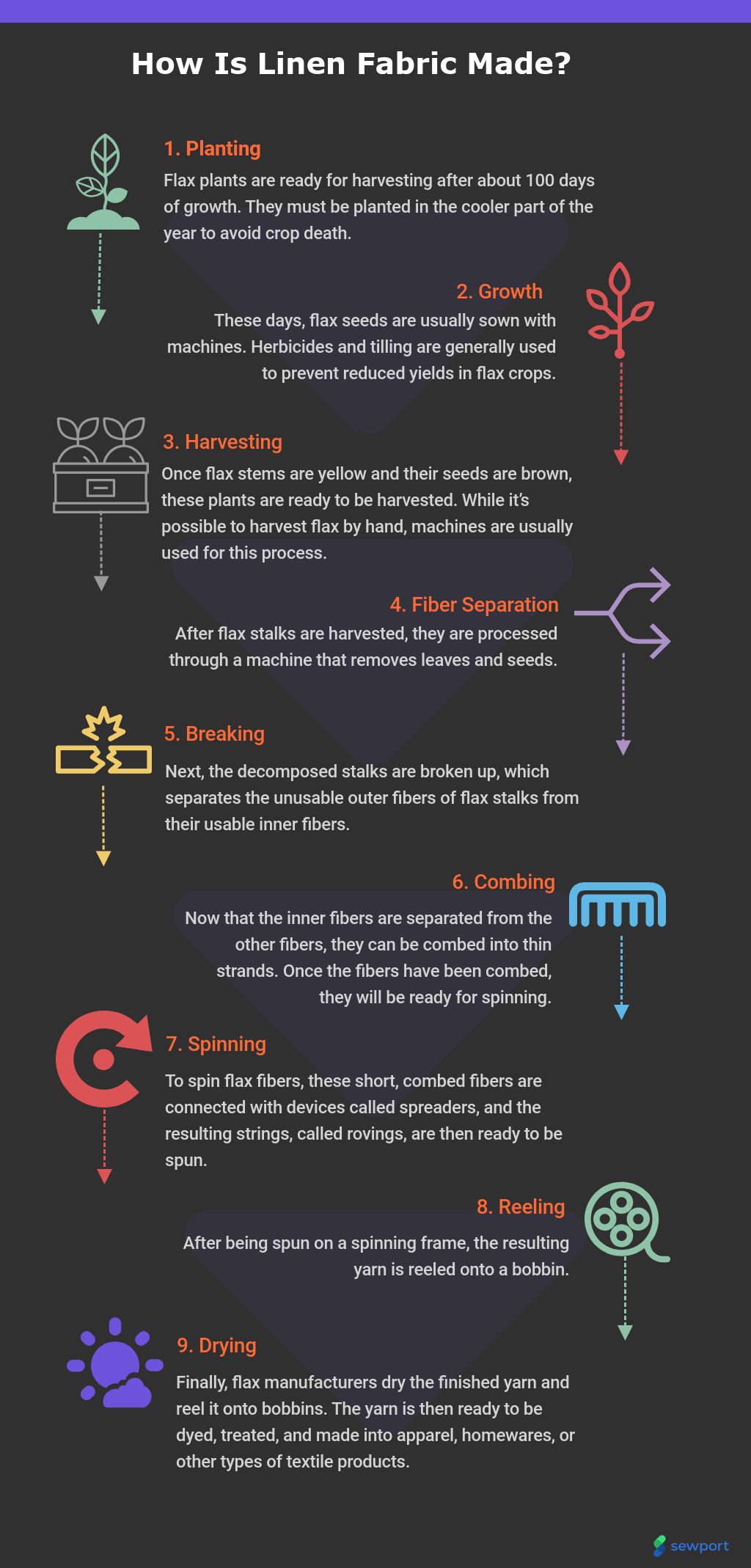
1. Planting
Flax plants are typically ready for harvesting after around 100 days of growth. As they are not heat-tolerant, they need to be planted during cooler seasons to avoid crop damage. This makes timing a crucial factor in flax production.
2. Growth
Flax plants are typically planted using machines these days, and farmers use herbicides and tilling to prevent weed growth that can negatively impact the growth of the flax crop.
3. Harvesting
Flax plants reach maturity after approximately 100 days of growth when their stems turn yellow and seeds become brown. At this point, they are ready for harvesting. While hand harvesting is an option, most producers rely on specialized machinery to speed up and streamline the process, ensuring optimal yields and efficient use of resources.
4. Fiber Separation
After flax plants are harvested, they are passed through a machine that removes the leaves and seeds. Next, the fibrous outer layer of the stalk is separated from the soft, woody core through a process called retting. This is a crucial step in the production process, as it must be executed with precision to prevent damage to the delicate flax fibers that are essential to textile production.
5. Breaking
After retting, the flax stalks are broken down to separate the unusable outer fibers from the inner fibers that are suitable for textile production. This process involves passing the stalks through rollers to crush them and then using rotating paddles to remove the outer fibers from the stalks. This meticulous process ensures that only the finest and most valuable fibers are used for the production of high-quality linen.

6. Combing
After the fibers are combed, they are spun into yarn or thread using a spinning frame. The resulting yarn is then reeled onto a bobbin to maintain its cohesion. To ensure that the flax yarn does not fall apart, it is necessary to perform the reeling process in a wet, humid environment. The spun yarn is then run through a hot water bath to further enhance its cohesion. Finally, the finished yarn is dried and reeled onto bobbins, ready to be dyed, treated, and made into various textile products.
7. Spinning
After the fibers are combed, they are spun into yarn or thread using a spinning frame. The resulting yarn is then reeled onto a bobbin to maintain its cohesion. To ensure that the flax yarn does not fall apart, it is necessary to perform the reeling process in a wet, humid environment. The spun yarn is then run through a hot water bath to further enhance its cohesion. Finally, the finished yarn is dried and reeled onto bobbins, ready to be dyed, treated, and made into various textile products.
8. Reeling
After being spun on a spinning frame, the resulting flax yarn is reeled onto a bobbin. To ensure that the yarn won’t fall apart, it’s necessary to perform this reeling process in wet, humid conditions. The spun yarn is run through a hot water bath to further ensure its strength and cohesion. This process strengthens the fibers and contributes to the production of high-quality linen yarn.
9. Drying
After the spinning process, flax manufacturers then dry the yarn and wind it onto bobbins. This prepares the yarn for the subsequent stages, such as dyeing, treatment, and the creation of various textile products, including apparel and homewares.
How Is Linen Fabric Used?

Linen has a long and rich history as a highly valued textile product that has been used for clothing and household materials across many cultures throughout the ages. While its use has declined in many parts of the world, linen remains a popular choice for a variety of textile products due to its natural durability, breathability, and beauty.
Today, linen is still used for clothing, particularly in hot climates where its moisture-wicking and heat-reflecting properties make it a valuable option. Linen is also suitable for making a range of clothing items, including both casual and formal wear. Furthermore, linen remains a popular material for homeware products, including napkins, tablecloths, and towels due to its absorbency, softness, and durability.
Despite the decline in its use for clothing, linen continues to be a versatile and timeless fabric that offers many benefits for both clothing and homeware products. Its natural properties make it a practical and beautiful option that will always have a place in the textile industry.
Where Is Linen Fabric Produced?

China is the leading global producer of linen, which is in line with its ranking as a leading producer of textiles overall. Nevertheless, several European countries have a long-standing tradition of producing high-quality linen products and continue to do so today. Ireland, Italy, and Belgium are among the leading producers of linen, leveraging their expertise in growing flax and manufacturing fine linen fabrics. The United States also has a substantial linen industry, with many manufacturers producing a range of homeware products made from this versatile and durable fabric.
How Much Does Linen Fabric Cost?
Although specific pricing data for unprocessed linen yarn is not readily available, it is worth noting that woven linen fabric can range in price from $5 to $12 per yard, making it one of the most expensive natural fibers on the market. Despite this, linen remains a highly sought-after material due to its unique properties and versatility, particularly in niche markets such as luxury fashion and high-end homeware products. Many consumers are willing to pay a premium for linen due to its durability, breathability, and natural beauty, making it a valuable and lucrative product for manufacturers and retailers alike.
What Different Types of Linen Fabric Are There?

Linen fabric is made from processed and spun flax fiber, and there are four main variations in weaving techniques that result in different types of linen fabric:
相关链接:
1. Damask linen
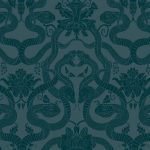
Damask linen is a luxurious and elaborate type of linen fabric that is intricately woven on a jacquard loom to create a result that resembles embroidery. This weaving technique uses a combination of satin and sateen weaves to produce an ornate design on the fabric’s surface. Damask linen is known for its high thread count, which contributes to its softness and durability. Its delicate nature and intricate design make it a popular choice for decorative items such as tablecloths, napkins, curtains, and bedspreads. While damask linen is not suitable for everyday use, it is a luxurious and elegant option for special occasions and high-end home decor.
2. Plain-woven linen
Plain-woven linen is a widely-used and versatile type of linen fabric, ideal for creating dish towels, cotton towels, and hand towels. This fabric is characterized by its relatively loose weave, which imparts it with excellent durability and resistance to wear and tear. Although plain-woven linen is loosely-woven, it remains quite strong and does not suffer significant degradation in durability over time. This makes it a practical and long-lasting option for a range of household textile products.
3. Loosely-woven linen
Loosely-woven linen is a highly absorbent type of linen fabric that is valued for its absorbency. Due to its loose weave, however, it is the least durable type of linen fabric. While it is commonly used for making reusable diapers and sanitary napkins, it may need to be replaced more frequently than other types of linen fabric.
4. Sheeting linen
Linen apparel is commonly made from sheeting linen due to its smooth, soft texture and tightly woven structure. Sheeting linen is a type of linen fabric with a higher thread count compared to other linen fabrics, which contributes to its refined appearance and luxurious feel. The close weave of sheeting linen also increases its durability and resistance to wear and tear, making it a popular choice for high-end linen apparel such as suits, dresses, and blouses.
How Does Linen Fabric Impact the Environment?
Linen production poses certain environmental concerns such as the release of harmful chemicals used in the retting process and potential soil degradation due to agricultural practices. However, linen remains one of the most sustainable and environmentally-friendly textiles available. Eco-friendly retting methods like water or dew retting and sustainable agricultural practices such as crop rotation and reduced tillage can help mitigate these environmental concerns. Furthermore, linen is biodegradable and does not contribute to the microfiber pollution crisis in the hydrosphere.
Apart from environmental concerns, social issues such as poor working conditions and low wages are prevalent in the textile industry. To address this, many linen manufacturers are adopting fair and ethical working conditions and certification programs to ensure that workers are treated fairly and paid a living wage.
Consumers can support sustainable and ethical linen production by choosing linen products produced using eco-friendly and ethical practices. While organic linen production is more expensive, the environmental benefits make it a worthwhile investment for consumers seeking to reduce their impact on the planet. By making conscious purchasing decisions, consumers can contribute to a more sustainable and ethical textile industry.
Linen Fabric Certifications Available
Consumers can also support sustainable and ethical linen production by choosing to purchase linen products that have been certified by organizations such as OEKO-TEX or the Global Organic Textile Standard (GOTS), which focus on ensuring that textiles are produced in an environmentally-friendly and socially responsible manner. By choosing certified linen products, consumers can be confident that they are supporting sustainable and ethical practices in the linen industry.
It is also important for consumers to consider the durability of linen products when making purchasing decisions. Linen’s natural durability means that it can last for many years with proper care and maintenance, making it a more sustainable choice than fast-fashion items made from synthetic materials that quickly wear out and end up in landfills. Consumers can prolong the life of their linen products by washing them using eco-friendly and low-impact detergents, line drying them instead of using a dryer, and avoiding harsh chemicals or bleach.
In summary, while there are some environmental and social concerns associated with linen production, it is still a highly sustainable and environmentally-friendly textile when produced using sustainable agricultural practices and eco-friendly production methods. By choosing certified linen products and considering the durability of their purchases, consumers can support sustainable and ethical practices in the linen industry and reduce their impact on the planet.