
Costume


Custom Made Costume in Bulk at Wholesale Price from Manufacturers


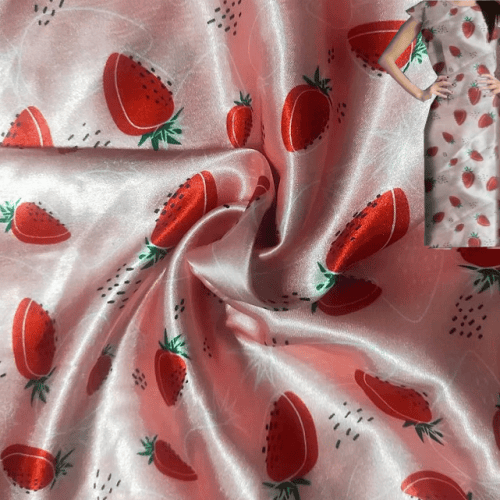


Custom-Made Costume Fabrics in Bulk at Wholesale Prices
FabricsTrades supplies woven, stretch, sheer, lustrous, textured, and performance fabrics for costume manufacturing. Our listed range includes nylon-spandex four-way stretch, polyester stretch satin, nylon and polyester taffeta, bubble chiffon, chiffon crepe, pearl chiffon, organza, tulle, brocade, silver-wire mesh, peach-skin satin twill, and related decorative fabrics.
These materials support theatrical wardrobes, dancewear, cosplay, character costumes, historical reproductions, festival apparel, bridal productions, stage accessories, and other designs where visual impact must be balanced with movement, durability, drape, and production efficiency.
Costume Fabric Products
- Fresh Stock Quick-Dry Anti-Wrinkle 4-Way Stretch 40D Nylon Spandex Fabric for Sportswear
- High Quality 70D 210T Nylon Taffeta Waterproof Plain Woven Fabric
- 210T 0.3 Plaid 65GSM Polyester Waterproof Taffeta Fabric
- High Quality Satin Fabric Stretch Polyester Fabric
- New Fashion Bubble Chiffon Fabric for Garment and Bubble Crepe Fabric
- Cloud Yarn Brocade Polyester Glitter Tulle, High-Density Embroidery Color Spot Organza
- 75D Pearl Chiffon Fabric, 100GSM, for Shirt Dresses and Wide-Leg Pants
- Elegant Woven 92% Polyester, 8% Spandex Printed Stretch Satin Fabric
- 75D Chiffon Crepe Fabric for Summer Clothing, Shirts, and Pajamas
- Sateen Satin Twill Fabric, 50% Polyester and 50% Nylon, 140GSM Peach-Skin Brushed
- Polyester Silver-Wire Mesh Fabric for Event Décor, Net Material, and Gauze Applications
2024-2026 Fabric Regulations & Compliance Update
Costume fabrics may contain stretch fibers, synthetic yarns, prints, pigments, adhesives, coated surfaces, water-repellent treatments, metallic effects, or decorative finishes. Compliance therefore depends on the complete finished construction—not only the base fiber.
The 2024–2026 global textile compliance landscape is increasing the need for documented chemical management, material traceability, substantiated environmental claims, supplier due diligence, and market-specific testing. Buyers should define the destination market and end-user category before production so that the correct restricted-substance, labeling, safety, and traceability requirements can be included in the purchase specification:
https://fabricstrades.com/insight/fabric-regulations-of-the-20242026-global-textile-compliance/
PFHxA-related controls are particularly relevant when costume fabrics use water-repellent, stain-resistant, oil-resistant, or other fluorinated finishes. A fabric should not be described as compliant merely because the untreated base cloth is polyester or nylon. Buyers should confirm the chemistry of coatings and finishes, request supplier declarations, and arrange appropriate testing for the finished material where required:
https://fabricstrades.com/insight/eu-reach-pfhxa-restriction-and-the-china-fabric-supply-chain/
Compliance must be evaluated against the final product, intended market, applicable legal thresholds, and current effective dates. FabricsTrades can support specification alignment and documentation, but the buyer remains responsible for confirming the requirements that apply to the finished costume.
Quality-Control Considerations for Costume Fabrics
Before approving bulk production, evaluate:
- Fiber composition and construction
- Finished weight and usable width
- Stretch percentage and recovery
- Dimensional stability
- Shade consistency and metamerism
- Colorfastness to washing, perspiration, rubbing, and light
- Seam performance and needle damage
- Pilling and abrasion resistance
- Tear and tensile strength
- Print registration and surface uniformity
- Coating adhesion and hydrostatic performance, where applicable
- Appearance after repeated flexing
- Compatibility with heat transfer, embroidery, rhinestones, adhesives, and other embellishments
- Restricted substances and finish chemistry
- Flammability or flame-performance requirements for the destination market and end use
For stage productions, test sample yardage under the actual lighting system. Satin, metallic mesh, glitter tulle, and organza can appear significantly different under LED, spotlight, ultraviolet, flash, and camera lighting.
Tips for Sewing Costume Fabrics
- Use a stretch or ballpoint needle for stretch constructions.
- Use polyester or nylon thread where suitable for the fabric and seam requirement.
- Select a stretch stitch, narrow zigzag, or appropriate overlock construction for elastic fabrics.
- Avoid stretching the fabric while feeding it through the machine.
- Use a walking foot when layers shift or feed unevenly.
- Stabilize shoulder seams, waist seams, closures, and high-load attachment points where necessary.
- Test heat, steam, adhesives, and fusible interlinings on a cutting before applying them to the garment.
- Use fine needles and controlled presser-foot pressure for chiffon, organza, and lightweight taffeta.
- Finish transparent-fabric seams with narrow French seams, rolled hems, or other clean constructions appropriate to the design.
- Test decorative applications for snagging, delamination, discoloration, and loss of stretch.
- Build sufficient ease into non-stretch taffeta, organza, and brocade costumes.
- Create a sample seam before production to confirm stitch length, tension, elasticity, and appearance.
Why Choose FabricsTrades for Costume Fabrics?
Factory-Backed Expertise
We operate our own four-way stretch fabric factory and understand the technical requirements of performance costumes, including stretch, recovery, drape, opacity, durability, and sewing behavior.Strategic Sourcing in Suzhou
Located in Wujiang District, Suzhou—one of the world’s most concentrated textile manufacturing hubs—we have direct access to specialized weaving, knitting, dyeing, printing, coating, embroidery, and finishing factories. If a fabric exists, we can find it. If it does not, we can help you develop it.One-Stop Fabric Sourcing
Costume collections often require multiple materials. We can coordinate stretch fabrics, satin, taffeta, chiffon, organza, tulle, mesh, brocade, linings, and decorative fabrics through one sourcing program.Custom Development
Depending on the fabric, we can support custom colors, prints, weights, widths, coatings, textures, and functional finishes. Our team can also help match a reference swatch or develop a fabric around your technical requirements.Performance-Oriented Material Selection
We help buyers evaluate materials according to their actual use, including freedom of movement, shape recovery, stage-light response, opacity, moisture management, abrasion resistance, and compatibility with embroidery or embellishments.Sample and Quality Control Support
Samples, lab dips, strike-offs, and approval yardage can be arranged before bulk production. Quality requirements such as composition, weight, width, shade, stretch, recovery, and finish can be confirmed against approved specifications.Compliance-Aware Sourcing
For projects entering regulated markets, we can help align fabric specifications with requested chemical restrictions, PFAS requirements, traceability needs, and third-party testing. Compliance must be confirmed for the final fabric and intended destination market.Flexible Production Solutions
We combine factory production with regional sourcing capabilities, allowing us to support both standard materials and specialized costume-fabric requirements while maintaining competitive wholesale pricing and practical lead times.

Professional Costume Applications and Use Cases
Theatre, Opera, and Musical Productions
Use taffeta for architectural skirts, crisp sleeves, capes, and period silhouettes; satin for ceremonial garments and eveningwear; chiffon for floating overlays and translucent sleeves; and brocade or embroidered organza for costumes that need ornamental depth under stage lighting. Four-way stretch fabric is appropriate for performers whose roles involve choreography, stage combat, rapid movement, harness work, or repeated costume changes.Dance, Gymnastics, and Performance Wear
Nylon-spandex and polyester-spandex fabrics can be developed into leotards, unitards, fitted bodices, dance skirts, stretch trousers, sleeve inserts, and coordinated performance sets. Quick-dry and anti-wrinkle properties are useful during rehearsals, competitions, and touring productions. Transparent chiffon, organza, or tulle layers can be attached over a stretch base to add movement while allowing the core garment to retain fit and flexibility.Cosplay and Character Costumes
Four-way stretch fabrics work as close-fitting bases for superhero suits, anime bodysuits, fantasy armor underlayers, gloves, boot covers, and masks. Satin and taffeta support capes, military-inspired uniforms, princess costumes, magical-girl designs, and ceremonial character garments. Silver-wire mesh, glitter tulle, and embroidered organza can create holographic, celestial, cyberpunk, magical, or futuristic visual effects. Lightweight taffeta can also be used for prop covers, structured accessories, inflatable costume components, and concealed lining systems.Film, Television, and Virtual Production
Costumes for film and high-resolution photography require controlled reflectivity and surface texture. Matte peach-skin fabrics can reduce unwanted glare, while satin, organza, or metallic mesh can be used selectively where highlights are part of the design. Stretch fabrics are useful for stunt duplicates, fitted under-costumes, motion-intensive scenes, and wardrobe requiring consistent shape across multiple takes. Fabric selection should be tested under the production’s actual lighting and camera conditions.Historical and Period-Inspired Costumes
Satin, sateen twill, taffeta, chiffon, brocade, and organza can be used for period-inspired gowns, waistcoats, court costumes, military uniforms, theatrical robes, underskirts, trims, and decorative panels. These synthetic constructions provide practical alternatives when a production requires the visual language of traditional textiles together with easier sourcing, repeatability, or modern performance finishes.Mascots, Puppetry, and Wearable Characters
Stretch fabric can cover articulated panels and support body-hugging underlayers. Taffeta and coated fabric may be used for internal lining, lightweight accessories, or moisture-resistant costume components. Mesh can be evaluated for ventilation zones, decorative apertures, and concealed visibility panels where its construction is suitable.Festivals, Parades, and Immersive Events
Bright satin, printed stretch fabric, chiffon, tulle, organza, and silver-wire mesh suit carnival costumes, parade uniforms, themed hospitality garments, promotional characters, immersive-theatre wardrobes, and festival apparel. For outdoor events, buyers can evaluate specified coated or waterproof fabric options. Flame performance, colorfastness, UV exposure, abrasion resistance, and wet-condition behavior should be tested according to the intended environment.Bridal, Pageant, and Special-Occasion Costumes
Pearl chiffon, satin, tulle, organza, and brocade can be used for gowns, overskirts, veils, detachable trains, sleeves, pageant costumes, stage bridalwear, and coordinated accessories. Stretch satin is suitable for designs that require both a polished appearance and a more accommodating fit.Props and Costume Accessories
Suitable applications include hats, masks, capes, wings, fabric crowns, bows, headdresses, gloves, boot covers, bags, decorative armor skins, puppet clothing, banners, and soft scenic accessories. The selected fabric must be matched to the required stiffness, weight, edge finish, attachment method, and expected handling.How to Select Fabric for Costume Production
Costume fabric must do more than look attractive on a cutting table. It needs to perform under stage lighting, withstand fittings and repeated wear, support the intended silhouette, and remain compatible with the garment’s construction method.Stretch and Recovery
Four-way stretch nylon-spandex and polyester-spandex fabrics are suitable for close-fitting costumes that must move with the performer. Stretch and recovery are especially important for dancewear, acrobatic costumes, superhero suits, unitards, fitted cosplay armor bases, motion-capture wardrobe layers, and articulated character costumes. The listed 40D nylon-spandex fabric contains 88% nylon and 12% spandex, weighs 95–100GSM, and has a width of 148CM. Its listed features include waterproof, flame-retardant, anti-static, tear-resistant, and shrink-resistant options. The material is also described as quick-drying and anti-wrinkle. The listed printed stretch satin contains 92% polyester and 8% spandex, combining stretch with a smooth, glossy surface suitable for fitted dresses and performance costumes.Drape and Fluidity
Chiffon, chiffon crepe, pearl chiffon, and bubble chiffon help produce lightweight movement without adding excessive mass. These fabrics can be layered, gathered, pleated, or cut into asymmetric panels to create visual motion. The listed bubble chiffon is 100% polyester and is available as plain-dyed or printed fabric. Its textured surface is appropriate for fantasy dresses, romantic sleeves, gathered overlays, fairy costumes, soft character silhouettes, and lightweight stage garments. The listed 75D pearl chiffon at 100GSM offers more body than very light transparent chiffon, making it suitable for flowing shirts, dresses, wide-leg costume trousers, capes, overlays, and coordinated performance separates.Structure and Silhouette
Taffeta provides a crisp hand and controlled volume. It is useful when a costume requires sculpted sleeves, full skirts, underskirts, capes, shaped collars, decorative bows, or a silhouette that must remain visible from a distance. The listed 70D 210T fabric is 100% nylon taffeta. Available constructions include plain-dyed fabric and silver, PA, PU, or PVC-coated versions. The listed 210T 0.3 plaid waterproof taffeta weighs 65GSM and is supplied on a make-to-order basis. Its lightweight construction is suitable for costume linings, lightweight outer layers, bags, props, and moisture-resistant accessories.Surface Shine and Light Response
Satin, glitter tulle, brocade, organza, and metallic mesh interact strongly with theatrical and event lighting. These materials can be used to distinguish lead characters, create futuristic surfaces, imitate ceremonial textiles, or add controlled highlights to a costume. Stretch satin supports fitted silhouettes while retaining a lustrous face. Organza and tulle add transparent volume. Silver-wire mesh produces reflective surface detail for stage garments, dancewear, headdresses, craft elements, and wedding decorations.Texture and Tactile Character
The listed sateen satin twill combines 50% polyester and 50% nylon at 140GSM with a peach-skin brushed surface. Its soft, velvety hand is useful for character garments requiring a matte-luxury appearance, including coats, fitted jackets, fantasy uniforms, soft armor details, and historical-inspired costumes. Bubble chiffon, embroidered organza, brocade, plaid taffeta, and silver-wire mesh can also create recognizable character texture without relying entirely on printed graphics.Advantages of Costume Fabrics
- Freedom of movement: Stretch constructions conform to the body and support multidirectional movement in dance, stage combat, gymnastics, and live performance.
- Improved fit: Elastic fibers help fitted costumes follow complex body contours while reducing rigid restriction.
- Shape recovery: Appropriate stretch fabrics can return toward their original dimensions after movement, helping costumes retain their intended silhouette.
- Visual versatility: Satin, chiffon, taffeta, tulle, organza, mesh, and brushed fabrics provide different combinations of sheen, transparency, volume, and texture.
- Layering potential: Lightweight fabrics can be combined to produce color depth, controlled opacity, floating movement, or structured volume.
- Production flexibility: Plain-dyed, printed, yarn-dyed, coated, waterproof, and decorative options support a broad range of costume specifications.
- Durability: Nylon, polyester, and blended constructions are suitable for costumes exposed to rehearsals, transport, repeated dressing, and frequent handling.
- Color customization: Listed products are available in colors according to customer requirements.
- Functional finishing: Depending on the selected product and construction, available features include waterproof, flame-retardant, anti-static, tear-resistant, shrink-resistant, quick-dry, stain-repellent, and breathable performance.
Costume Fabric Properties
The properties below vary by product and must be confirmed against the selected fabric specification:- Fiber compositions: 100% polyester, 100% nylon, 88% nylon/12% spandex, 92% polyester/8% spandex, and 50% polyester/50% nylon
- Constructions: Plain woven, taffeta, satin, sateen twill, chiffon, chiffon crepe, organza, tulle, brocade, mesh, and four-way stretch
- Available techniques: Plain dyeing, printing, yarn dyeing, embroidery, silver finishing, and PA, PU, or PVC coating
- Selected listed weights: 25GSM, 38GSM, 65GSM, 87GSM, 95–100GSM, 100GSM, and 140GSM
- Selected listed yarn specifications: 40D, 70D, 75D, 100D × 100D, and 150D
- Selected listed widths: 148CM, 160CM, and 57/58 inches
- Color options: According to customer requirements
- Supply options: Spot supply and make-to-order, depending on the listed product
- Sample availability: A4 samples are available for specified products
- Packaging: Roll packing, including 50M, 100M, or 200M per roll for specified products, or packing according to customer requirements
Sourcing Costume Fabric in Suzhou’s Textile Hub
FabricsTrades is located in the Wujiang District of Suzhou, at the center of one of the world’s most concentrated textile manufacturing hubs. We operate our own four-way stretch fabric factory, but our sourcing capacity extends beyond the constructions produced on our looms. Our proximity to thousands of specialized factories gives buyers access to a broader network of weaving, knitting, dyeing, printing, coating, finishing, embroidery, and decorative-fabric capabilities. We are not simply another manufacturer; we work as a strategic sourcing partner. If a required fabric already exists, we can help locate and evaluate it. If it does not, we can support the development of a custom construction, color, print, finish, or performance specification. This model is particularly valuable for costume collections, which often require several contrasting materials—such as a stretch base, structured outer fabric, lining, sheer overlay, and decorative surface—from one coordinated sourcing program.Costume Fabric Development and Bulk Sourcing Process
- Define the end use: Identify whether the fabric is intended for theatre, dance, cosplay, film, parade, pageant, bridal, children’s costume, accessories, or scenic use.
- Set the technical requirements: Confirm composition, weight, width, stretch direction, recovery, opacity, drape, surface appearance, coating, and required performance.
- Review samples: Evaluate the fabric under expected lighting and after stretching, sewing, pressing, washing, abrasion, or embellishment.
- Confirm color and artwork: Approve lab dips, strike-offs, printed artwork, or decorative samples before bulk production.
- Validate compliance: Specify the destination market and required chemical, safety, labeling, traceability, or performance tests.
- Approve the production sample: Confirm handle, shade, construction, width, weight, finish, and appearance against the approved standard.
- Begin bulk production: Lead time depends on the fabric, finish, color approvals, order quantity, and production schedule.
- Complete inspection and shipment: Packing and shipment terms are agreed according to the order and destination.