


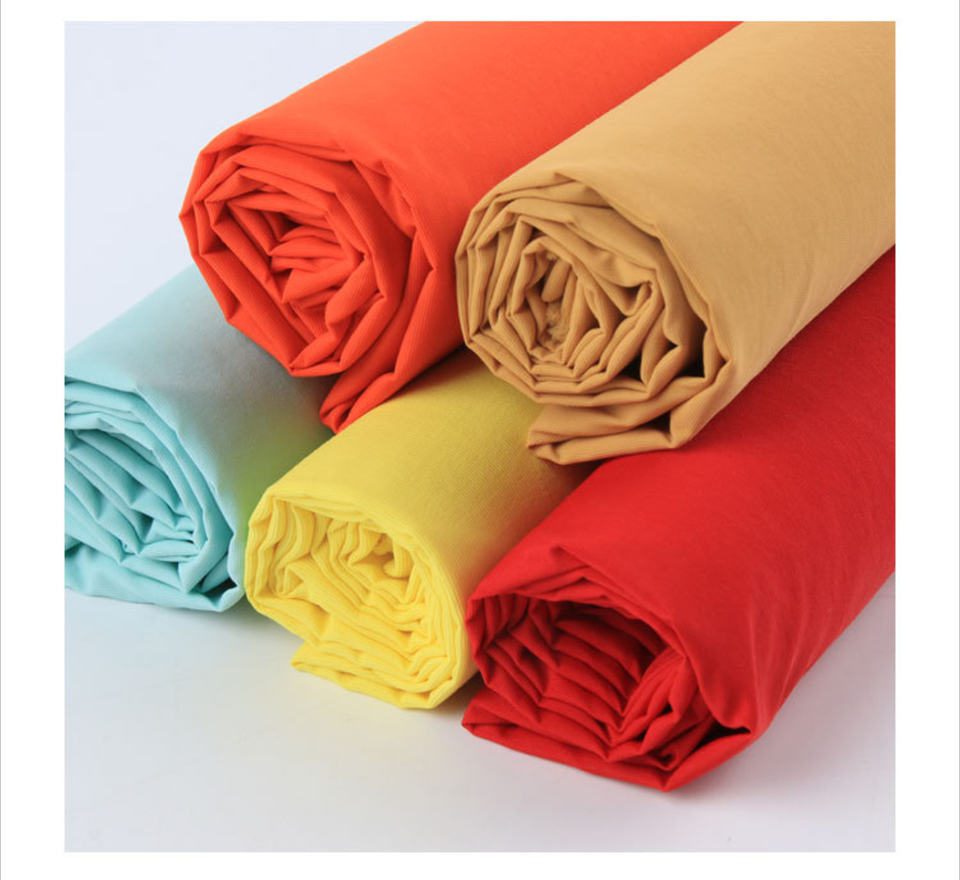


Make-to-order Taslon 228T nylon fabric with a plain appearance, lightweight handle, and waterproof, weather-resistant performance for functional apparel and sewn products.
For first-time clients, we typically do 30% down payment and 70% before shipping via T/T; For repeat clients, we would consider L/C. Other payment terms can be negotiated.
Payment methods for buying samples:

This make-to-order Taslon 228T nylon fabric is designed for windbreakers, sportswear, shorts, uniforms, and other products requiring a lightweight, soft, and weather-resistant material. The source describes the fabric as waterproof, windproof, breathable, durable, wear-resistant, comfortable, and easy to care for.
The product page refers to both a “PU coating” and a “TPU layer.” Because these are different constructions, buyers should confirm whether the quoted specification uses a PU coating, TPU film or lamination, or another available waterproof construction. Required waterproofness, breathability, coating durability, and other performance levels should be agreed before sampling and bulk production.
| Specification | Available Information |
|---|---|
| Product name | Taslon 228T Nylon Fabric |
| Fabric category | Taslon/Taslan nylon fabric; listed under Nylon Fabrics, Nylon Taslan, Taslon Fabric, and PUL Fabric |
| Material | Nylon; confirm the exact fiber-composition percentage |
| Product designation | 228T; confirm the applicable density definition and warp/weft construction |
| Appearance | Plain or solid-color presentation |
| Weight/GSM | Confirm with FabricsTrades |
| Width | Confirm with FabricsTrades |
| Stretch | Not stated; confirm if stretch is required |
| Finish or construction | The source refers to both PU coating and a TPU layer; confirm the final coating, film, lamination, or backing |
| Source-described performance | Waterproof, weather-resistant, windproof, breathable, durable, wear-resistant, lightweight, soft, and comfortable |
| Color options | Made to the customer’s requirements; any color is stated as available |
| Primary applications | Shorts, uniforms, sportswear, and windbreakers |
| Additional page-listed applications | Bags and luggage, costumes, and linings |
| Supply type | Make to order |
No hydrostatic-pressure rating, moisture-vapor transmission value, air-permeability result, coating weight, denier, or wash-durability grade is provided on the source page. Buyers requiring measurable performance should state the test method and acceptance level during quotation.
The product is identified as a Taslon nylon fabric with a 228T designation. Its plain appearance provides a practical base for solid-color outerwear, uniforms, and sportswear programs. Customer-specific colors can be developed through lab dips before approval sampling.
The source describes the material as lightweight, soft, and comfortable despite its durable, weather-resistant positioning. This combination can help create functional garments that feel less rigid than heavy protective shells. Exact weight, thickness, yarn construction, surface texture, and drape should nevertheless be assessed using a physical sample.
Waterproof and windproof performance is associated with the coated or layered construction. A PU coating and a TPU film or lamination can differ in hand, breathability, bonding requirements, hydrolysis resistance, wash durability, and seam-sealing compatibility. The final construction must therefore be identified on the quotation, technical sheet, and approved sample.
The fabric’s lightweight handle, wind resistance, and waterproof positioning make it a natural candidate for windbreakers, rain-oriented shells, training jackets, and packable outer layers.
Garment developers should confirm the required hydrostatic-pressure level, breathability, and wash durability. If the finished garment must resist rain penetration, evaluate seam sealing, zipper construction, hood design, pocket entry, and compatible seam tape. A waterproof fabric alone does not guarantee a waterproof garment.
For sportswear and shorts, the described softness, low weight, breathability, and durability can support training garments, warm-up pieces, team apparel, and outdoor activity styles.
Because stretch percentage is not stated, buyers should not assume the fabric provides mechanical or elastane-based stretch. Movement should be evaluated through garment pattern design and sample fitting. A mesh or lightweight lining may be considered where additional next-to-skin comfort, opacity, or moisture management is required.
The fabric may suit school, work, event, and sports uniforms that need a lightweight outer layer with weather resistance and straightforward care. Its custom-color availability can support team, corporate, or institutional color programs.
Uniform buyers should specify colorfastness, abrasion resistance, seam strength, dimensional stability, wash method, and required service life. Logo customization is available subject to the selected branding method and product requirements.
“Bag & Luggage” appears among the product’s page tags, making these secondary applications worth evaluating. Water resistance and wear resistance may benefit lightweight drawstring bags, sports bags, shoe bags, travel organizers, or lined luggage components.
Before approving a load-bearing or high-abrasion application, test tear strength, puncture resistance, coating adhesion, seam slippage, and compatibility with reinforcement materials. The source does not provide a weight or strength grade for heavy-duty luggage.
The page also identifies lining and costume uses. The fabric’s lightweight and soft characteristics may support functional linings, stagewear, event costumes, and weather-resistant costume components.
Suitability depends on the final coating or lamination, since it can affect drape, noise, breathability, and next-to-skin comfort. Review the sample under the intended lighting and garment construction, and determine whether an additional lining is necessary.
| Commercial Item | Source Information and Buyer Guidance |
| Color customization | Colors can be made to customer requirements; confirm the color standard and submit a reference or Pantone target where appropriate |
| Lab-dip time | Normally 3–5 days |
| Approval sample | Normally 7–10 days for a plain color |
| A4 sample | A free A4 reference sample is stated as available; confirm courier charges and dispatch terms |
| OEM service | Available depending on the request |
| Logo customization | The source states that logos can be customized; confirm the branding method, artwork, placement, and minimum quantity |
| MOQ | Not stated; confirm for the selected color, coating or lamination, and specification |
| Bulk lead time | The product table states normally 15–25 days after the down payment is ready and the lab dip is confirmed; the FAQ separately states 3–20 days for mass production. Confirm the order-specific schedule in the proforma invoice |
| Production capacity | More than 3 million meters per month |
| Price basis | Determined by required functions, quality, and quantity |
| Quantity pricing | The source describes three online quantity-price brackets, with more favorable pricing at larger quantities |
| First-order large-order payment | Typically 30% down payment and 70% before shipment by T/T |
| Other payment terms | T/T and L/C at sight are generally accepted; L/C may be considered for repeat clients, and other terms may be negotiated in advance |
| Sample payment method | Confirm the accepted method and any courier costs before dispatch |
| Shipping | Express and sea freight |
| Packaging | Confirm roll length, roll packing, labels, marks, and export-carton requirements |
| Unit conversion | 1 yard = 0.9144 meter |
| Factory visit | Visits are welcomed; airport or station pickup may be arranged |
Because production timing varies by color, finish, quantity, raw-material availability, testing, and approval status, the final lead time should be confirmed for each purchase order.
FabricsTrades is located in Wujiang District, Suzhou, within one of the world’s most concentrated textile manufacturing regions. In addition to operating its own 4-way stretch fabric factory, the company works as a fabric-sourcing and product-development partner.
Access to specialized weaving, knitting, dyeing, printing, coating, finishing, and garment-support facilities allows the team to evaluate different production routes for project-specific requirements. If this standard Taslon 228T option does not fully match the intended garment or sewn product, buyers can ask FabricsTrades to assess alternative colors, weights, widths, constructions, coatings, laminations, or other finishes. Feasibility, MOQ, price, testing, and lead time must be confirmed for the requested specification.
Waterproof and coated textiles require careful chemical and documentation review because performance may depend on a coating, lamination, membrane, or additional water-repellent finish. A PU or TPU description does not by itself prove the presence or absence of PFAS, and “waterproof” is not a certification or regulatory conclusion.
Requirements vary by destination, end-product category, finish, production date, and retailer program. Before quotation and sampling, communicate any restricted-substance list, PFAS requirement, test method, certification scope, or documentation format. When necessary, request available technical data, finish declarations, SDS or TDS documents, lot-specific test reports, certificates, traceability information, or third-party testing support. Document availability depends on the final specification, production batch, destination market, and testing request.
It is a lightweight, plain, waterproof-positioned nylon fabric intended primarily for shorts, uniforms, sportswear, and windbreakers. The product page also identifies bags, luggage, costumes, and linings as possible applications.
The source uses both “PU coating” and “TPU layer,” so the exact construction must be confirmed. Ask FabricsTrades to identify the coating or film type, application method, performance rating, and backing before quotation and sample approval.
No numerical rating is listed on the source page. Buyers should provide the required hydrostatic-pressure, air-permeability, or moisture-vapor standard and request available test information for the selected construction.
A lab dip normally takes 3–5 days. A plain-color approval sample normally takes 7–10 days.
Yes. OEM service depends on the project requirements, and logo customization is stated as available. Confirm the artwork, application method, quantity, and technical feasibility.
The stated production capacity is more than 3 million meters per month. Capacity allocation for a specific construction, color, and finish should be confirmed when placing the order.
The source provides two different timelines: normally 15–25 days after the down payment and lab-dip confirmation, and 3–20 days for mass production in the FAQ. Confirm the applicable schedule for the actual quantity and specification before ordering.
Yes. Factory visits are welcomed, and airport or station pickup may be arranged in advance.
Pricing depends on the required functions, quality, and quantity. The source describes three quantity-based online price brackets, with larger quantities receiving more favorable pricing. Request a current quotation for the final specification.
One yard equals 0.9144 meter.
The source page does not state an MOQ. Confirm the minimum quantity for the selected color, width, coating or lamination, and any logo or packaging customization.
Buyers may ask FabricsTrades about available reports, certificates, declarations, technical data, and third-party testing support. Availability and scope depend on the final specification, batch, destination market, and requested standard.
For an accurate quotation or sampling evaluation, please provide:
Contact FabricsTrades to request a quotation, free A4 reference sample, lab dip, approval sample, available technical or compliance documents, or a custom-development evaluation.



Error: Contact form not found.