


Polyester woven Morgan Silk fabric with a 250 g/m² weight, 150 cm width, twill construction, soft yet sturdy hand, and subtle sheen. Designed for autumn and winter tailoring, it is suitable for suits, workwear, uniforms, casual jackets, trousers, skirts, and coordinated separates.
For first-time clients, we typically do 30% down payment and 70% before shipping via T/T; For repeat clients, we would consider L/C. Other payment terms can be negotiated.
Payment methods for buying samples:

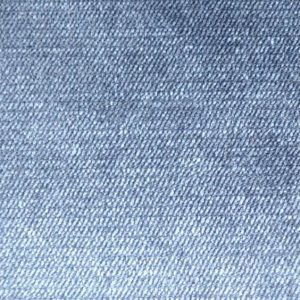
This 250 g/m² polyester woven Morgan Silk fabric combines a twill construction with a soft yet sturdy hand and a subtle, elegant sheen. Its medium weight and structured drape make it commercially relevant for autumn and winter suits, workwear, uniforms, casual jackets, trousers, skirts, and coordinated separates.
“Morgan Silk” is the product’s style or trade description. The source identifies the material as polyester and does not state that the fabric contains natural silk. Buyers requiring an exact fiber-percentage declaration should confirm the composition before ordering.
The fabric is supplied in a 150 cm width. The product imagery shows 37 numbered reference shades, while the page also states that colors can be developed according to customer requirements. Current stock colors, custom-color feasibility, and shade continuity should be confirmed during quotation and lab-dip approval.
| Parameter | Available Information |
|---|---|
| Product Name | Polyester Woven Morgan Silk Fabric |
| SKU / MPN | 1002 |
| Fabric Category | Polyester woven garment fabric |
| Composition | Polyester; exact fiber percentage or blend declaration should be confirmed |
| Construction | Woven twill |
| Weight | 250 g/m² |
| Width | 150 cm |
| Surface and Appearance | Morgan Silk-style appearance with a subtle sheen |
| Hand Feel | Described as soft, comfortable, and sturdy |
| Stretch | Not stated; confirm before pattern development |
| Finish, Coating, or Treatment | Not stated; confirm any required functional finish before quotation |
| Color Options | 37 reference shades shown; customer-requested colors are also described as available |
| Supply Type | Spot supply; confirm current stock quantity and shade availability |
| Main Applications | Autumn/winter suits, workwear, uniforms, casual wear, jackets, trousers, skirts, and tailored separates |
| Care Guidance | Described as suitable for machine or hand washing; final care instructions should be validated on the approved fabric and garment |
| MOQ | Confirm with FabricsTrades |
| Reference Sample | Free A4 reference swatch available |
| Lab-Dip Time | Normally 3–5 days |
| Plain-Color Approval Sample | Normally 7–10 days |
| Bulk Lead Time | The page states both 15–25 days after down payment and lab-dip confirmation and 3–20 days for mass production; confirm the applicable schedule for the order |
| Production Capacity | More than 3 million meters per month |
| Customization | Custom colors, OEM service, and logo customization subject to request and feasibility |
| Price | Based on quantity, quality level, required functions, and final specification; request a current quotation |
| Payment Terms | T/T and L/C at sight are generally accepted; other terms may be negotiated in advance |
| Shipping | Express or sea freight |
| Unit Conversion | 1 yard = 0.9144 meter |
| Packaging | Confirm roll length, inner packing, outer packing, labeling, and shipping marks before ordering |
The twill weave gives the surface a visible diagonal character while providing the structure expected from a medium-weight woven fabric. The existing product information describes the construction as durable, strong, and resistant to ordinary wear and tear, although no quantified abrasion, tensile, tear, or seam-strength results are provided.
Its Morgan Silk-style surface introduces a subtle sheen that can give tailored garments a smoother and more refined appearance than a purely matte workwear twill. Because sheen and apparent shade may change under different lighting or viewing directions, buyers should review a physical swatch and approval sample before bulk cutting.
The fabric is described as soft and comfortable while retaining a sturdy character. It is also described as breathable and easy to handle. These qualities can support garments that require a balance between wearer comfort, clean tailoring, and practical everyday use. Exact air permeability, thermal performance, stretch, recovery, and moisture-management properties have not been stated and should not be assumed without testing.
The 250 g/m² weight, woven twill structure, and soft-but-sturdy hand make this fabric suitable for autumn and winter blazers, suit jackets, trousers, skirts, waistcoats, and coordinated sets.
The subtle sheen can create a refined appearance for business-casual, contemporary uniform, travel, hospitality, and fashion-suiting programs. Its structure may support straight, semi-fitted, relaxed, or lightly oversized silhouettes. Buyers should approve the drape and recovery on a full garment sample, particularly for sharply tailored or close-fitting designs.
Lining may improve comfort, shape retention, and dressing performance in jackets, skirts, or trousers. Whether a lining is necessary will depend on the garment structure, chosen color, opacity, seam construction, and target price point.
The twill construction and source-described durability make the fabric relevant to service uniforms, office uniforms, hospitality garments, retail staff clothing, coordinated work jackets, trousers, skirts, and non-protective workwear.
For programs involving frequent washing or abrasion, buyers should specify the required colorfastness, dimensional stability, pilling, abrasion, seam-strength, and wash-cycle standards before sampling. The page does not state a certified protective function, antistatic property, flame resistance, high-visibility performance, chemical resistance, or weatherproof finish. These properties must not be assumed.
The fabric can be evaluated for casual blazers, lightweight structured jackets, overshirts, chore-inspired jackets, wide-leg trousers, straight-leg trousers, A-line skirts, and matching sets.
Its medium weight can provide more body than a lightweight shirting while remaining easier to drape and tailor than a very heavy outerwear fabric. The source-described soft hand supports casual garments intended to feel comfortable rather than rigid. Buyers should check whether the selected construction requires interfacing, shoulder support, reinforcement, or lining.
The subtle sheen and clean twill appearance can support smart-casual separates and selected formal styles. Garment designers can use the fabric for minimalist suits, polished work sets, occasion separates, or uniform collections where a refined surface is preferred.
The final level of formality will depend on color, pattern cutting, lining, pressing, trims, and garment construction. A bulk-quality sample should be reviewed under the lighting conditions expected in retail, hospitality, office, or event environments.
The page associates the product with coats, jackets, garments, and outdoor use. At 250 g/m², the fabric may be evaluated for light outer layers or uniform-style jackets. However, no waterproof, water-repellent, windproof, laminated, coated, thermal, or other technical outdoor performance is stated.
Buyers developing weather-protective or specialist workwear should communicate the exact performance standard before quotation. Additional finishing, construction changes, reinforcement, or laboratory testing may be necessary.
Supply and colors: The product is described as spot supply. The imagery displays 37 numbered color references, and customer-requested colors are also stated as available. Confirm current stock, available meterage, shade continuity, and custom-dyeing feasibility.
Reference sample: A free A4 reference swatch can be provided. Confirm courier charges, sample availability, and any additional sample-payment arrangements before dispatch.
Lab dips and approval samples: Lab dips normally require 3–5 days. Plain-color approval samples normally require 7–10 days.
OEM and branding: OEM service and logo customization may be available depending on the request. Provide the branding method, artwork, dimensions, placement, quantity, and packaging requirements for feasibility review.
Production capacity: The stated monthly production capacity is more than 3 million meters.
Lead time: Two lead-time statements appear on the page: normally 15–25 days after the down payment is ready and the lab dip is confirmed, and 3–20 days for mass production. The applicable schedule should be confirmed according to quantity, color, finish, raw-material status, approval timing, and production planning.
Pricing: The final price depends on quantity, quality level, required functions, and final specification. The page describes three quantity-based price brackets, with larger orders generally receiving more favorable pricing. Request a current quotation rather than relying on a placeholder online price.
MOQ and packaging: The MOQ and packaging specification are not stated. Confirm the minimum quantity, roll length, packing method, labeling, shipping marks, and any customized packaging before ordering.
Payment: T/T and L/C at sight are generally accepted, with other terms negotiable in advance. For large first orders, the typical arrangement is 30% down payment and 70% before shipping by T/T. L/C may be considered for repeat clients.
Shipping: Express and sea freight are available. Select the method according to sample urgency, order volume, destination, delivery target, and landed-cost requirements.
Unit conversion: One yard equals 0.9144 meter.
Factory visits: Buyers are welcome to arrange a factory visit. Airport or railway-station pickup may be available with advance coordination.
FabricsTrades is located in Wujiang District, Suzhou, within one of the world’s most concentrated textile manufacturing regions. In addition to its own manufacturing capabilities, the company works with specialized weaving, knitting, dyeing, printing, coating, finishing, and garment-support facilities throughout the regional supply chain.
If this standard 250 g/m² Morgan Silk twill does not fully match the project, the team can help evaluate alternative weights, constructions, colors, finishes, specifications, or development routes. Availability and feasibility depend on the required performance, quantity, testing standard, target price, and production schedule.
This regional network can also support lab-dip coordination, sample development, mill communication, bulk-production planning, and the collection of available technical or compliance documentation.
For apparel programs entering the EU or other regulated markets, buyers may need accurate fiber-composition information, supplier and batch traceability, restricted-substance controls, care and labeling data, and supporting test or declaration records.
The EU Ecodesign for Sustainable Products Regulation establishes a framework under which product-specific ecodesign and Digital Product Passport requirements can be developed. The exact requirements and implementation schedule depend on the applicable product group and delegated rules. Buyers can review the ESPR and Digital Product Passport for Chinese Fabric Supply Chains resource for sourcing context.
Requirements also vary by destination, end product, finish, date of sale, retailer protocol, and intended use. The 2024–2026 Global Textile Compliance Guide provides a broader overview of issues that international textile buyers may need to assess.
These resources do not prove that this fabric is certified or compliant with a particular law or buyer standard. Before sampling and quotation, communicate the destination market, garment category, restricted-substance standard, testing protocol, and documentation requirements. Depending on the final specification and production batch, contact FabricsTrades to request available test reports, fiber-composition information, technical data, certificates, declarations, traceability records, or third-party testing support.
No. The product page identifies it as polyester woven Morgan Silk fabric. “Morgan Silk” is the style or trade description; the exact polyester percentage or any blend content should be confirmed with FabricsTrades.
The product imagery states a weight of 250 g/m² and a width of 150 cm.
It is primarily intended for autumn and winter suits, workwear, uniforms, casual wear, jackets, trousers, skirts, and tailored separates. The suitability of a particular garment should be confirmed through sampling and garment trials.
The page does not state a stretch percentage, coating, membrane, water-repellent finish, antistatic property, flame resistance, or other protective performance. Confirm any such requirement before quotation and sampling.
A lab dip normally requires 3–5 days. A plain-color approval sample normally requires 7–10 days.
Yes. OEM service depends on the project requirements, and logo customization may be available. Submit the design, quantity, application, and branding method for feasibility confirmation.
The stated production capacity is more than 3 million meters per month.
The page lists 3–20 days for mass production and also states that delivery is normally 15–25 days after the down payment and lab-dip confirmation. Confirm the applicable schedule for the specific quantity, color, finish, and order.
Yes. Factory visits are welcome, and airport or railway-station pickup may be arranged with advance notice.
Pricing is determined by quantity, quality level, required functions, and final specification. The page describes three quantity-based price brackets, with larger quantities generally receiving more favorable pricing.
One yard equals 0.9144 meter.
Yes. Available documentation depends on the final specification, finish, production batch, destination, and test request. Ask FabricsTrades about available test reports, certificates, declarations, technical data, traceability information, or third-party testing support before bulk production.
To request a quotation, A4 reference swatch, lab dip, approval sample, or custom-development evaluation, provide:
FabricsTrades can then confirm current stock, custom-color feasibility, sampling schedule, applicable bulk lead time, price, payment terms, and available supporting documentation.



Error: Contact form not found.