Hemp fabric is a textile made from fibers extracted from the stalk of industrial hemp, a form of Cannabis sativa. It belongs to the bast-fiber family alongside flax, ramie, and jute.
The material is valued for its strength, breathability, moisture management, textured appearance, and ability to soften with use. However, hemp fabric is not automatically soft, sustainable, organic, chemical-free, or suitable for every application. Its performance and environmental profile depend on cultivation, fiber extraction, degumming, spinning, fabric construction, dyeing, finishing, and transportation.
For buyers, the important question is therefore not simply “Is this hemp?” It is: “What hemp content, yarn, construction, finish, performance, and documentation does this particular fabric provide?”
Hemp Fabric at a Glance
| Attribute | Practical description |
|---|---|
| Fiber source | Bast fibers from the stalk of Cannabis sativa |
| Fiber type | Natural cellulosic bast fiber |
| Typical hand feel | Crisp or textured when new; may soften through processing, wear, and washing |
| Breathability | Generally good, although fabric construction and finish matter |
| Moisture behavior | Absorbent and capable of managing moisture |
| Stretch | Low natural elasticity; stretch normally comes from knit construction or blended elastane |
| Durability | Hemp fiber can be strong, but finished-fabric durability depends on yarn and construction |
| Common forms | Woven cloth, canvas, twill, jersey, denim-like fabric, blends, home textiles, and industrial textiles |
| Common blends | Cotton, linen, viscose, lyocell, polyester, wool, silk, and elastane |
| Key sourcing variables | Hemp percentage, fiber length, yarn system, GSM, weave or knit, finishing, colorfastness, shrinkage, and documentation |
These characteristics describe hemp fabric in general. A supplier should confirm measurable performance against the actual fabric specification rather than relying on fiber-level claims.

What Is Hemp Fabric Made From?
Textile hemp comes from fibers located in the bast layer of the plant’s stalk. The stalk contains both an outer fibrous portion and a woody inner core, commonly called hurd or shiv. Textile processing separates the bast material from the woody portion and refines it into fibers that can be spun.
Industrial hemp and marijuana belong to the same plant species, but they are cultivated and regulated differently. Legal definitions also vary by jurisdiction. In the United States, for example, the USDA’s hemp production framework uses a total delta-9 tetrahydrocannabinol concentration limit of no more than 0.3% on a dry-weight basis. That cultivation rule should not be treated as a universal international definition or as a finished-textile certification.
Hemp textiles may be made from:
- Long fibers processed for bast-fiber spinning systems
- Shorter, “cottonized” fibers adapted to cotton spinning equipment
- Mechanically or chemically refined fibers
- Pure hemp yarn
- Blended yarn containing hemp and one or more other fibers
The term “hemp fabric” does not, by itself, disclose the exact fiber percentage. Buyers should request a composition declaration and verify the labeling rules that apply in the destination market.
What Does Hemp Fabric Feel Like?
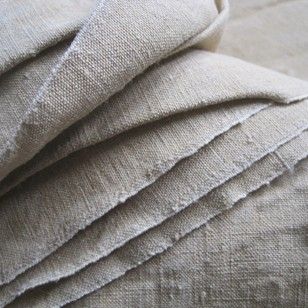
Hemp is often compared with linen because both are bast fibers. An unfinished or minimally processed hemp fabric may feel crisp, dry, firm, or slightly coarse. Finer fibers, finer yarns, blended constructions, enzyme treatments, washing, and other finishing processes can produce a softer hand.
The final feel depends on several variables:
- Fiber fineness and length
- Degree and method of degumming
- Yarn count and twist
- Woven or knitted construction
- Hemp percentage
- Blended fiber
- Fabric weight
- Mechanical or chemical softening
- Garment washing
- Dyeing and finishing
A description such as “soft hemp” is therefore not a technical specification. Buyers should approve a physical swatch, lab dip, sample garment, or finished prototype before bulk production.
Key Properties of Hemp Fabric
Strength and durability
Hemp fibers are generally recognized for their strength. This can support durable fabrics for apparel, bags, home furnishings, workwear, and other demanding applications.
Fiber strength alone does not guarantee finished-product durability. Tear strength, tensile strength, seam performance, abrasion resistance, pilling, and dimensional stability are also influenced by yarn quality, fabric construction, weight, finishing, and garment design.
Where durability is commercially important, buyers should establish test methods and acceptance criteria for the finished fabric.
Breathability
Hemp fabrics can be breathable, particularly when made with open or lightweight constructions. This makes the fiber relevant to warm-weather apparel, shirts, dresses, bedding, and casual clothing.
Breathability should not be inferred from fiber content alone. A dense canvas, coated fabric, laminated construction, or heavily finished material may behave very differently from a lightweight plain weave.
Moisture absorption
As a natural cellulosic fiber, hemp can absorb moisture. This can support wearer comfort, towels, bedding, and summer apparel.
Claims such as “moisture-wicking” require care. Absorption and wicking are not identical: wicking describes how liquid moves through a fabric structure. If rapid drying or moisture transport is a product requirement, test the finished fabric instead of relying on a generic hemp claim.
Low natural stretch and recovery
Hemp fiber has limited natural elasticity. Pure woven hemp fabric may therefore crease and may not provide the recovery required for close-fitting garments.
Manufacturers may address this by using:
- Knitted constructions
- Hemp-cotton blends
- Hemp-viscose or hemp-lyocell blends
- Hemp-polyester blends
- Elastane for stretch and recovery
- Mechanical finishing to modify the hand
The correct blend depends on the intended appearance, comfort, recovery, durability, care requirements, and labeling strategy.
Softening over time
Many hemp textiles become more comfortable with washing and use. However, the amount of softening varies by fabric. Excessive laundering, unsuitable chemistry, or aggressive mechanical treatment can also affect dimensions, appearance, color, or strength.
Bulk care instructions should be established using wash testing on the approved production-quality fabric.
Dyeing and finishing behavior
Hemp can be dyed and printed, but results depend on fiber preparation, yarn quality, pretreatment, colorant system, and finishing route. Poor preparation can contribute to uneven dyeing, variable shade, residual impurities, or an inconsistent surface.
Buyers should communicate:
- Target color and approved color standard
- Permitted dye and finishing systems
- Restricted-substance requirements
- Wash and rubbing colorfastness criteria
- Light or perspiration fastness where relevant
- Shrinkage tolerance
- Surface appearance and hand-feel requirements
How Is Hemp Fabric Made?
Hemp textile manufacturing varies by region and production system, but the typical sequence includes the following stages.
1. Cultivation and harvesting
Hemp intended for textile fiber is cultivated to develop suitable stalks and bast fibers. Variety, planting density, climate, harvest timing, and agricultural practices can influence fiber yield and quality.
Hemp grown primarily for seed or other outputs may not deliver the same textile characteristics as a crop managed for fiber.
2. Retting
Retting loosens the bonds between bast fibers and the woody parts of the stalk. Methods may include field or dew retting, water retting, controlled microbial processes, or other managed systems.
Retting has a major effect on fiber color, cleanliness, separability, strength, and consistency. Under-retting can make separation difficult, while excessive retting can damage fiber quality.
3. Decortication
Decortication mechanically separates the outer bast material from the woody core. The output may still contain hurd, dust, short fibers, or other impurities that require further cleaning.
4. Breaking, scutching, and cleaning
The material is processed to remove remaining woody matter and align or refine the fiber bundles. Traditional bast-fiber production may include breaking, scutching, and hackling or combing.
5. Degumming and fiber refinement
Pectins, lignin, waxes, and other non-cellulosic substances can bind hemp fiber bundles together. Mechanical, chemical, biological, or enzymatic treatments may be used to refine the material.
The chosen process affects softness, fineness, strength, wastewater, chemical inputs, yield, and spinnability. Buyers making environmental claims should obtain information about both cultivation and processing.
6. Cottonization, when required
Hemp may be shortened, opened, and refined so that it can run through cotton spinning systems. Cottonization can make blending and large-scale spinning more practical, but it changes the fiber form and may affect yarn and fabric properties.
7. Spinning
Prepared fibers are spun into yarn. Hemp may be spun alone or blended with cotton, viscose, lyocell, polyester, wool, silk, or other fibers.
The spinning system, fiber length, yarn count, twist, evenness, and blend ratio all affect the finished fabric.
8. Weaving or knitting
Hemp yarn can be woven or knitted into many constructions, including plain weave, twill, canvas, jersey, and heavier utility fabrics. Construction and weight should be selected according to the intended end use.
The fabric may be bleached, dyed, printed, washed, softened, calendared, coated, or given another finish. These operations can improve usability but may also change the environmental profile, hand feel, breathability, durability, and regulatory requirements of the final material.
9. Dyeing and finishing

Common Types of Hemp Fabric
Hemp is one fiber, but hemp textiles are not a single uniform fabric type.
100% hemp fabric
Pure hemp constructions emphasize the natural fiber’s characteristic texture, absorbency, and strength. Depending on processing, they may have a crisp or linen-like hand and limited stretch.
Hemp-cotton fabric
Cotton can modify softness, familiarity, spinning behavior, drape, and cost. Buyers developing mixed natural-fiber products can compare available cotton-blend fabric options while confirming whether a specific supplier can produce the required hemp composition.
Hemp-viscose or hemp-lyocell blends
Regenerated cellulosic fibers may be used to create a smoother hand and more fluid drape. The exact fiber identity must be declared correctly; “plant-based” is not an adequate substitute for a proper composition statement.
Hemp-synthetic blends
Polyester or nylon may be introduced to modify durability, drying behavior, dimensional stability, price, or processing. Elastane may be added when stretch recovery is required.
A blended material should not be marketed as biodegradable or wholly natural unless the complete composition and relevant evidence support that claim.
Hemp knits
Knitted hemp and hemp-blend fabrics can provide more mechanical stretch and a softer casual appearance than many woven constructions. Applications include T-shirts, tops, leisurewear, and lightweight garments.
Hemp canvas and heavier woven fabrics
Heavier constructions are used for bags, upholstery, accessories, workwear, shoes, and utility products. These applications may require testing for abrasion, seam strength, tear strength, dimensional stability, and colorfastness.
What Is Hemp Fabric Used For?
Common applications include:
- Shirts, trousers, dresses, jackets, and casualwear
- T-shirts and knitted apparel
- Workwear and uniforms
- Bags, footwear components, and accessories
- Towels, bedding, table linens, curtains, and upholstery
- Canvas, cordage, and utility textiles
- Blended fabrics requiring a natural or linen-like appearance
- Selected technical and composite applications
Product suitability should be confirmed at the fabric and finished-product levels. A hemp fabric designed for upholstery, for example, may be too heavy or coarse for next-to-skin apparel.

Advantages and Limitations
Potential advantages
- Natural bast-fiber origin
- Good strength potential
- Breathable constructions are possible
- Moisture absorption
- Distinctive dry or linen-like appearance
- Can soften through finishing, laundering, and wear
- Can be used alone or in blends
- Relevant to durable-product and natural-material strategies
Potential limitations
- Higher or less stable prices than established commodity fibers
- Limited availability of consistent, textile-grade fiber in some regions
- Variable color, fineness, cleanliness, and hand feel
- Low natural elasticity
- Creasing in some constructions
- Additional processing may be required for softness
- Dyeing and finishing can change the material’s environmental profile
- “Hemp” does not automatically mean organic, traceable, low-impact, or free from restricted substances
Is Hemp Fabric Sustainable?
Hemp can be part of a lower-impact textile strategy, but sustainability should be evaluated from evidence rather than from fiber identity alone.
Relevant variables include:
- Seed variety and cultivation region
- Irrigation and rainfall
- Fertilizer and pesticide use
- Land management and yield
- Retting method
- Decortication efficiency
- Degumming chemistry
- Water and energy consumption
- Dyeing and finishing
- Wastewater treatment
- Fiber utilization and by-products
- Transport distances
- Fabric durability
- Product care and useful life
- End-of-life design
- Supporting traceability and certification
Hemp is sometimes described as universally pesticide-free, carbon-negative, or inherently more sustainable than cotton. Those are overly broad conclusions unless supported by a defined farm, processing route, system boundary, and credible assessment.
The United Nations Conference on Trade and Development has identified industrial hemp as a crop with applications that include textiles, while also emphasizing the importance of coherent policy, processing capacity, and value-chain development. Buyers should convert broad environmental narratives into supplier-specific questions and records.
How to Source Hemp Fabric
A useful sourcing specification should cover more than the word “hemp.”
Composition and identity
Confirm:
- Hemp percentage
- Other fiber percentages
- Whether the blend occurs at fiber, yarn, or fabric level
- Fiber-content test or declaration requirements
- Required market terminology and labeling language
Construction
Define:
- Woven or knitted structure
- Yarn count
- Fabric weight and tolerance
- Width and usable width
- Density or stitch specification
- Target hand feel
- Surface appearance
- Color and finishing route
Performance
Depending on the product, specify tests for:
- Dimensional stability
- Tensile and tear strength
- Seam performance
- Abrasion resistance
- Pilling
- Colorfastness to washing and rubbing
- Colorfastness to light or perspiration
- Spirality for knitted fabrics
- Stretch and recovery
- Restricted substances
A structured fabric quality inspection process can help connect approved samples and specifications to bulk-production controls.
Documentation
Potential documentation may include:
- Composition declaration
- Country-of-origin information
- Transaction and chain-of-custody records
- Test reports for the relevant batch or material
- Safety data for applicable chemical products
- Restricted-substance declarations
- Certification scope and validity
- Dye and finish information
- Packaging information
- Production lot references
Documentation requirements should be communicated before quotation and sampling, because they can affect supplier selection, lead time, testing, and cost.
Sampling and approval
A practical sequence is:
- Define the end use and target market.
- Establish composition and construction requirements.
- Review available swatches.
- Confirm lab dips or prints.
- Test the selected fabric.
- Produce a garment or product prototype.
- Approve a signed reference sample.
- Inspect bulk production against the approved standard.
FabricsTrades operates from Wujiang District, Suzhou, and supports international buyers with fabric sourcing, product development, customization, sampling, testing coordination, and supply-chain communication. Availability and project-specific capabilities should be confirmed during inquiry and quotation.
Current Regulatory and Market Update
Hemp fabric is subject to the textile and consumer-product rules of the market where it is sold. Agricultural permission to grow hemp does not automatically establish that a finished fabric is correctly labeled, chemically compliant, certified, or suitable for a particular product.
EU fiber labeling
Regulation (EU) No 1007/2011 governs textile fiber names and related composition labeling for products placed on the EU market. Its Annex I lists “true hemp” as fiber obtained from the bast of Cannabis sativa. The regulation also addresses how fiber compositions are presented and generally applies to textile products containing at least 80% textile fibers by weight.
Buyers should confirm the legally appropriate fiber name, composition percentages, language, and presentation for the destination country and finished product.
ESPR and product data
Regulation (EU) 2024/1781, the Ecodesign for Sustainable Products Regulation, is in force as a framework regulation. It establishes a basis for future product-specific ecodesign and information requirements and introduces the Digital Product Passport framework.
It does not mean that every hemp fabric already has an identical, fully operational DPP obligation. Detailed requirements depend on applicable delegated measures and product scope. Nevertheless, EU-facing textile programs can begin organizing composition, origin, processing, substances, durability, supplier, and traceability data. FabricsTrades’ overview of ESPR and Digital Product Passport implications for Chinese fabric supply chains provides related supply-chain context but should not replace the official legislation or product-specific legal advice.
Finishes and restricted substances
A natural fiber is not automatically free from regulated chemicals. Dyes, softeners, water-repellent treatments, coatings, printing chemicals, and other finishes can introduce separate restricted-substance considerations.
Programs using water-, oil-, or stain-repellent treatments should communicate destination-market and buyer requirements before sampling. Testing and documentation may vary with the finish, final product, market, production batch, and date of sale.
Environmental and certification claims
“Hemp,” “organic hemp,” “sustainable,” “biodegradable,” and similar claims are not interchangeable. A certification claim should identify:
- The certification or standard
- The certified organization and processing stage
- The scope and validity period
- Whether the certificate covers the specific product
- Whether transaction documentation is required
- The percentage of certified material
Buyers should verify current legal, certification, retailer, and marketplace requirements before bulk production or publication of environmental claims.
Hemp Fabric Care
Always follow instructions validated for the specific fabric and finished product. General buyer-side care development should consider:
- Washing temperature
- Bleaching restrictions
- Drying method
- Ironing temperature
- Shrinkage after repeated washes
- Dye transfer and fading
- Garment construction
- Coatings, prints, trims, and blended fibers
Warm washing is not universally appropriate for every hemp fabric. Prewashed, dyed, coated, knitted, and blended products may require different care instructions.

Frequently Asked Questions
Is hemp fabric the same as marijuana?
No. Textile hemp is produced from industrial hemp cultivated for fiber or other permitted uses. Legal definitions and THC thresholds vary by jurisdiction, so agricultural and import requirements should be checked for the relevant country.
Is hemp fabric soft?
It can be, but softness depends on fiber refinement, yarn, construction, blend, and finishing. Some hemp fabrics are crisp or coarse when new, while finer or washed fabrics may feel substantially softer.
Is hemp fabric stretchy?
Hemp fiber has low natural elasticity. Stretch normally comes from knitted construction or from blending hemp with elastane or another suitable fiber.
Is hemp fabric stronger than cotton?
Hemp fiber is generally associated with good strength, but a fiber-level comparison cannot predict every fabric. Yarn quality, weight, weave or knit, finishing, and test method determine the performance of the finished material.
Is hemp fabric always sustainable?
No. Hemp may offer environmental advantages in certain systems, but cultivation, retting, chemical processing, dyeing, energy, wastewater, transportation, durability, and traceability must all be considered.
Can hemp fabric be organic?
Hemp can be grown and processed within an organic certification system, but the word “hemp” alone does not prove organic status. Verify certificates, scope, validity, material percentages, and transaction records.
Can hemp fabric be used for clothing?
Yes. Hemp and hemp-blend fabrics are used for shirts, trousers, dresses, jackets, T-shirts, workwear, and accessories. The correct construction and finish depend on the garment’s comfort and performance requirements.
What should buyers request from a hemp fabric supplier?
At minimum, request the precise composition, construction, GSM, width, finish, color standard, performance requirements, care expectations, test documentation, certification scope where applicable, minimum order quantity, lead time, and approved sample procedure.
Final Sourcing Takeaway
Hemp is a versatile natural bast fiber, but its name alone does not define the quality or sustainability of a finished textile. Processing, yarn design, construction, blending, finishing, testing, and documentation determine whether the fabric is suitable for a particular product.
Before bulk production, buyers should approve a physical sample, create measurable specifications, test the intended construction, verify fiber labeling and claims, and communicate destination-market requirements to the supplier.