


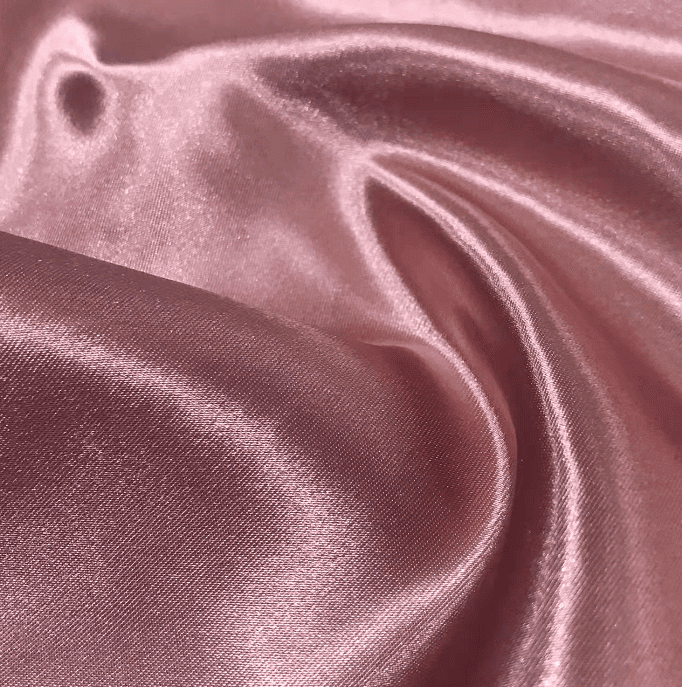


This make-to-order soft polyester satin combines a bright, lustrous surface with a smooth, silky hand and fluid drape. Developed primarily for nightwear, it supports elegant silhouettes for nightgowns, robes, pajama sets, and related intimate-apparel designs.
For first-time clients, we typically do 30% down payment and 70% before shipping via T/T; For repeat clients, we would consider L/C. Other payment terms can be negotiated.
Payment methods for buying samples:

This make-to-order polyester satin is designed primarily for nightwear that requires a smooth hand, bright surface, and fluid visual effect. The fabric is described as soft, silky, lightweight, breathable, and comfortable, with the drape needed for nightgowns, robes, pajamas, and other flowing intimate-apparel designs.
Custom colors are available according to buyer requirements. The fabric is also presented as durable, suitable for repeated washing and wear, and able to retain its color and brightness. Because the current product information does not provide measured wash, colorfastness, breathability, or durability results, buyers should confirm the required test standard and request available supporting reports before bulk production.
Exact composition percentage, weight, width, yarn specification, density, opacity, and stretch are not published. Confirm these parameters with FabricsTrades during quotation and sample development.
| Specification | Available Information |
|---|---|
| Product Name | The Most Popular Soft Satin Fabric Reliable Quality Colorful Bright Satin Polyester Fabrics for Sexy Nightwear |
| Fabric Category | Polyester satin |
| Fiber Composition | Polyester; exact percentage should be confirmed |
| Supply Type | Make to order |
| Surface and Appearance | Smooth, bright, lustrous satin surface |
| Hand Feel | Soft and silky |
| Drape | Fluid, body-following drape |
| Source-Described Properties | Lightweight, breathable, durable, comfortable, and suitable for frequent washing; confirm required performance through testing |
| Weight/GSM | Not stated; confirm with FabricsTrades |
| Width | Not stated; confirm with FabricsTrades |
| Yarn Count/Denier and Density | Not stated; confirm with FabricsTrades |
| Stretch | Not stated; confirm stretch direction, percentage, and recovery if required |
| Opacity | Not stated; evaluate the selected color and specification during sampling |
| Colors | Made according to customer requirements; the source states that any color is available |
| Primary Applications | Nightgowns, robes, pajamas, and related nightwear |
| Conditional Applications | Dresses, skirts, shirts and blouses, bridal or wedding garments, linings, and selected decorative products, subject to specification approval |
| MOQ | Not stated; confirm for the selected color and specification |
| A4 Reference Sample | Available free of charge |
| Plain-Color Lab Dip | Normally 3–5 days |
| Plain-Color Approval Sample | Normally 7–10 days |
| Bulk Lead Time | One source table states normally 15–25 days after the down payment is ready and the lab dip is confirmed; the existing FAQ states 3–20 days for mass production. Confirm the order-specific schedule before purchase |
| Monthly Production Capacity | More than 3 million meters, as stated in the existing product FAQ |
| Price Basis | Based on required functions, quality level, and quantity; the source describes three quantity-based price brackets, with larger quantities receiving more favorable pricing |
| Payment Terms | Usually T/T or L/C at sight, with other terms negotiable in advance. For first-time clients, the page states 30% down payment and 70% before shipping by T/T; L/C may be considered for repeat clients |
| Shipping | Express delivery or sea freight |
| Unit Conversion | 1 yard = 0.9144 meter |
| Factory Visit | Factory visits are welcome; airport or station pickup may be arranged |
The product is presented as polyester satin with a smooth, light-reflective face. This creates the polished appearance associated with fashion nightwear and allows colors to appear bright and visually prominent.
Its soft, silky hand is intended for garments worn close to the body. The source also describes the fabric as lightweight and breathable, but no GSM or air-permeability result is supplied. Buyers developing warm-weather or next-to-skin garments should approve the final construction through a physical sample rather than relying on a general fabric description.
The fabric is described as having a flowing drape that follows the body and supports soft, feminine silhouettes. Final drape will depend on the selected weight, density, finishing route, and garment construction, all of which should be confirmed during development.
The supplier also describes environmentally friendly materials and production processes. However, the available information does not identify recycled content, a certification, an environmental standard, or supporting test data. Buyers should request documentation for the final production specification before making sustainability or recycled-content claims.
The glossy surface and fluid drape make this satin suitable for nightgowns, slip-style nightdresses, and lingerie-inspired sleepwear. It can create clean, flowing lines and highlight gathered, bias-cut, or softly shaped silhouettes.
Opacity, stretch, and weight are not stated, so designers should evaluate whether the chosen color and garment pattern require lining, double-layer construction, or strategically placed panels. Bias-cut styles should be sampled for seam stability, growth, and finished garment dimensions before grading or bulk cutting.
For robes and dressing gowns, the smooth satin face provides an elegant appearance and visible movement. It may be combined with belts, lace, piping, cuffs, or contrasting trims to create coordinated sleepwear collections.
The garment factory should test seam strength at the armholes, belt loops, pocket openings, and other stress points. Where the fabric is particularly fluid or prone to shifting, controlled cutting and suitable stabilization may improve production consistency.
The source-described soft, lightweight, and breathable character makes the fabric relevant to pajama shirts, camisoles, shorts, and coordinated sets. Its bright colors can support fashion-led, private-label, and seasonal sleepwear programs.
Because no measured breathability, stretch, or wash-performance data is supplied, buyers should approve the final fabric and garment sample for comfort, ease of movement, seam behavior, colorfastness, and repeated-care requirements.
The page also identifies dresses, skirts, shirts and blouses, wedding or bridal garments, and linings as possible applications. These uses are conditional on the final weight, opacity, structure, and drape.
For occasion dresses or skirts, the satin can provide shine and flowing movement. Blouses may benefit from its smooth surface and soft fall. Bridal programs should evaluate color consistency, opacity under strong lighting, snagging, seam appearance, and compatibility with lace, embroidery, beading, or other embellishments.
The smooth surface may be considered for selected garment linings or decorative products. Buyers should confirm whether the final specification provides the required slip, abrasion resistance, dimensional stability, and colorfastness.
No upholstery, flame-retardancy, waterproofing, outdoor-weathering, or structural-performance data is published. Applications requiring these properties need a separately confirmed construction, finish, and testing program.
Before approving the fabric, confirm:
Smooth satin can shift during spreading and cutting. A trial cutting plan may be useful for styles requiring bias panels, narrow straps, curved seams, or matching components.
Use an appropriate sharp needle, compatible thread, and a seam construction approved through testing. Evaluate puckering, seam slippage, needle marks, fraying, and snagging before bulk production. Enclosed, overlocked, or bound seam finishes may be considered according to the garment design and fabric behavior.
Opacity can vary with color, weight, lighting, and garment fit. Approve the selected shade on the intended garment or over the expected skin-tone and lining conditions.
Test lace, elastic, piping, embroidery, printing, heat-transfer decoration, bonding, and other trims on the actual fabric. Confirm that the process does not distort the satin surface, cause shine changes, damage the face, or create unwanted color migration.
The source describes the fabric as durable, suitable for frequent washing, and able to retain its brightness. Buyers should establish care-label instructions from the final fabric and garment test results.
Depending on the program, testing may include colorfastness, dimensional change, seam slippage, snagging, abrasion, pilling, tensile or tear strength, and restricted substances. Required methods and acceptance levels should be communicated before quotation and sampling.
FabricsTrades can evaluate custom colors, OEM requirements, logo customization, and project-specific specifications. Feasibility depends on the requested construction, finish, quantity, and performance target.
A typical development process may include:
The page contains two bulk lead-time references: 3–20 days for mass production and normally 15–25 days after the down payment and lab-dip confirmation. The applicable schedule should therefore be confirmed in writing for each order.
Located in Wujiang District, Suzhou, FabricsTrades works within one of the world’s most concentrated textile manufacturing regions. In addition to its own manufacturing capabilities, the company can coordinate with specialized weaving, knitting, dyeing, printing, coating, finishing, and garment-support facilities.
If the standard satin does not meet a project requirement, the team can help evaluate alternative colors, constructions, finishes, specifications, or development routes. Availability depends on technical feasibility, order quantity, target price, and testing requirements, so custom requests should be communicated before sampling and quotation.
Regulatory and retailer requirements vary by destination market, garment category, final finish, production batch, and date of sale. This product page does not establish that the fabric is certified, PFAS-free, or compliant with a particular market requirement.
If a project requires a restricted-substance standard, communicate it before lab-dip development and quotation. Available reports, declarations, certificates, technical data, traceability information, or third-party testing support may depend on the final specification, production batch, destination market, and testing request.
A plain-color lab dip normally takes 3–5 days. A plain-color approval sample normally takes 7–10 days.
Yes. OEM service depends on the buyer’s requirements, and logo customization can be evaluated for the project.
The existing product information states that monthly production capacity has reached more than 3 million meters.
The existing FAQ states 3–20 days for mass production. A separate product table states normally 15–25 days after the down payment is ready and the lab dip is confirmed. Confirm the applicable lead time for the specific color, quantity, and production route before ordering.
Yes. Factory visits are welcome, and airport or station pickup may be arranged.
Price is determined by the required functions or specification, quality level, and order quantity. The source describes three quantity-based price brackets, with larger quantities receiving more favorable pricing. Request a current quotation for the final specification.
One yard equals 0.9144 meter.
For an accurate quotation or development assessment, provide:
Contact FabricsTrades to request a quotation, free A4 reference sample, lab dip, approval sample, available test report, declaration, certificate, technical information, or custom-development evaluation.



Error: Contact form not found.