


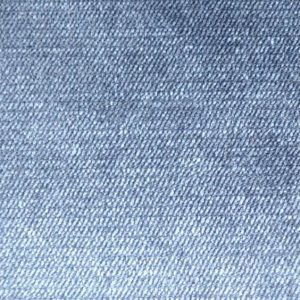
A shiny, silky satin fabric developed for women’s dresses, pajamas, shirts, blouses, and other fashion applications. The fabric is described as soft, smooth, flexible, and easy to drape, with custom colors and several weight, width, yarn, and finishing options available.
For first-time clients, we typically do 30% down payment and 70% before shipping via T/T; For repeat clients, we would consider L/C. Other payment terms can be negotiated.
Payment methods for buying samples:

This shiny satin fabric is positioned for women’s dresses, pajamas, shirts, blouses, skirts, linings, and related fashion products that require a smooth surface, noticeable sheen, soft hand feel, and fluid visual effect. The existing product description characterizes it as silky, stretchy, comfortable, flexible, and easy to drape.
The source contains an important specification discrepancy: the product title and marketing copy identify the fabric as polyester-spandex, while the technical table lists the material as 100% polyester. It also describes the fabric as stretchy without stating the stretch direction, stretch percentage, or recovery. Buyers should therefore confirm the exact composition and stretch specification for the selected construction before sampling, quotation, or bulk production.
| Specification | Available Information |
|---|---|
| Product name | Shiny Polyester Spandex Silky Stretchy Satin Fabric for Clothing |
| Fabric type | Polyester satin / shiny satin fabric |
| Composition | Product title and description: polyester-spandex; technical table: 100% polyester. Confirm the required version with FabricsTrades. |
| Dyeing and finishing | Plain dyed; silver finish; PA-, PU-, or PVC-coated options are listed; plain-dyed fabric is also available |
| Color | As required by the customer; the source mentions black, white, neutrals, and bright colors |
| Weight | 70-140 gsm |
| Yarn/denier options | 50D75D, 75D100D, 75D*150D, and other options; these are listed as “density” in the source |
| Width | 57″-67″ / 150-170 cm |
| Surface and hand feel | Shiny, silky, soft, and smooth |
| Stretch | Described as stretchy and flexible; direction, percentage, and recovery are not stated and should be confirmed |
| Primary apparel applications | Women’s dresses, pajamas, shirts, blouses, skirts, garments, and linings |
| Additional source-listed applications | Bags, bedding, home textiles, sofas, and luggage |
| Source-listed performance claims | Waterproof, flame-retardant, anti-static, tear-resistant, and shrink-resistant; applicability depends on the selected construction and finish and must be confirmed |
| MOQ | 2,000 meters per color |
| Lab-dip time | Normally 3-5 days |
| Plain-color approval sample | Normally 7-10 days |
| Bulk-production lead time | 3-20 days |
| Production capacity | More than 3 million meters per month |
| Source-listed daily output | Up to 150,000 meters |
| Roll packaging | 50, 100, or 200 meters per roll; other packaging can be arranged according to the buyer’s requirements |
| Typical 20GP quantity | 110,000 meters |
| Typical 40GP quantity | 220,000 meters |
| Shipping | Express or sea freight |
| First-order payment information | 30% down payment and 70% before shipping by T/T |
| Payment information in specification table | 30% advance by T/T and 70% upon receipt of a copy of the bill of lading |
| Repeat-order payment | L/C may be considered; other terms can be negotiated |
| Unit conversion | 1 yard = 0.9144 meter |
| Factory visits | Available by arrangement; airport or station pickup may also be arranged |
The page gives two slightly different descriptions of when the 70% T/T balance is due. Buyers should confirm the payment schedule stated in the final pro forma invoice or sales contract.
The satin surface is intended to reflect light and create a smooth, elegant visual effect. This makes the fabric commercially relevant for garments in which sheen, color depth, and movement are central to the design.
Because satin can look different under studio lighting, retail lighting, and daylight, buyers should review a physical sample or approved color standard rather than relying only on screen images.
The source describes the fabric as silky, soft, and smooth. These characteristics support garments worn close to the skin, including pajamas, shirts, blouses, and selected dress styles. Hand feel can change with weight, yarn combination, dyeing, coating, and other finishing processes, so the required version should be evaluated through sampling.
The available 70-140 gsm range covers multiple apparel and lining requirements. A lighter construction may create softer movement or be suitable for layering, while a heavier construction may provide greater coverage or body. The final drape, opacity, and structure should be evaluated against the garment pattern and selected color.
The product is marketed as polyester-spandex and stretchy, but the technical table states 100% polyester. No stretch direction, percentage, or recovery result is provided. Buyers developing fitted or movement-dependent garments should specify the required composition, stretch direction, extension, recovery, and dimensional-stability criteria before quotation.
The source lists plain-dyed fabric as well as silver, PA, PU, and PVC-coated versions. These should be treated as different finishing options rather than identical specifications. A coating can affect weight, hand feel, drape, breathability, sewing behavior, appearance, and performance. Confirm the exact base fabric and finish for each inquiry.
Waterproof, flame-retardant, anti-static, tear-resistant, and shrink-resistant properties are listed in the source. These claims may depend on the exact construction, coating, treatment, production batch, and test standard. Buyers should not assume that every version carries every feature.
The shiny face and source-described drape make this fabric suitable for dresses and skirts where light reflection and movement contribute to the design. Potential styles include slip-inspired dresses, softly gathered dresses, occasionwear, party dresses, flowing skirts, and selected fitted silhouettes.
For close-fitting garments, confirm the actual spandex content, stretch direction, extension, and recovery. For looser or bias-influenced silhouettes, evaluate drape, seam stability, and surface distortion through a garment sample.
Opacity may vary across the 70-140 gsm range and between light and dark colors. Lining may be required for lightweight constructions, pale shades, fitted designs, or garments intended for strong lighting.
The smooth and soft characteristics described on the source page can support pajama tops, pajama bottoms, robes, nightdresses, and coordinated sleepwear sets. The satin sheen gives these products a polished, premium-looking surface.
Before production, evaluate skin-side comfort, seam smoothness, colorfastness, dimensional stability, and the selected care process. Coated versions may feel and behave differently from plain-dyed satin and should not be substituted without approval.
For shirts and blouses, the satin face can create an elegant appearance suitable for fashion collections, occasion separates, and statement tops. The fabric may work especially well with relaxed shapes, soft collars, gathered sleeves, draped necklines, and designs that use the sheen as a visual feature.
Sampling should confirm whether the selected weight provides the desired balance of drape and structure. Buyers should also assess seam puckering, button-placket stability, interfacing compatibility, and opacity.
The smooth surface and available lighter weights may be evaluated for selected garment-lining programs. A lining application should be approved according to the outer fabric, garment construction, friction exposure, seam requirements, and desired ease of dressing.
Confirm whether the chosen version is plain dyed and whether its hand feel, colorfastness, width, and weight are appropriate for the outer garment. Coated or highly structured variants may not provide the same lining performance.
Bags and luggage are included in the source’s application list. For these products, buyers should normally evaluate a coated or reinforced construction according to the required appearance, strength, abrasion exposure, backing, and water-resistance target.
The satin surface can provide a decorative, glossy effect, but performance should be confirmed through a finished-product trial. Request relevant tests when tear strength, abrasion resistance, coating adhesion, hydrostatic resistance, or other measurable requirements apply.
The source also lists bedding, home textiles, and sofa uses. These should be treated as specification-dependent applications. Decorative bedding panels, cushion details, soft furnishings, or low-stress decorative surfaces may require different weights and finishes from apparel.
For upholstery or repeated-contact uses, confirm abrasion, seam strength, pilling, colorfastness, cleaning, flame-performance, and durability requirements before sampling. The source does not provide test grades for these applications.
Request a specification sheet or approved sample identifying the exact composition, yarn combination, weight, usable width, finish, and stretch direction. Do not base pattern reduction or fit calculations on the word “stretchy” alone.
A shiny satin surface can reflect light differently when panels are rotated. Mark the face and cutting direction during sample development and cut production panels consistently when a uniform shade appearance is required.
Smooth satin surfaces can show needle marks, feed unevenly, or develop seam puckering. Conduct a sewing trial using a sharp, undamaged needle and appropriate thread. Adjust stitch type, stitch length, presser-foot pressure, and tension according to the selected weight and stretch behavior.
If the approved fabric has meaningful stretch, a seam construction that can accommodate the required extension may be necessary. Confirm this through garment testing.
Edge fraying and seam slippage can vary by yarn and construction. Test overlocking, binding, enclosed seams, or other edge-finishing methods on the actual bulk-quality sample. Reinforce high-stress areas where required by the garment design.
Check every approved color over the intended underlayer and under realistic lighting. Light shades and lighter weights may require lining or double-layer construction. Lining can also help stabilize seams and reduce show-through in fitted garments.
Polyester-based satin can be sensitive to excessive heat. Test pressing, fusing, pleating, washing, and drying conditions on a cutting before production. Use a protective pressing cloth when appropriate and confirm that the selected temperature does not glaze, flatten, distort, or damage the surface.
PA, PU, PVC, silver, and plain-dyed versions should each receive separate approval. Confirm how the finish affects drape, odor, surface appearance, sewing, bonding, packaging, and the performance required for the final product.
If waterproof or flame-retardant performance is required, communicate the required test method, rating, destination market, and end use before sampling. Fabric-level performance may also be affected by seams and final garment construction.
Before bulk production, consider confirming:
Colors can be produced according to the customer’s requirements. The source states that a lab dip normally takes 3-5 days and a plain-color approval sample normally takes 7-10 days.
Provide a Pantone reference, physical swatch, approved color standard, or other clearly identified target. Confirm the required lighting conditions and color tolerance when shade accuracy is critical.
OEM service is available subject to the buyer’s requirements, and the source states that logos can be customized. Packaging can be arranged in 50-, 100-, or 200-meter rolls or adapted to the buyer’s requirements.
Confirm logo method, placement, packaging artwork, roll length, roll diameter, labeling, barcodes, shipping marks, and carton or protective-wrap requirements before production. Feasibility and MOQ may depend on the requested customization.
The listed MOQ is 2,000 meters per color. Mass-production lead time is stated as 3-20 days. Actual timing may depend on quantity, color approvals, yarn availability, coating, testing, packaging, and the production schedule.
The source states a monthly production capacity of more than 3 million meters and daily output of up to 150,000 meters. Buyers placing large or scheduled orders should confirm the capacity allocated to the selected construction and required delivery window.
Standard roll lengths are listed as 50, 100, or 200 meters. Typical loading information is:
Actual loading depends on fabric weight, width, roll dimensions, packaging, palletization, and carrier restrictions.
Pricing is determined by quantity and quality. The source describes three online quantity-based price levels and indicates that higher quantities may receive more favorable pricing.
For first-time clients, the page states a typical payment arrangement of 30% down payment and 70% before shipping by T/T. The specification table alternatively states that the 70% balance is due upon receipt of a copy of the bill of lading. Repeat clients may be considered for L/C, and other terms may be negotiated. Confirm the final arrangement in the quotation and contract.
The payment method for samples is not specified on the page and should be confirmed with FabricsTrades.
Express and sea freight are listed as available shipping methods. Confirm the shipping method, Incoterm, destination, delivery schedule, documentation, and insurance requirements during quotation.
Factory visits are welcomed by arrangement, and airport or station pickup may be available.
FabricsTrades is located in Wujiang District, Suzhou, at the center of one of the world’s most concentrated textile manufacturing regions. The source page also states more than ten years of experience with polyester satin, taffeta, Oxford, and related fabrics.
In addition to operating its own 4-way stretch fabric factory, FabricsTrades works as a sourcing and product-development partner. Access to specialized weaving, knitting, dyeing, printing, coating, finishing, testing, and garment-support facilities allows the team to evaluate alternative constructions when a standard satin does not fully meet a buyer’s requirements.
For this product, FabricsTrades can help evaluate feasible changes to composition, weight, width, yarn combination, color, coating, hand feel, packaging, or other project-specific requirements. Availability, MOQ, lead time, and performance must be confirmed for each requested version.
This product page lists optional PA, PU, PVC, and silver finishes and also includes a waterproof performance claim. These details make chemical formulation and restricted-substance control relevant for buyers supplying coated apparel, bags, luggage, or home-textile products to the EU.
Review the FabricsTrades resource on the EU REACH Universal PFAS Restriction when developing programs that may use water-repellent, stain-resistant, oil-repellent, membrane, or coated finishes.
The source page does not establish that this fabric contains PFAS, is PFAS-free, or complies with a specific restriction. If a buyer requires a particular chemical standard, restricted-substance list, or no-intentionally-added-PFAS condition, communicate it before quotation and sampling. Request available declarations, chemical information, test reports, or third-party testing support for the final specification and production batch.
EU buyers may also need to evaluate future traceability and product-information obligations associated with the Ecodesign for Sustainable Products Regulation and Digital Product Passport.
Depending on the final product category and applicable implementation timeline, sourcing teams may need accurate composition records, supplier and batch information, processing details, restricted-substance documentation, care information, and other traceability data. Requirements can vary according to destination market, product category, finish, use, retailer program, and date of sale.
Buyers should confirm their legal and retailer requirements before bulk production. Available supporting documents may depend on the selected construction, finish, production batch, testing request, and destination market.
The source contains both descriptions. The product title and marketing content state polyester-spandex and describe the fabric as stretchy, while the technical table states 100% polyester. Confirm the composition, spandex percentage, stretch direction, and recovery required for the selected version before ordering.
Normally, a lab dip takes 3-5 days. A plain-color approval sample normally takes 7-10 days.
Yes. OEM service depends on the buyer’s requirements, and logo customization is available subject to feasibility and confirmation.
The source states that monthly production capacity has reached more than 3 million meters. Daily output of up to 150,000 meters is also listed.
The source states a mass-production lead time of 3-20 days. Confirm the schedule for the selected construction, color, finish, quantity, and packaging before ordering.
Yes. Factory visits are welcome by arrangement, and airport or station pickup may also be available.
Price is determined according to quantity and quality. The source describes three online quantity-based price levels, with more favorable pricing potentially available for larger quantities.
One yard equals 0.9144 meter.
Available documents depend on the final specification, finish, batch, market, and testing request. Contact FabricsTrades to request available test reports, certificates, declarations, technical information, traceability records, or third-party testing support before bulk production.
Contact FabricsTrades for a quotation, fabric sample, lab dip, approval sample, or custom-development evaluation. To receive an accurate recommendation and commercial offer, provide:
FabricsTrades can review the requested specification, confirm feasibility, and advise on sampling, MOQ, production timing, documentation, and available alternatives.




Error: Contact form not found.